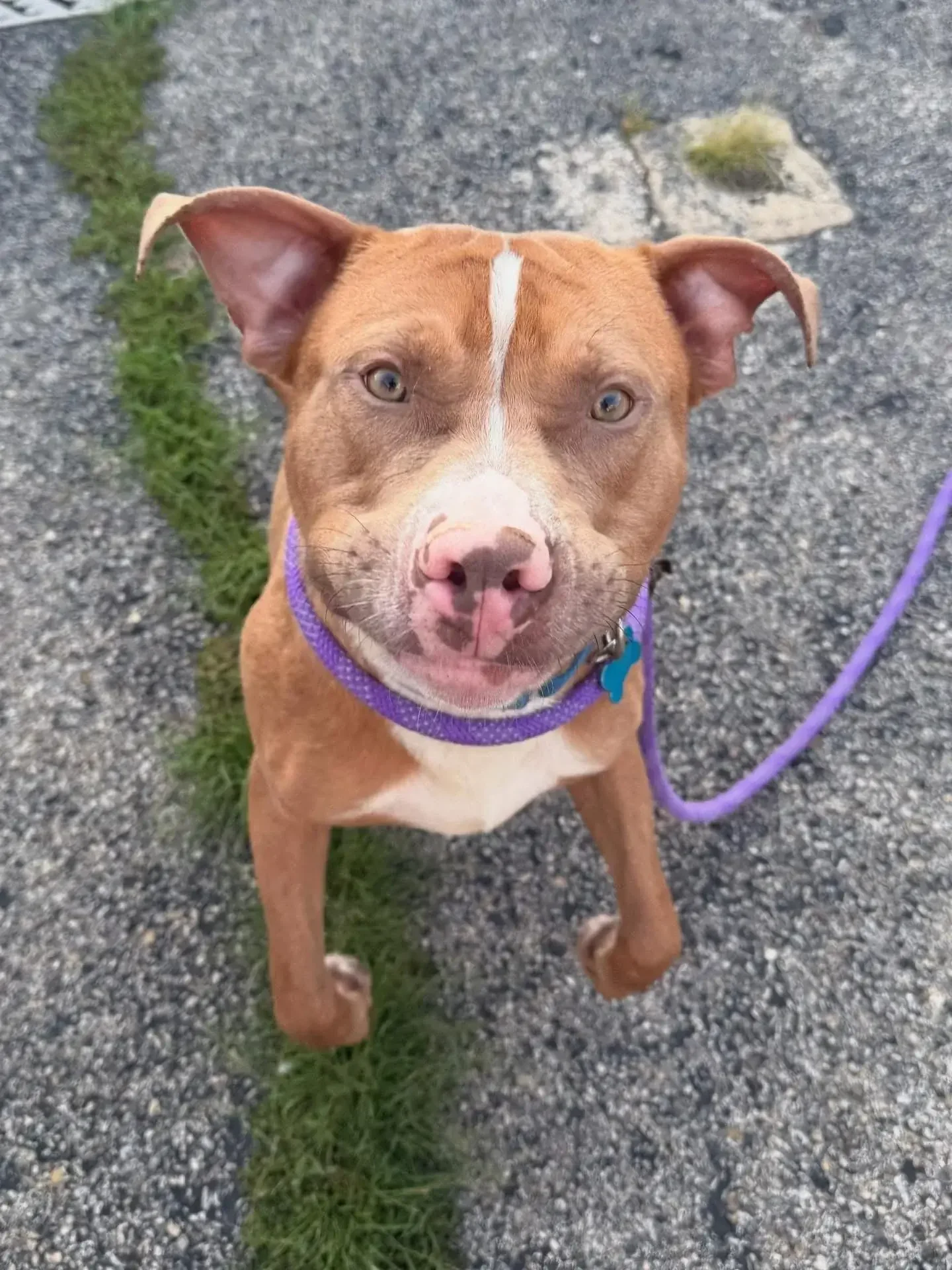
Private Dog Training in Wicker Park
In-home dog training focused on building skills, understanding behavior, and creating a better relationship between dogs and their people.
Helping dogs and humans meet in the middle
Training focuses on helping dogs and people understand each other more clearly — from learning how your dog communicates through body language and behavior, to helping your dog understand routines, expectations, and what comes next.
Sessions combine thoughtful setups, repetition, and play so learning feels approachable and progress carries over outside of training time.

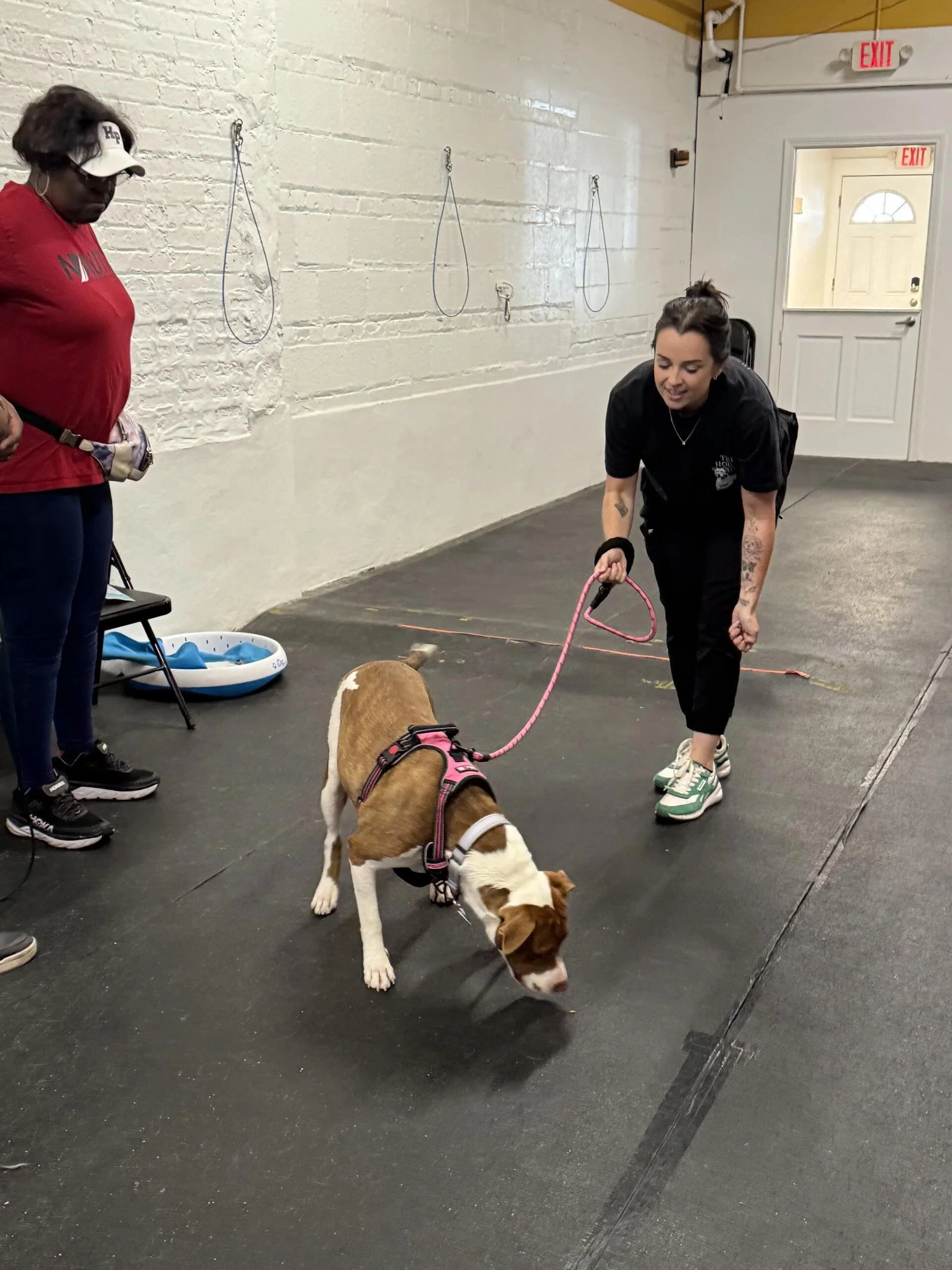
Training focus areas
$145/session, or save $50 when you purchase a 5 pack for $675.
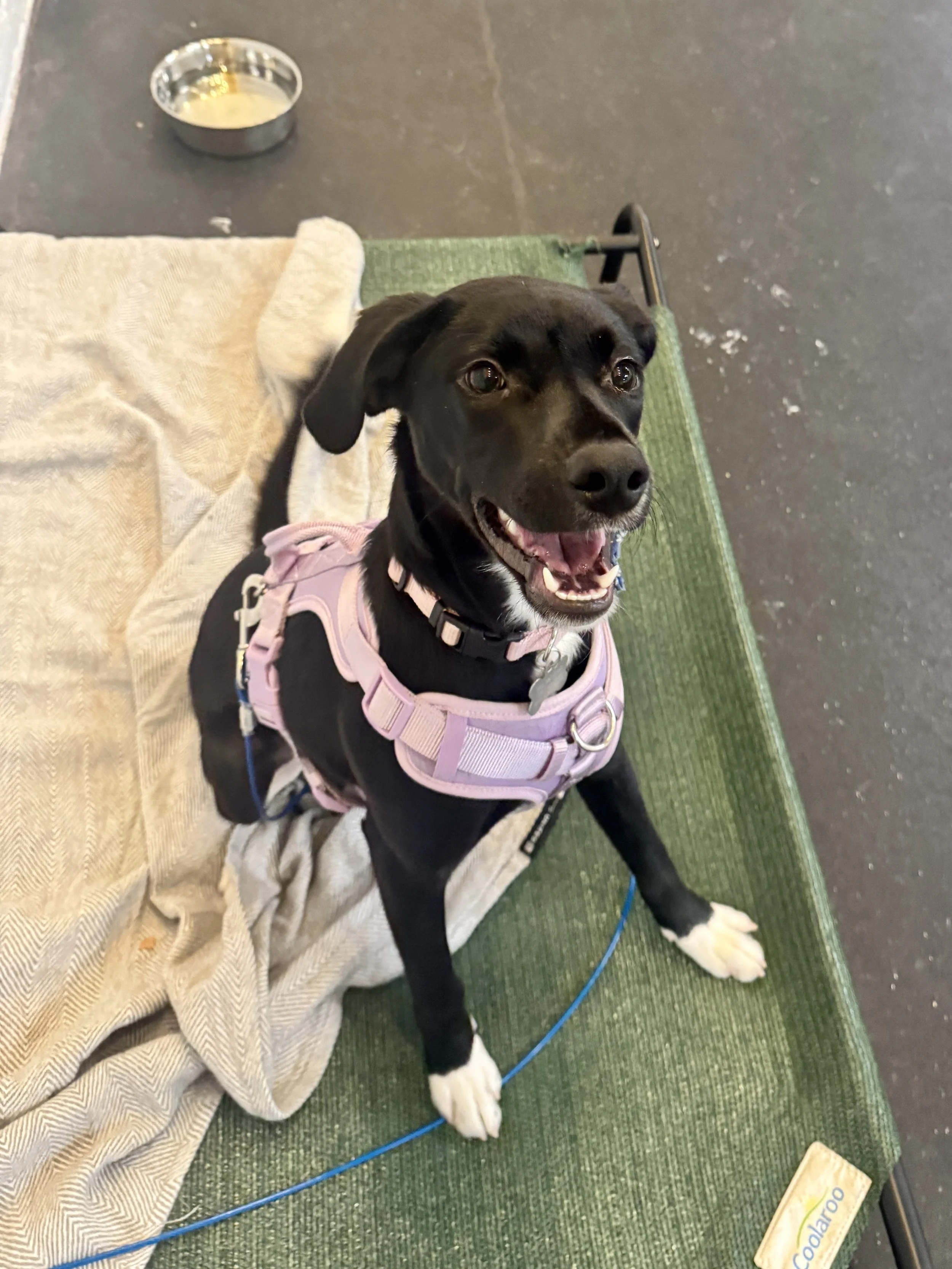
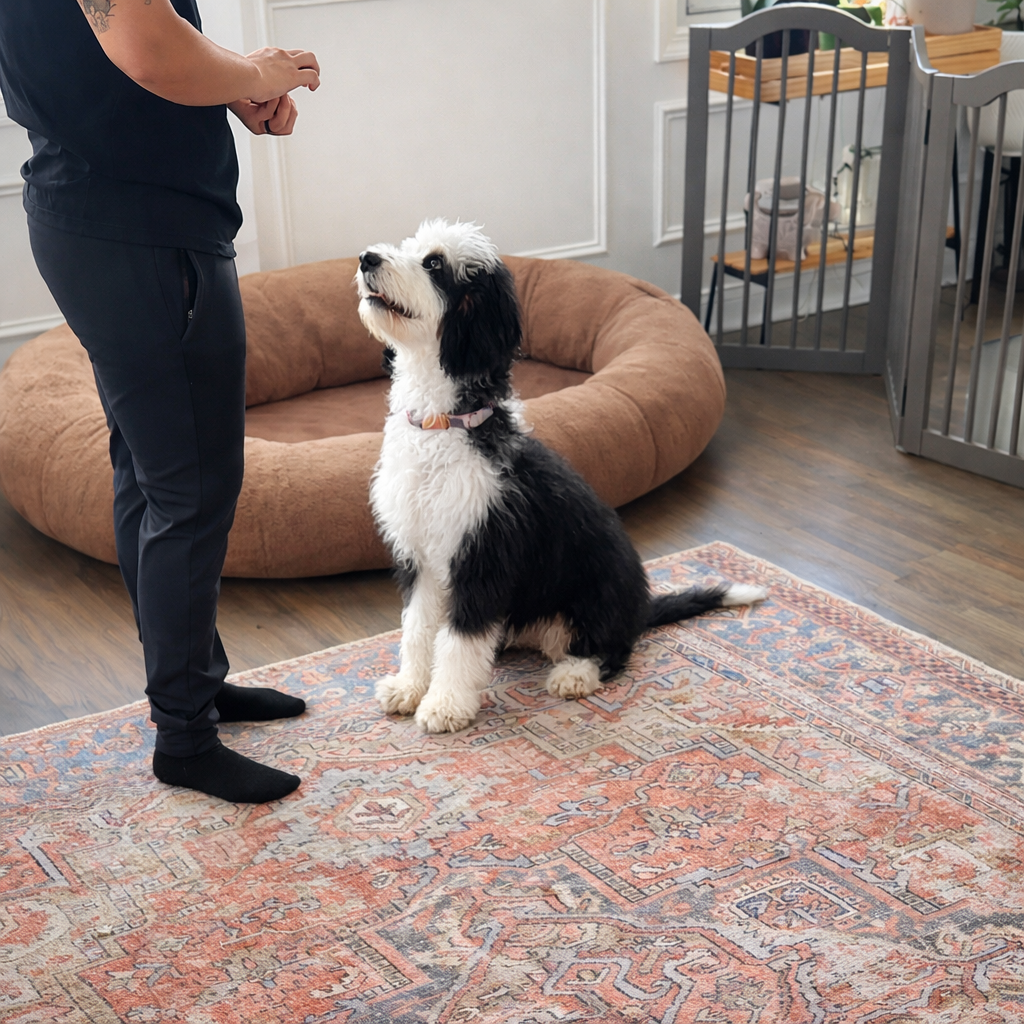
Puppy Foundations
Focused on early routines like potty training, crate comfort, and settling skills that support smoother days as your puppy grows.
Obedience & Adolescence
Build reliable everyday skills, practiced through a mix of structured setups and neighborhood walks.
Recently Adopted Dogs
Support for newly adopted dogs as they adjust to a new home, with an emphasis on structure, predictability, and helping dogs feel secure.
Reactivity & Fear Training
Sessions are designed to reduce stress, build coping skills, and help dogs move through their environment with more confidence.
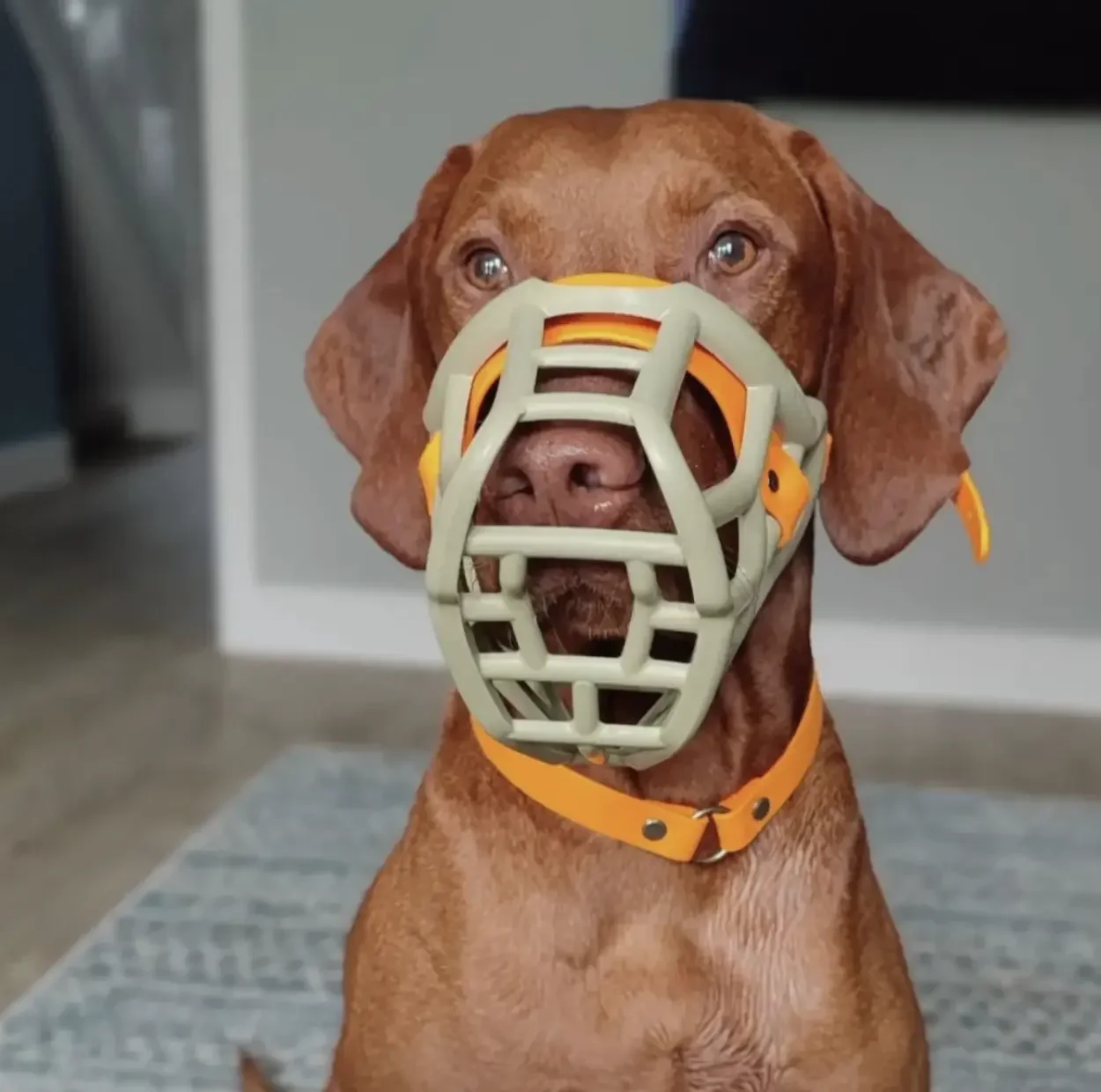
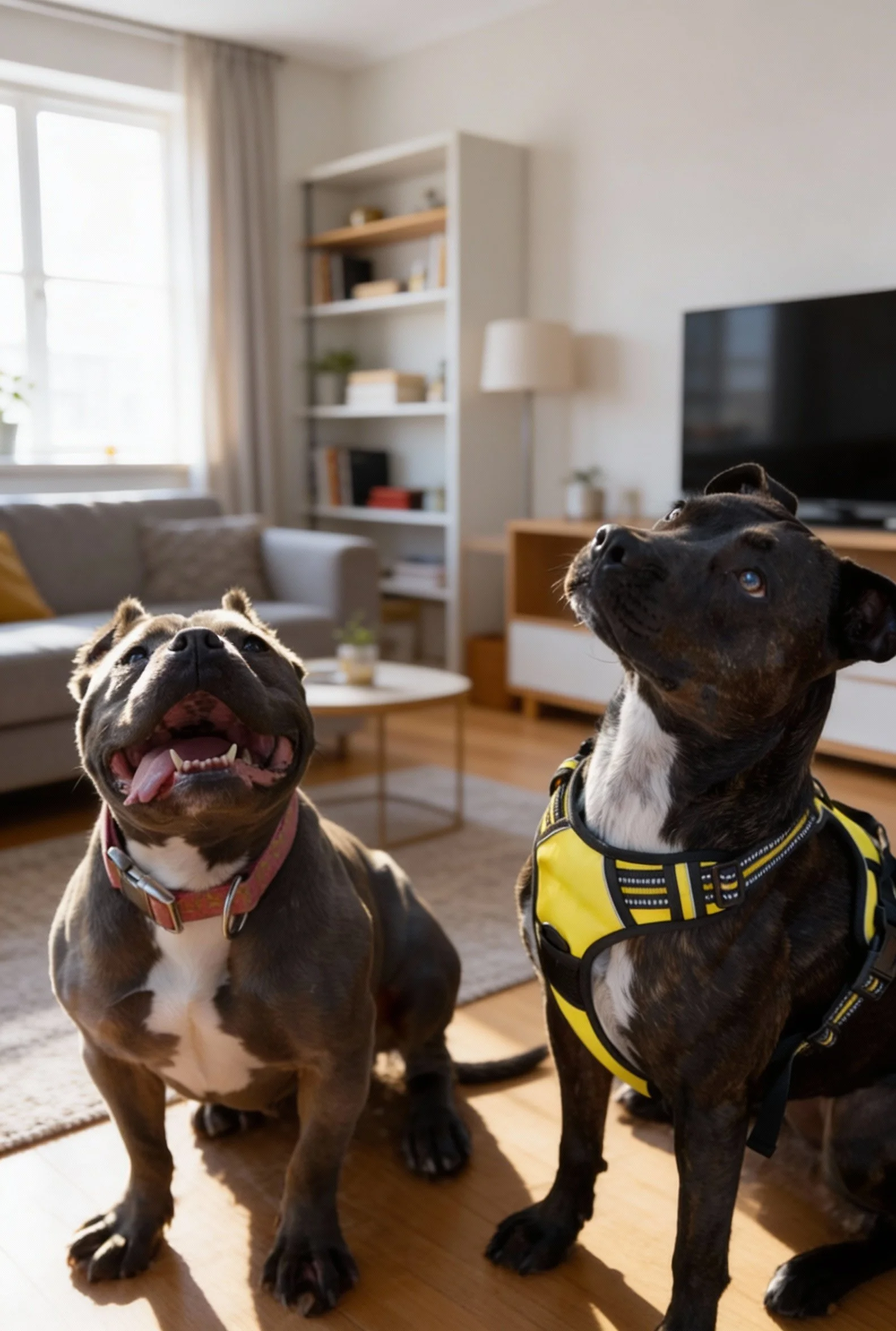
Behavior Modification
For dogs with anxiety, guarding, or aggression. Training prioritizes safety, clarity, and changing how your dog feels about challenging situations — never suppressing behavior.
Multi-Dog Households
Guidance for homes with multiple dogs, focused on routines, introductions, and structure that support positive, confident shared living.
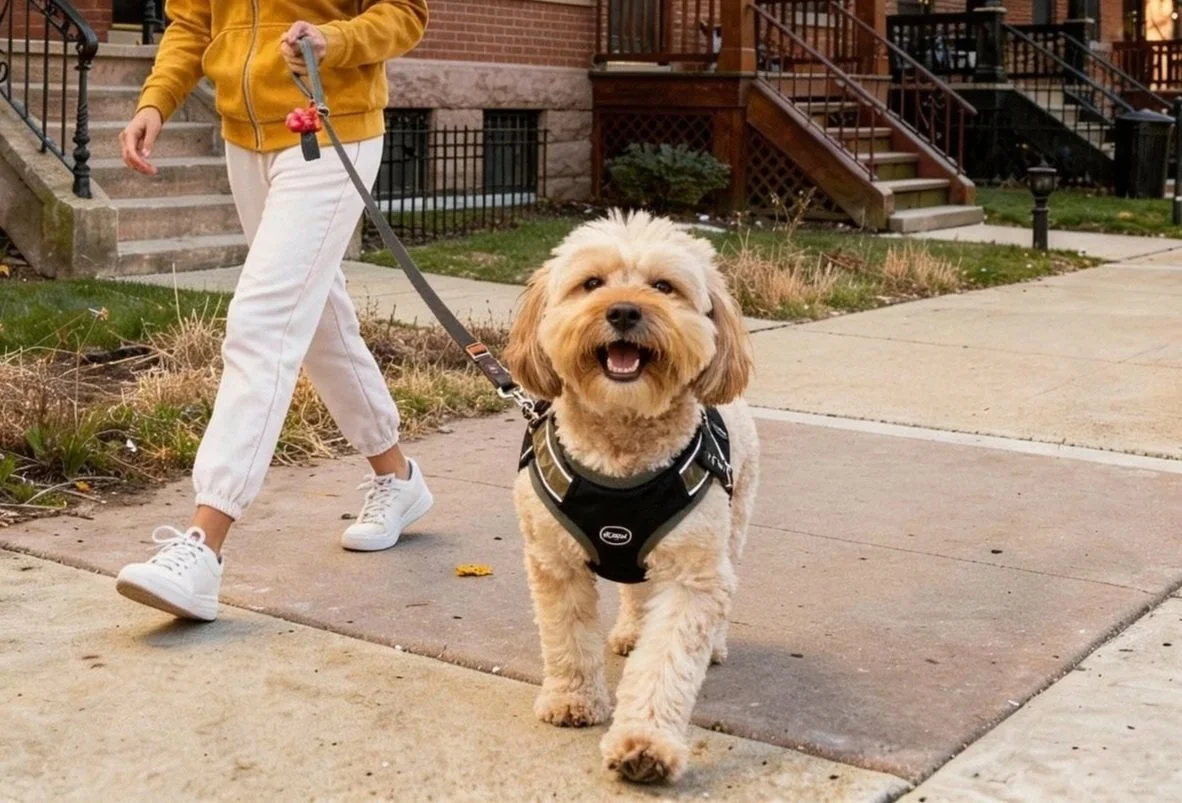
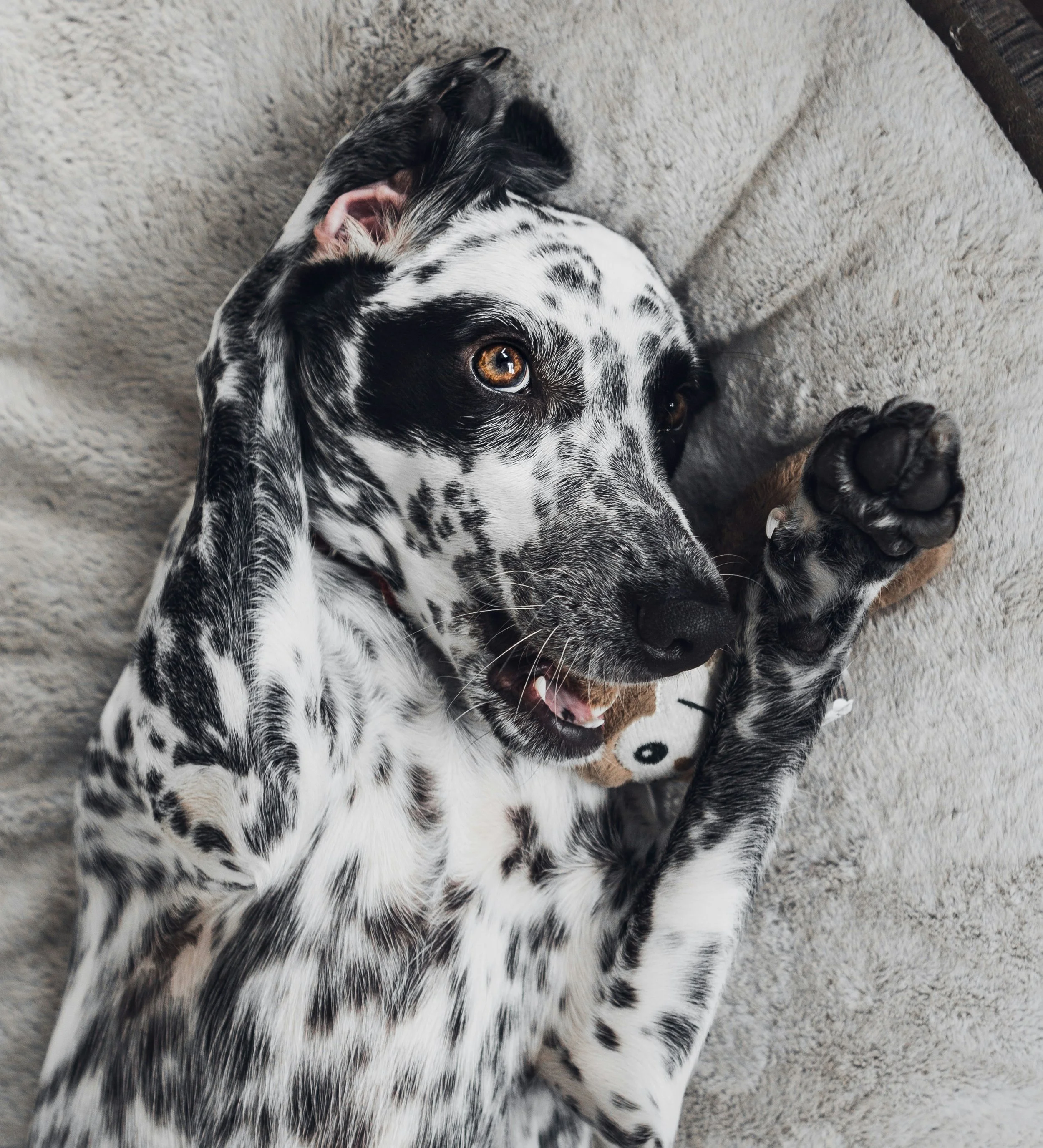
If you’re dealing with something not listed here, that’s okay! Consults are a great way to help us figure out what will help your dog.
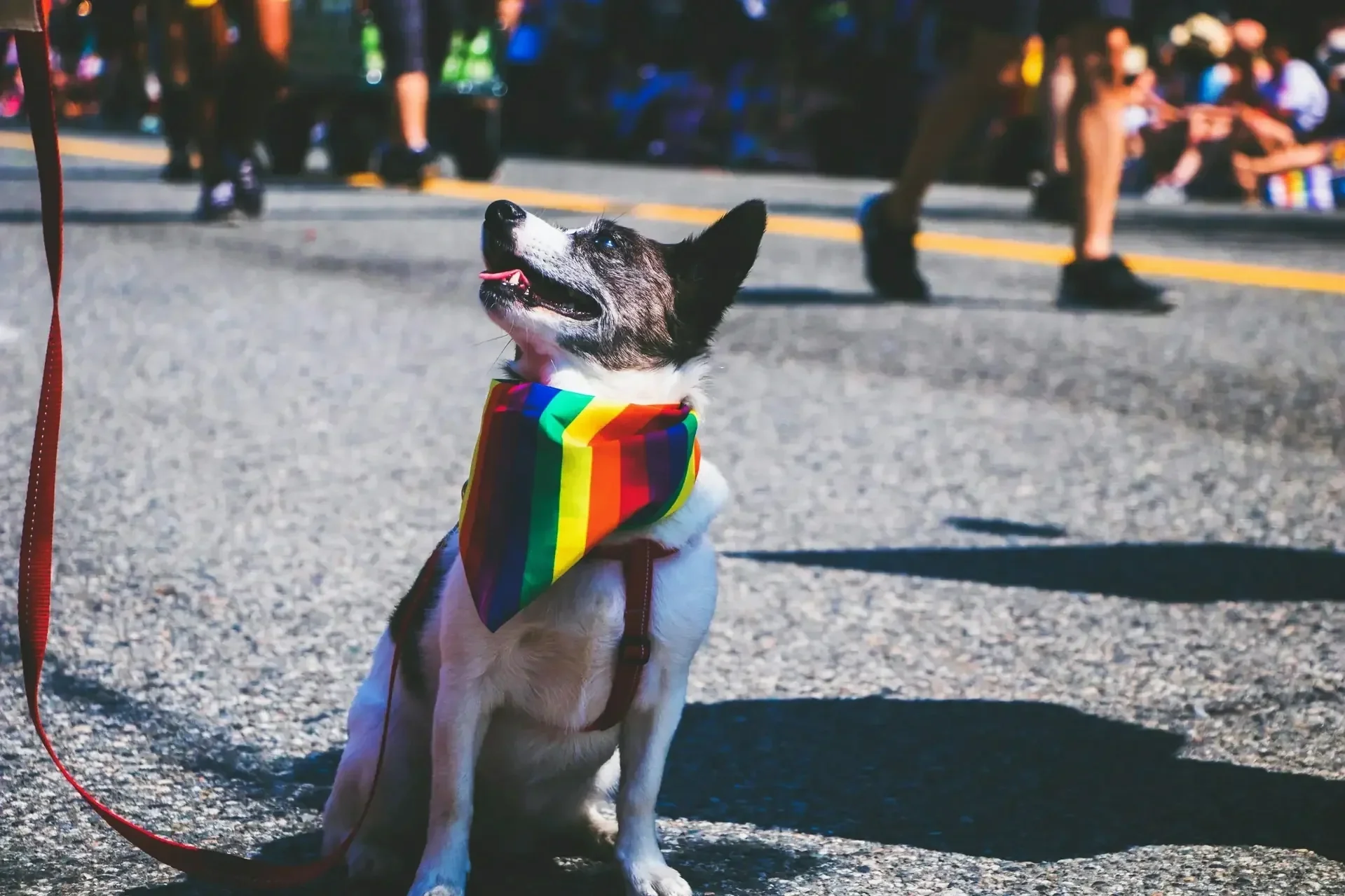
Common skills we work on in Wicker Park
Walking calmly past people, dogs, patios, and parked cars
Reducing barking at windows, hallway sounds, and street noise
Elevator, stairwell, and shared-space manners
Settling at home instead of pacing or staying on alert
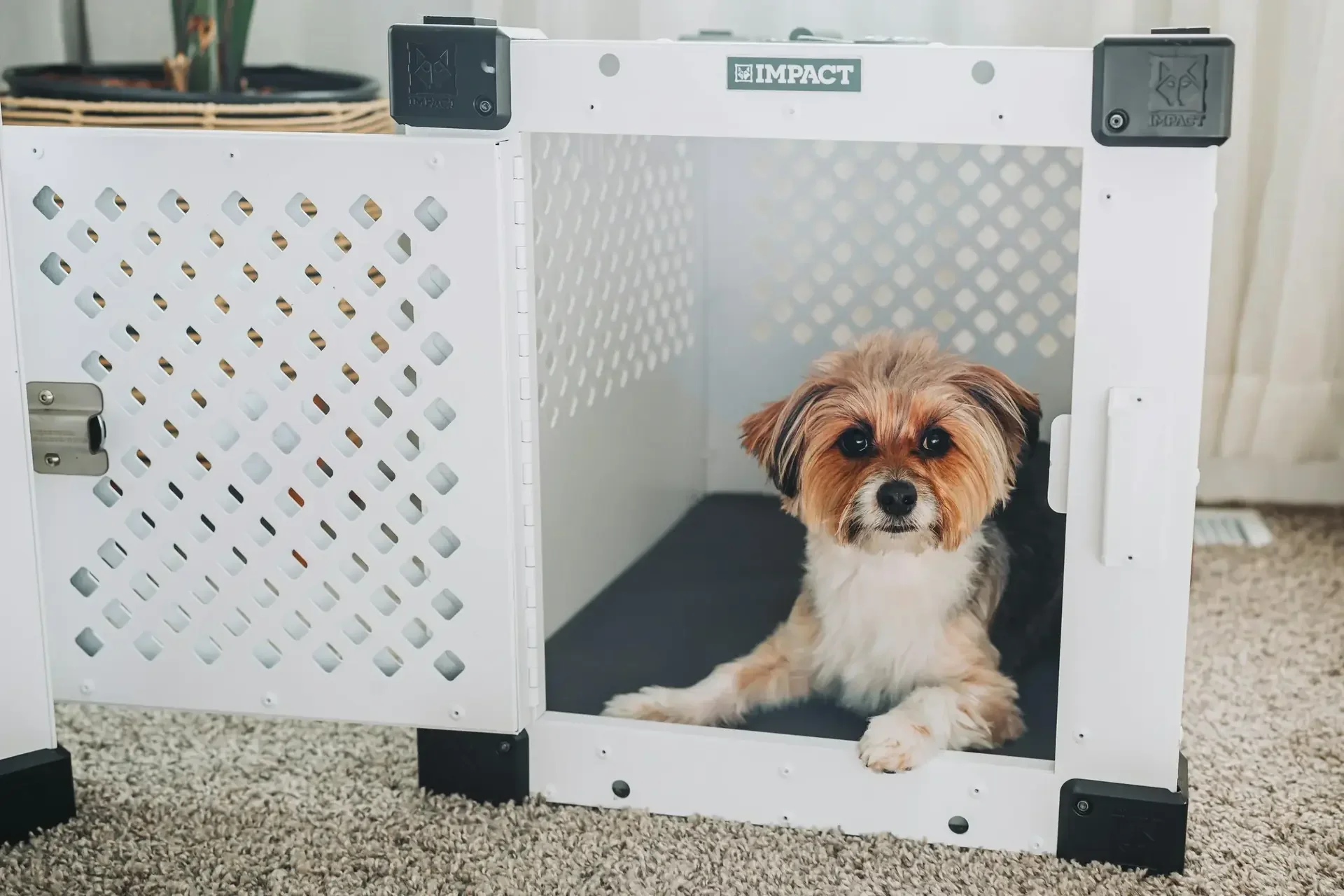
Crate and confinement comfort in shared-wall buildings
Polite behavior when guests or delivery drivers arrive
Confidence around sirens, buses, construction, and city sounds
Good reviews and better pups
-
![Chihuahua working on confidence building in Lincoln Park]()
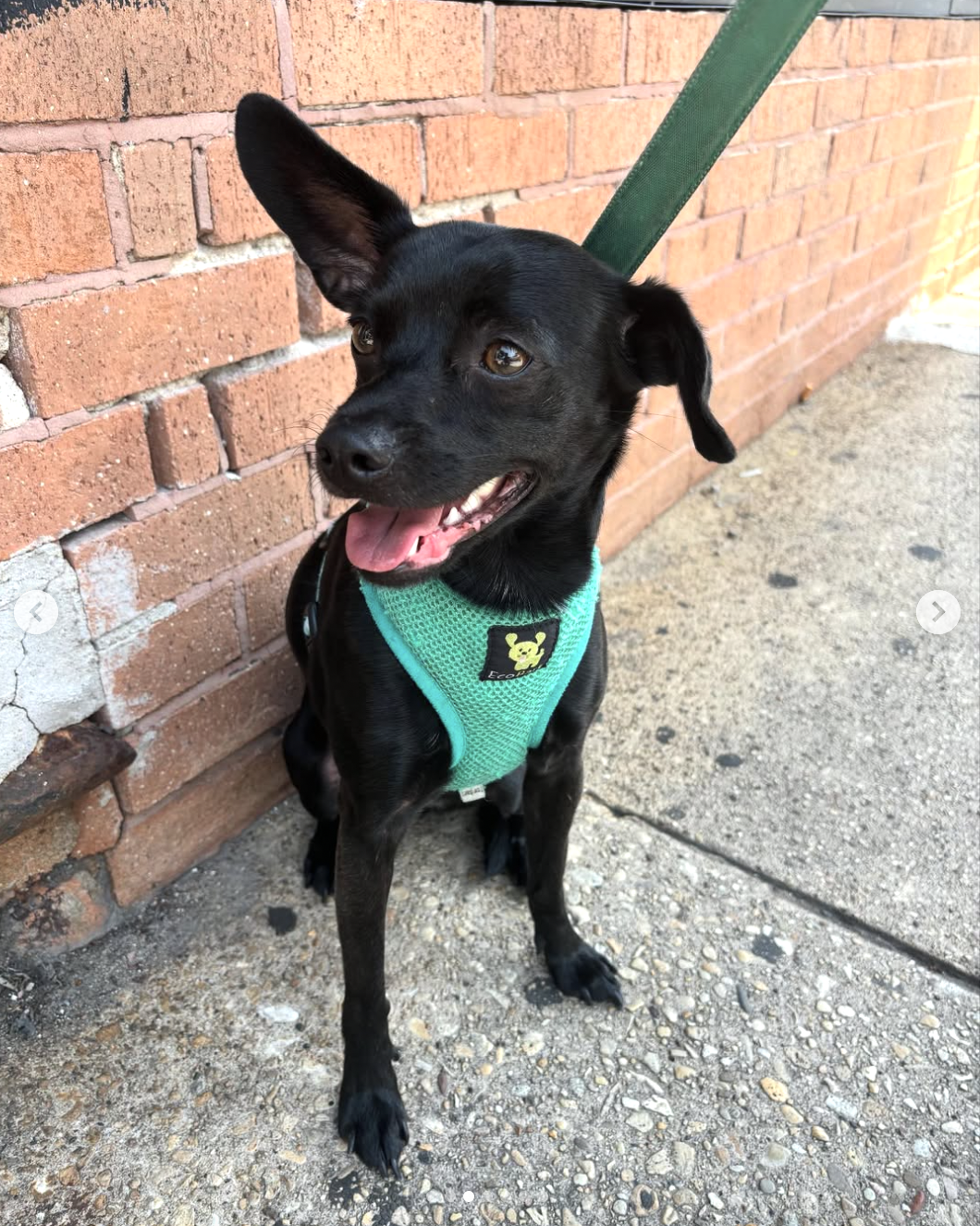
Hailey is so passionate about helping owners and their pets and she is so sweet and patient. She’s helped build confidence in my anxious little baby, and, even though she’s afraid of most people, my dog lovesss Hailey.
Megan Montgomery
-
![Mini golden doodle practicing relaxation work]()
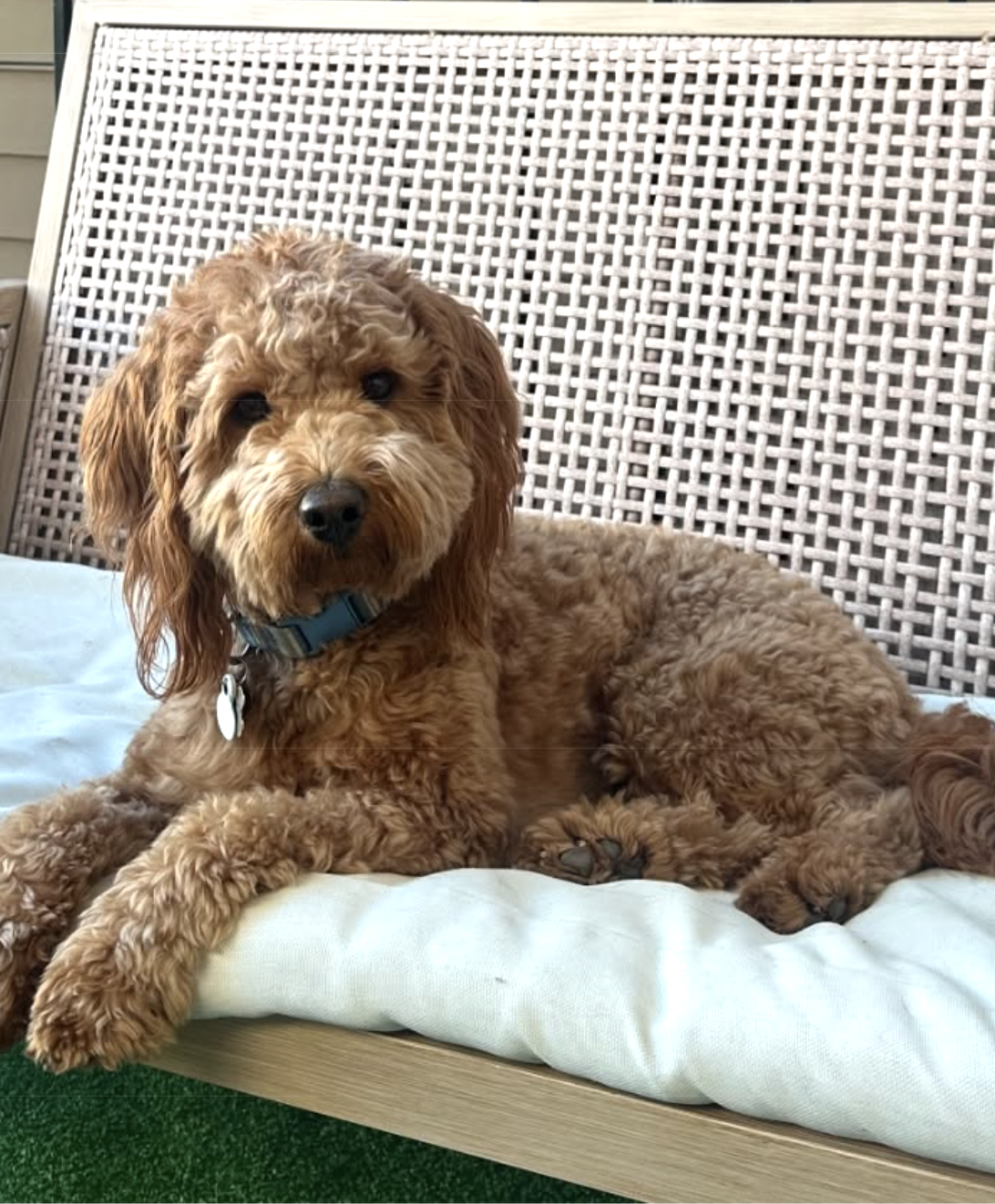
Hailey worked with my mini goldendoodle Murphy, who is the sweetest dog but had some resource guard issues that were starting to get tricky to manage. Hailey was incredibly knowledgeable and patient — not just with my dog but with me, too! I noticed a huge difference after just a few sessions. Thank you so much Hailey!!!!!
Jenna White
-
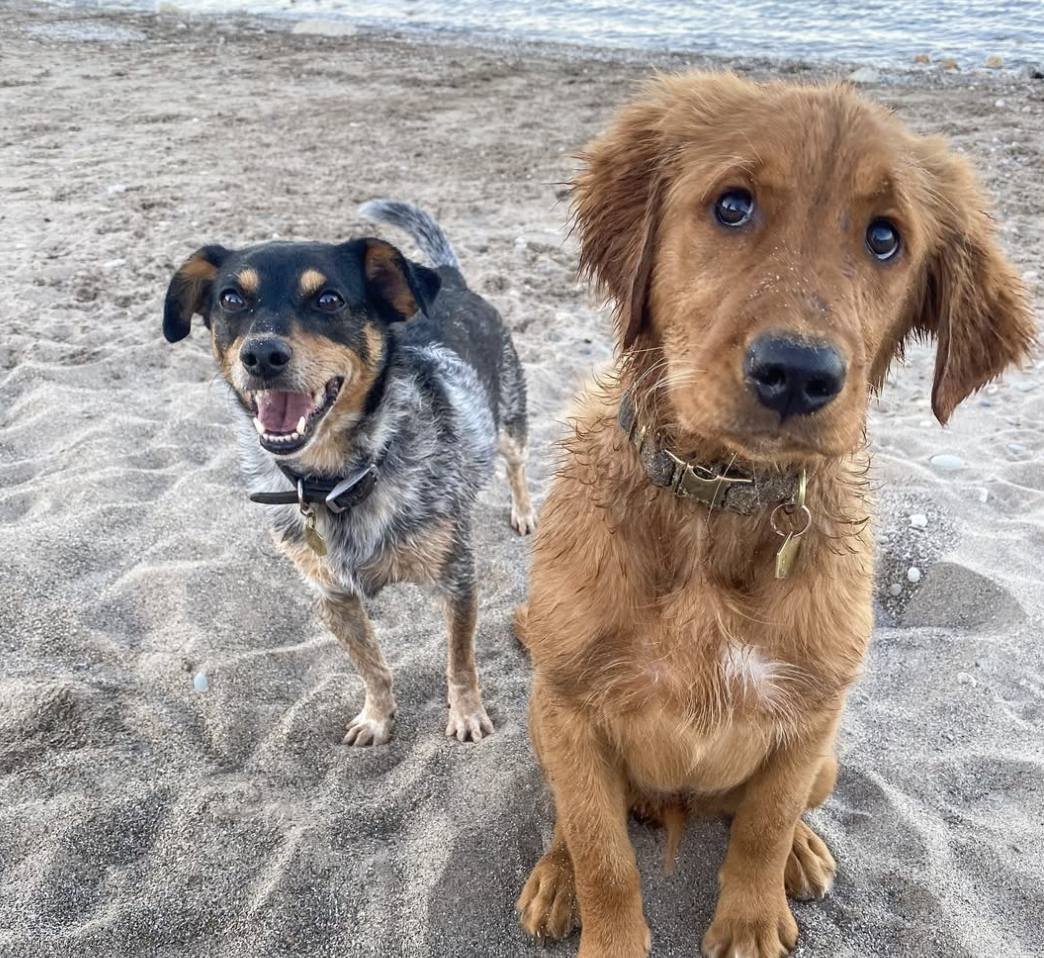
![Two dogs on a sandy beach, one sitting and the other standing, with a shoreline and water in the background.]()
Hailey is an extremely knowledgeable and compassionate dog trainer! Hailey’s best skill is her ability to meet dogs where they are at and then build deep trust to form behavioral changes. She has experience with all levels - eager puppy all the way to fearful, reactive adult.
Sarah Fitzpatrick
How Training Sessions Are Structured
1. Start with what you want help with
Training begins by talking through your goals and where your dog is starting. That might be building new skills, improving routines, or working through a specific challenge.
2. Teach skills through clear, repeatable setups
Skills are introduced using simple, structured setups that make expectations easier for dogs to understand. Patterns, repetition, and play help learning feel approachable.
3. Build consistency and carryover
As skills become clearer, we focus on consistency and practicing in more realistic situations. You’ll receive session notes and guidance after each visit to support progress between sessions.
Frequently asked
-
Yes! I use positive reinforcement training methods. This means rewarding desired behaviors rather than using corrections, punishment, or fear-based techniques. Positive reinforcement builds trust and creates lasting behavior change.
-
Training support includes puppy foundations, potty and crate training, leash skills, everyday manners, newly adopted dogs, and behavior challenges like reactivity or fear. Sessions are tailored to what you and your dog need most.
-
Progress shows up as clearer communication, better decision-making, and quicker recovery — not instant or perfect behavior. Training focuses on building skills gradually and adjusting as your dog becomes more confident.
-
It can be either, or a mix of both. Some clients want help building practical skills, while others need support around behavior. Training is adjusted based on the goal rather than forcing a single approach.
-
The number of sessions depends on the dog, the goal, and how long the behavior or skill has been in place. Some dogs benefit from a short series, while others need ongoing support over time.