
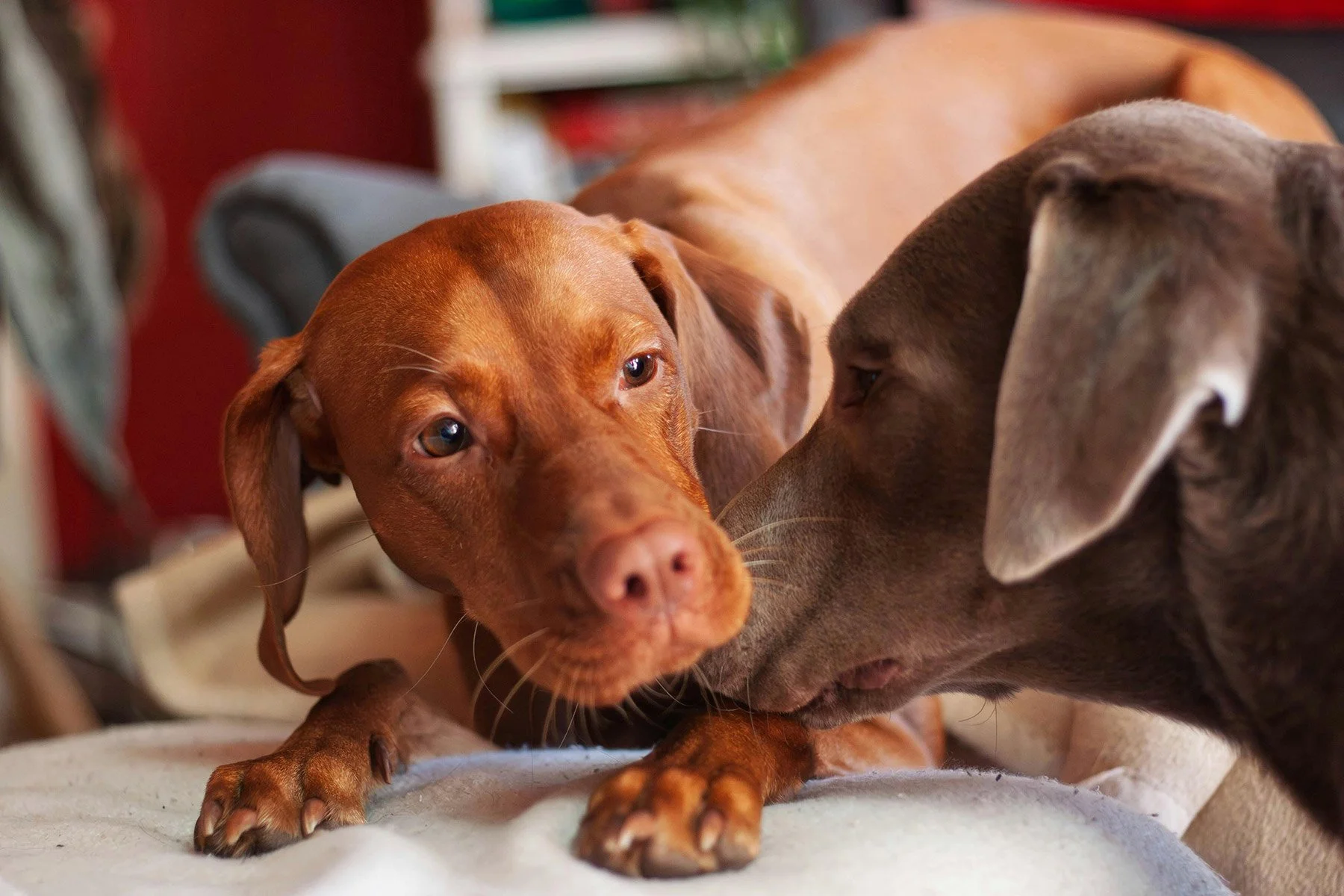
Living with more than one dog can be incredibly rewarding and sometimes, unexpectedly complicated.
If you’re dealing with tension between dogs, constant chaos, or behaviors that only show up when your dogs are together, multi-dog household training is designed specifically for that dynamic—not just individual obedience skills.
I work with the relationship between your dogs, the patterns that have developed in your home, and the way daily life is structured when more than one dog is involved.
Multi-Dog Household Training in Chicago
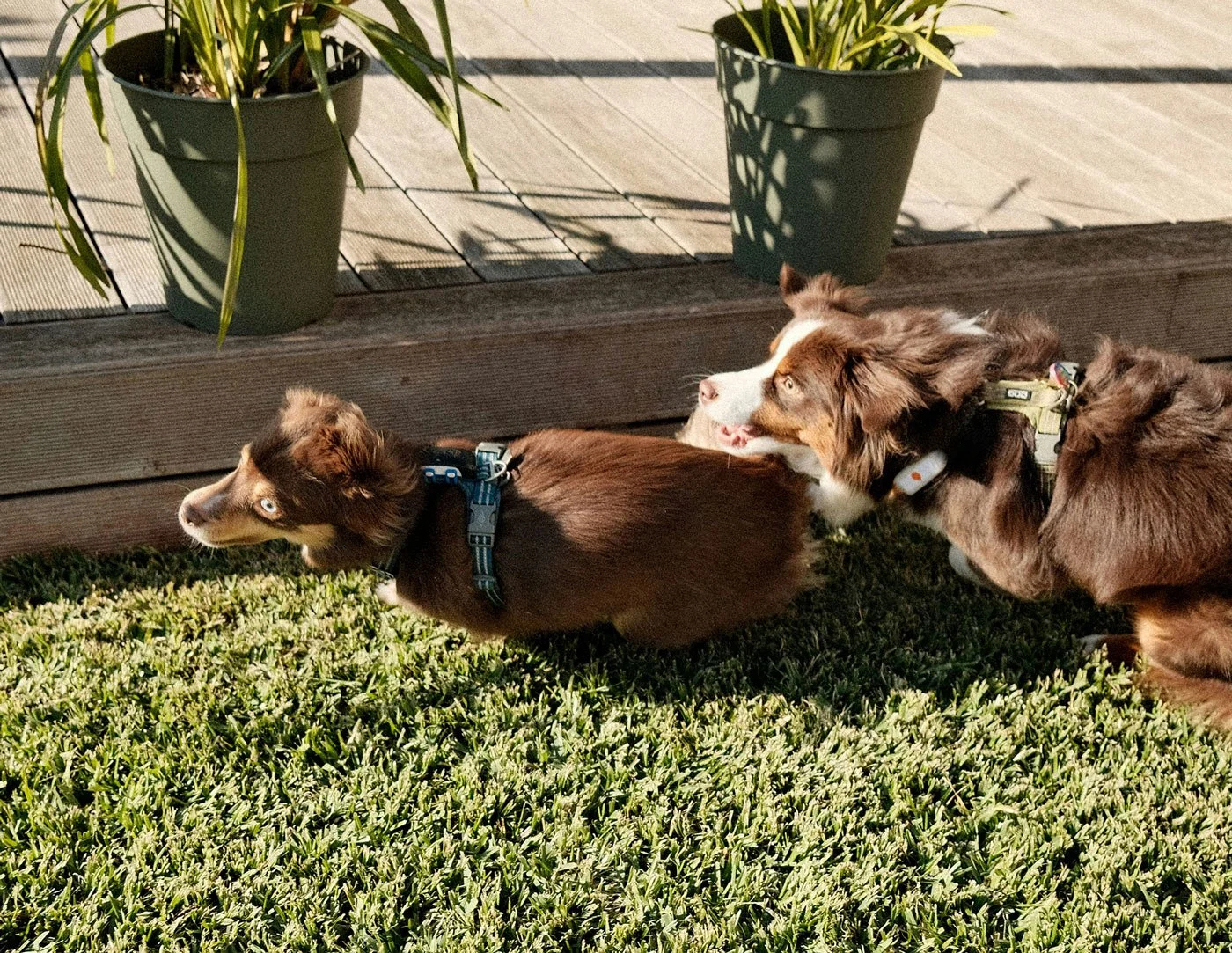
When Having Multiple Dogs Feels Harder Than Expected
Many multi-dog households reach out because things feel off, even if no one dog seems “bad.”
You might be noticing:
Tension, scuffles, or full fights between dogs
One dog bullying, guarding, or controlling space
Dogs who are fine alone but struggle together
Escalation around food, toys, beds, or attention
Constant management just to keep the peace
A feeling of walking on eggshells in your own home
These issues are rarely about obedience alone. They’re usually about stress, unclear boundaries, unmet needs, and learned patterns between dogs. If you’re struggling…
What Multi-Dog Household Training Focuses On
Respecting Shared Resources without Tension
Food, toys, beds, doorways, and people can all become stress points in multi-dog homes. Training addresses how dogs feel about sharing space and resources, and helps create clearer, calmer systems that reduce guarding and competition.
Teaching Dogs to Settle Around Each Other
Many dogs can behave perfectly on their own, but struggle when another dog is present. Sessions focus on helping dogs relax, coexist, and disengage without constant supervision or correction.
Reducing Conflict Before It Escalates
Rather than waiting for fights or scuffles to happen, training focuses on the early signals that lead to conflict. This includes changes to routines, space use, and expectations that help dogs disengage and decompress before things boil over.
Understanding the Dynamic
Every multi-dog household has its own rhythm and its own pressure points. We look at how your dogs interact, where tension shows up, and how each dog is experiencing the other so training targets the relationship, not just individual behaviors.
Giving You Clear, Usable Strategies
A big part of this work is supporting you. Training includes realistic management strategies for high-stress moments, clear guidance on when to step in, and adjustments that make daily life feel safer and more predictable.
Supporting Each Dog as an Individual
Multi-dog training doesn’t mean treating dogs like a unit. Dogs may be worked individually and together so each dog’s needs, stress levels, and learning pace are respected without adding pressure to the group dynamic.
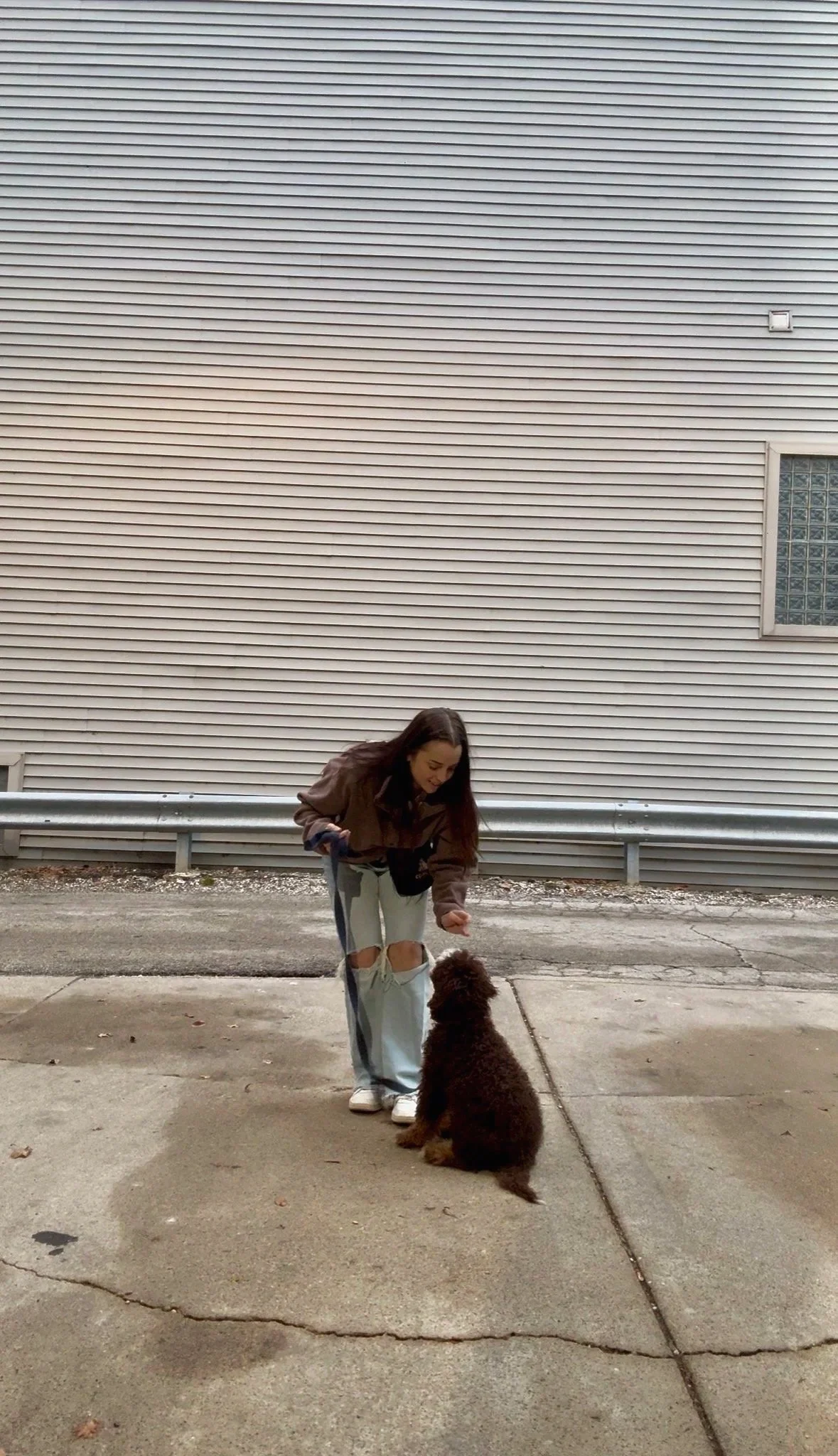
Focused on Safety and Clarity
Multi-dog household training focuses on supporting each dog as an individual while improving how they live together.
Rather than treating dogs as a single group, training looks at each dog’s needs, stress levels, and communication style. This helps create clearer routines and expectations that allow dogs to feel more comfortable sharing space, resources, and attention.
By prioritizing emotional well-being alongside thoughtful management, the goal is to reduce stress and support calmer, safer interactions so daily life feels more predictable and manageable for everyone involved.
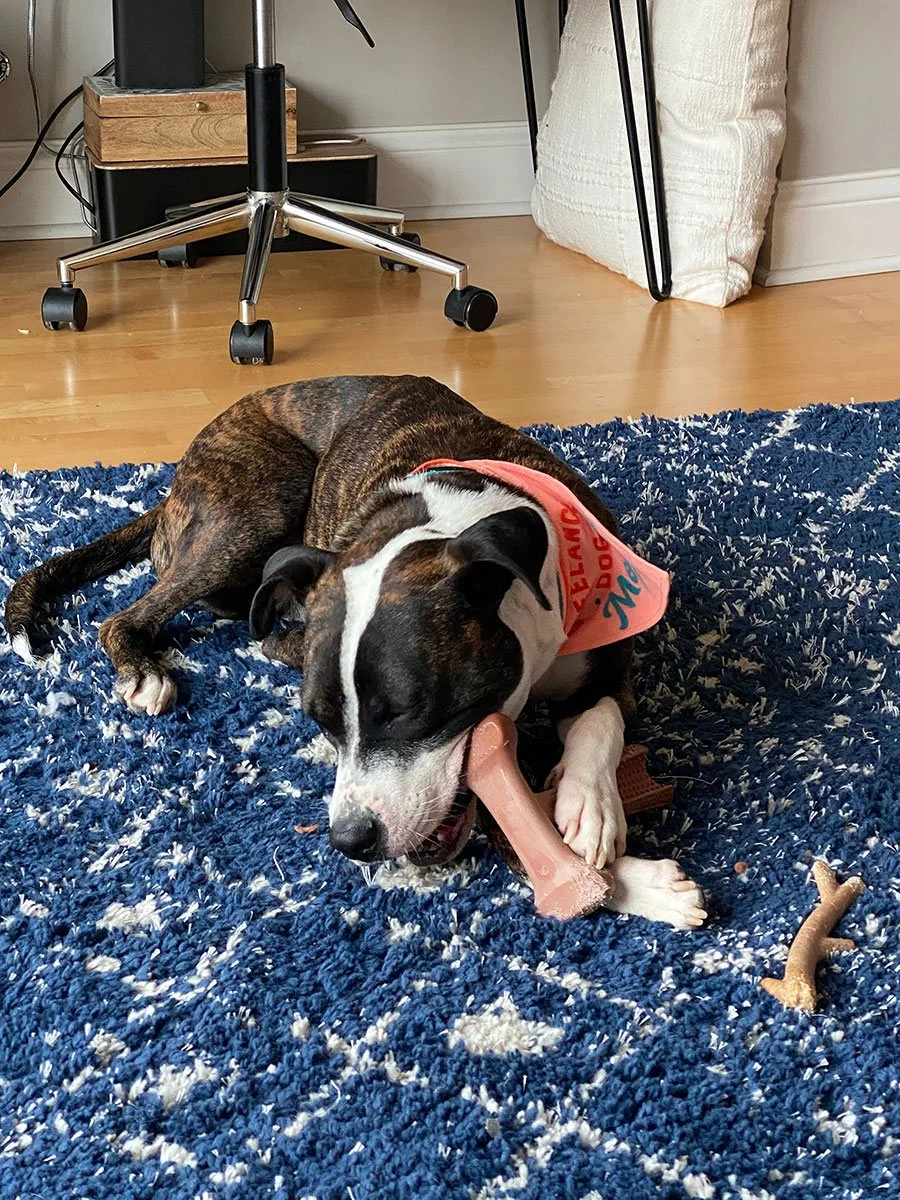
How Training Supports Day-to-Day Life With Multiple Dogs
The most meaningful changes in multi-dog households usually happen outside of formal training sessions.
Training is built around real routines: Feeding time, doorways, walks, downtime, guests, and the everyday moments where tension tends to surface.
You’ll learn how to recognize early signs of stress, step in calmly before things escalate, and make small adjustments that reduce pressure rather than add to it.
This approach helps you move away from constant micromanagement and toward a household that feels more stable, predictable, and easier to live in—for both you and your dogs.
Want to talk it through?
Multi-dog dynamics can be complicated, and it’s normal to feel unsure about what to do next.
If you want a second set of eyes on what’s happening in your home, we can talk through your situation and decide together what kind of support makes the most sense.
Words from my clients
-
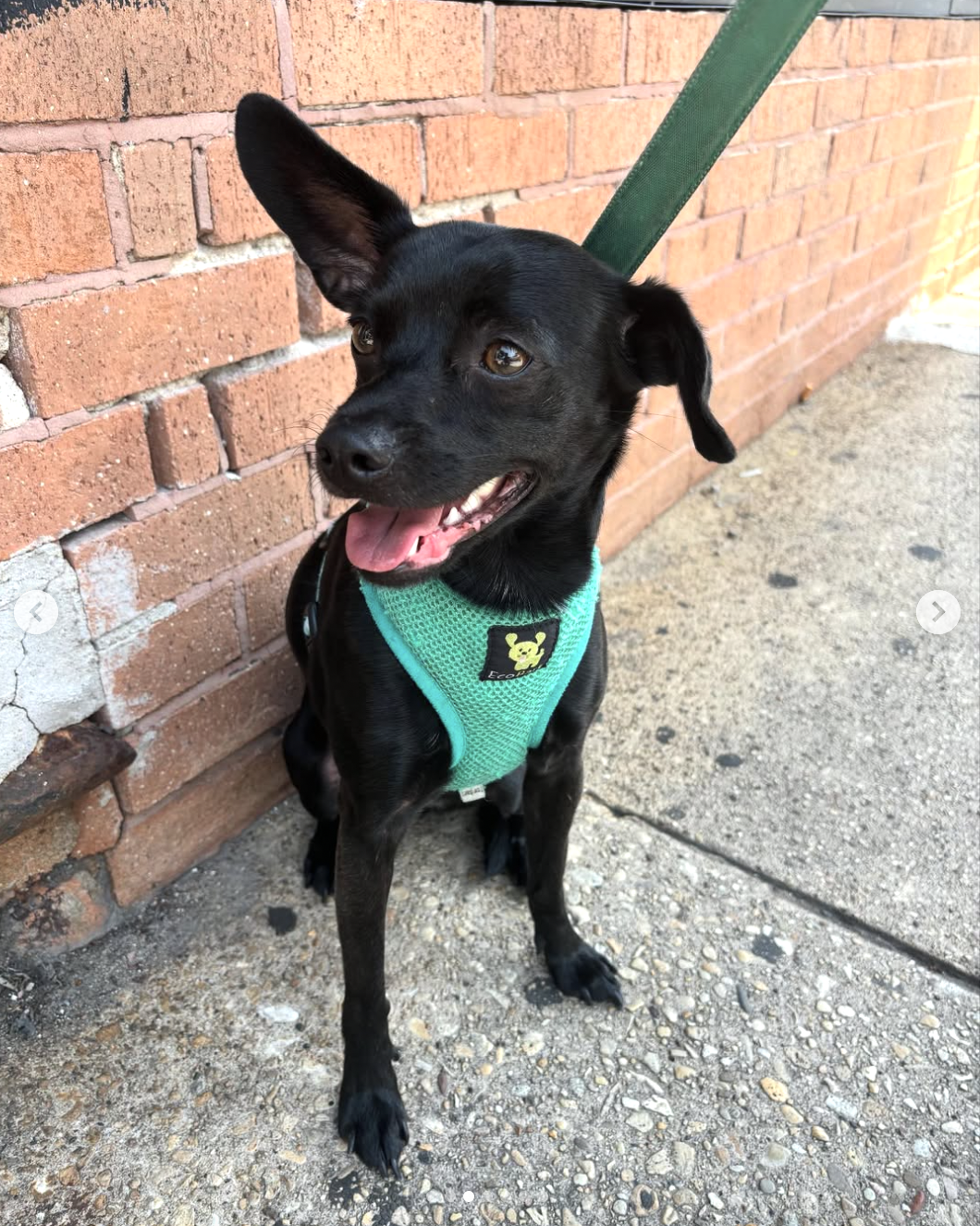
![Chihuahua working on confidence building in Lincoln Park]()
Hailey is so passionate about helping owners and their pets and she is so sweet and patient. She’s helped build confidence in my anxious little baby, and, even though she’s afraid of most people, my dog lovesss Hailey.
Megan Montgomery
-
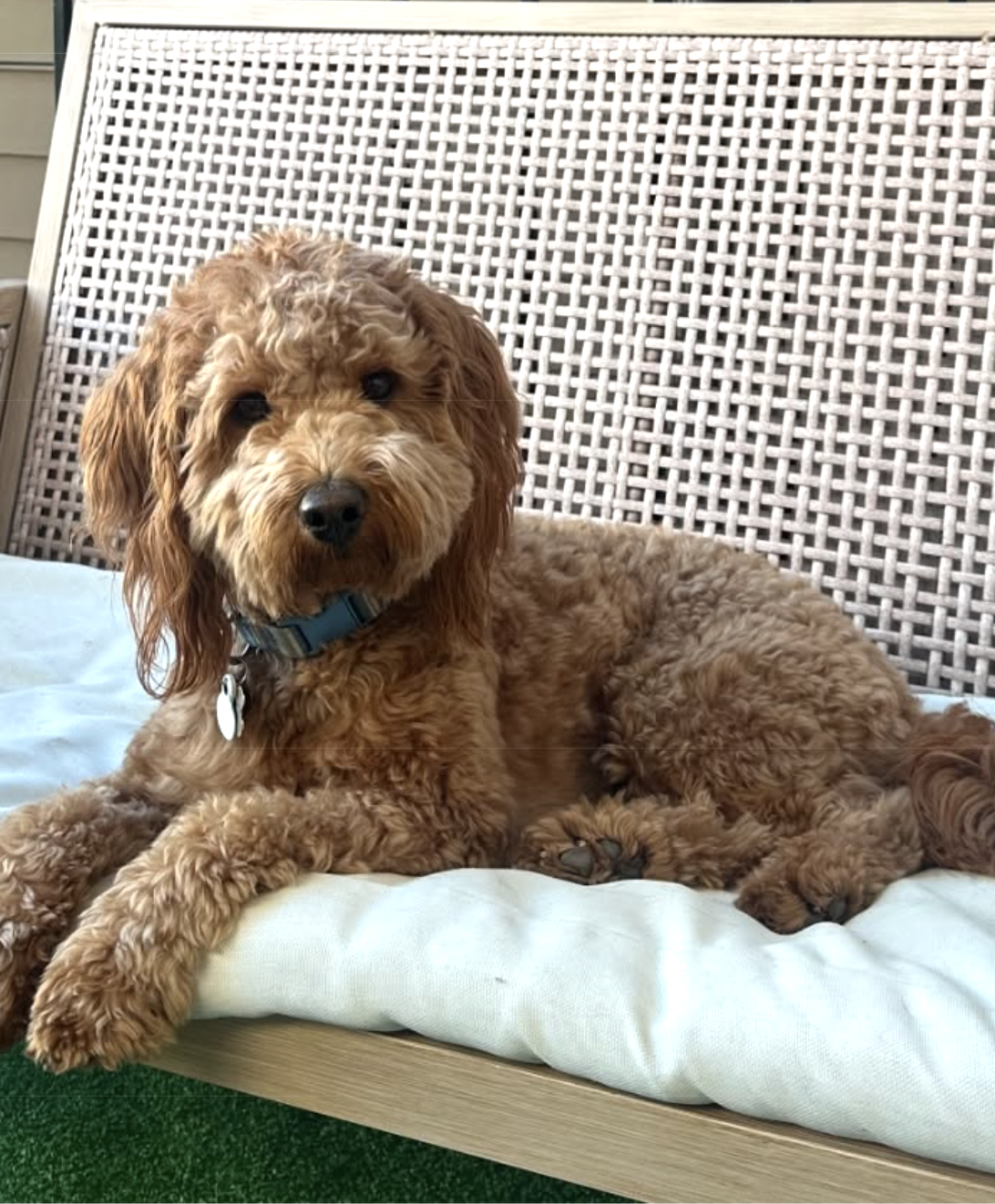
![Mini golden doodle practicing relaxation work]()
Hailey worked with my mini goldendoodle Murphy, who is the sweetest dog but had some resource guard issues that were starting to get tricky to manage. Hailey was incredibly knowledgeable and patient — not just with my dog but with me, too! I noticed a huge difference after just a few sessions. Thank you so much Hailey!!!!!
Jenna White
-
![]()
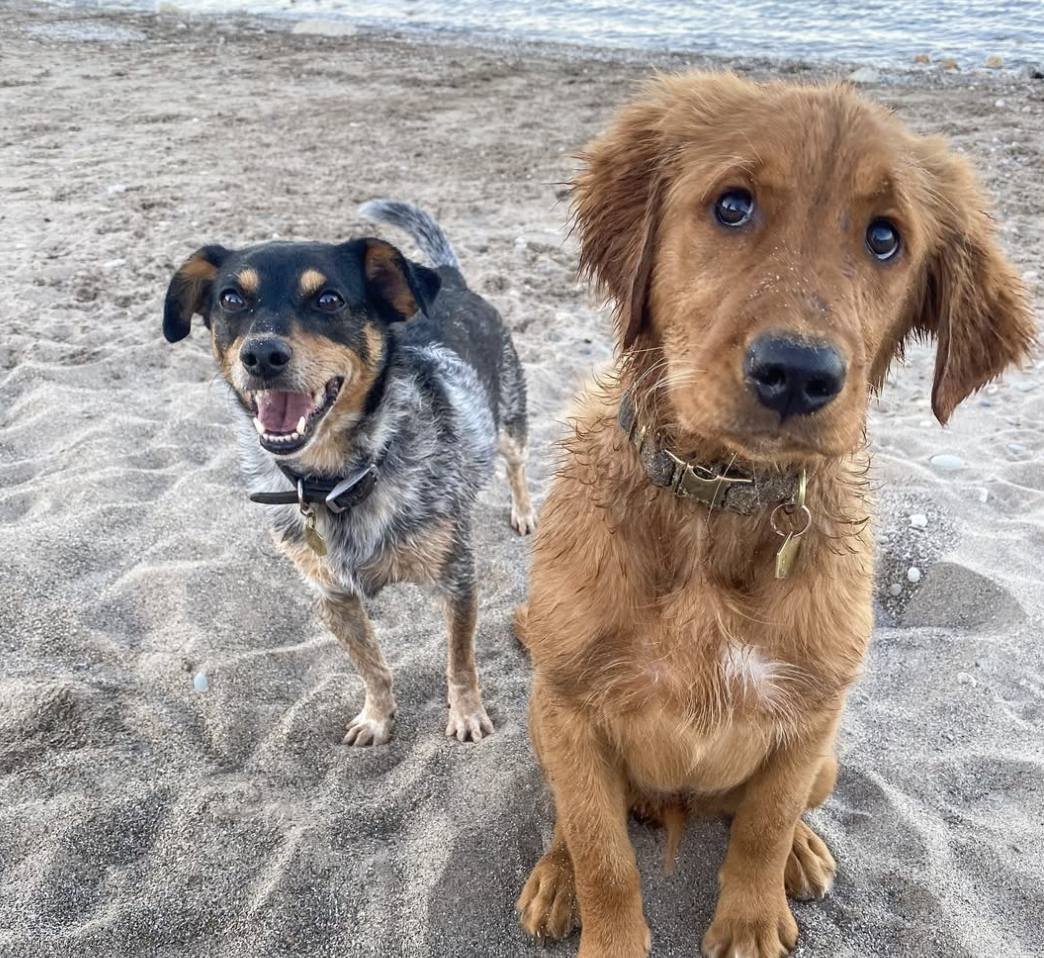
Hailey is an extremely knowledgeable and compassionate dog trainer! Hailey’s best skill is her ability to meet dogs where they are at and then build deep trust to form behavioral changes. She has experience with all levels - eager puppy all the way to fearful, reactive adult.
Sarah Fitzpatrick
Blogs You Might Like
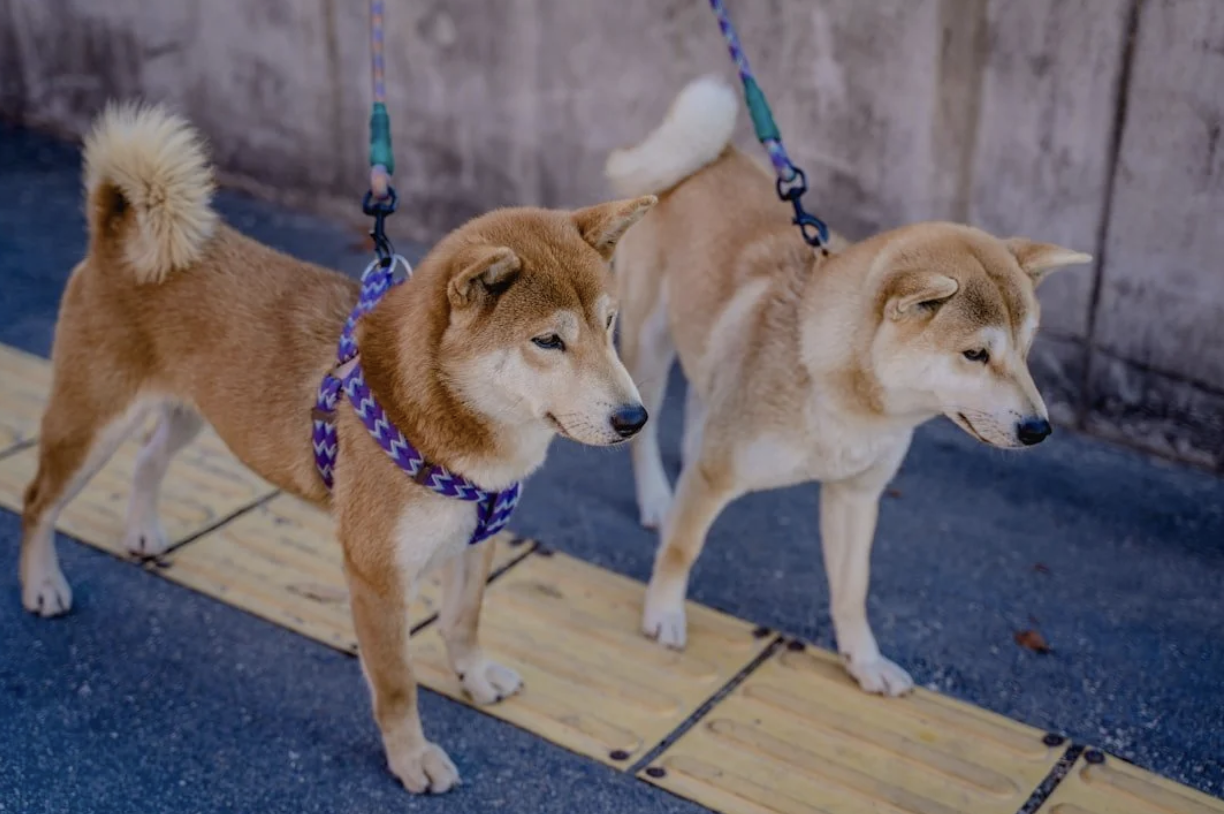
How to Introduce Dogs When One is Reactive
Learn effective strategies for reactive dog introduction. Discover step-by-step tips to peacefully introduce your reactive dog to another dog and manage their reactivity.

How to Help Dogs Get Along Again After a Fight
When your dogs fight, it can feel like your peaceful home just imploded. Here’s how to move forward safely, step-by-step.
Dog Training in High-Rises: Solving Elevator and Hallway Challenges
Learn how to how to handle elevator rides, narrow hallways, and surprise encounters.
FAQs
-
This type of training is designed for homes where the dynamic between dogs is the main challenge.
That might look like tension, frequent scuffles, resource guarding, bullying, one dog constantly stressing the other out, or dogs who behave well individually but struggle together. It can also be helpful when things haven’t escalated to fights—but you can feel that something isn’t quite right.
-
No. In fact, it’s often most effective before things reach that point.
Many people reach out because they notice mounting tension, avoidance, hovering, or changes in behavior that feel concerning. Addressing those patterns early can prevent bigger issues down the line.
-
Not necessarily!
Some work happens with dogs together, and some happens individually. That flexibility is intentional. Working dogs separately can lower pressure, build skills more clearly, and make it easier to bring those skills back into shared spaces without escalation.
-
This type of training goes beyond obedience.
While basic skills can be part of the process, multi-dog household training focuses more on communication, stress levels, boundaries, routines, and how dogs share space and resources. The goal is coexistence that feels calmer and safer, not just dogs who “listen” on cue.
-
It’s very common for one dog to appear like the “issue,” but dynamics are rarely that simple.
Training looks at how both dogs are contributing to what’s happening—often unintentionally—and how changes to routines, management, and expectations can shift the overall picture. This approach avoids blame and leads to more lasting change.
-
The goal is to reduce how much active management you need to do, not increase it.
You’ll learn when and how to step in, but also how to set things up so tension is less likely in the first place. Over time, many households find they can relax more and intervene less because the environment and routines are clearer.
-
Safety always comes first.
During a consultation, we’ll talk honestly about your dogs’ history and what’s appropriate. In some cases, training involves strict management and separation at first. If a situation would be better supported with a different approach or referral, I’ll be upfront about that.