
Behavior Modification Training in Chicago
For dogs with tough histories, and behaviors that go beyond obedience and reactivity.
Behavior Isn’t Who Your Dog Is, It’s How They’re Feeling
Every dog’s behavior tells a story. Whether it’s guarding, growling, or shutting down, these challenges aren’t a life sentence. They’re a sign your dog needs help feeling safe. My behavior modification training in Chicago focuses on rebuilding trust, teaching emotional control, and giving both of you the tools to handle the world with confidence.

Behavioral Services
The following are often a little more than what most owners are prepared for. I’m here to help.
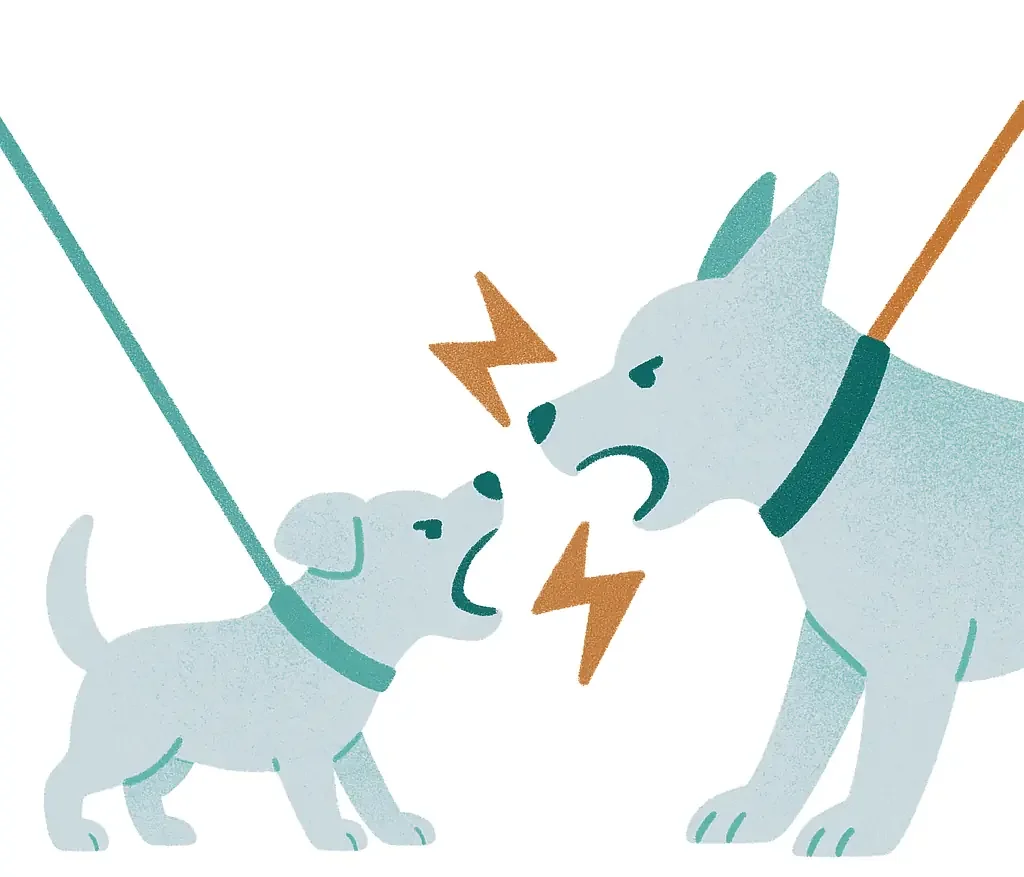
Aggression towards unfamiliar dogs/animals
Your dog shows aggression because they feel threatened or unsure around other dogs or animals.
What it looks like: stiff posture, staring, growling, snapping, or lunging during greetings or when others get too close.
How we train: Working at safe distances to build calm behavior and positive associations.
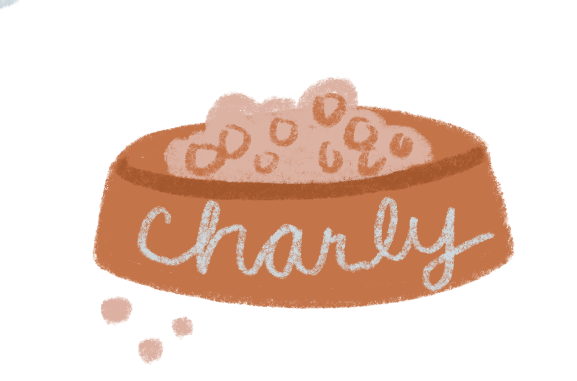
Resource guarding (food, toys, spaces, or people)
Your dog guards what they value because they fear losing it.
What it looks like: stiffening, growling, snapping, or hovering over food, toys, or resting spots.
How we train: gradual desensitization and counter-conditioning so your dog learns people approaching isn’t a threat. The goal is trust, not tension.
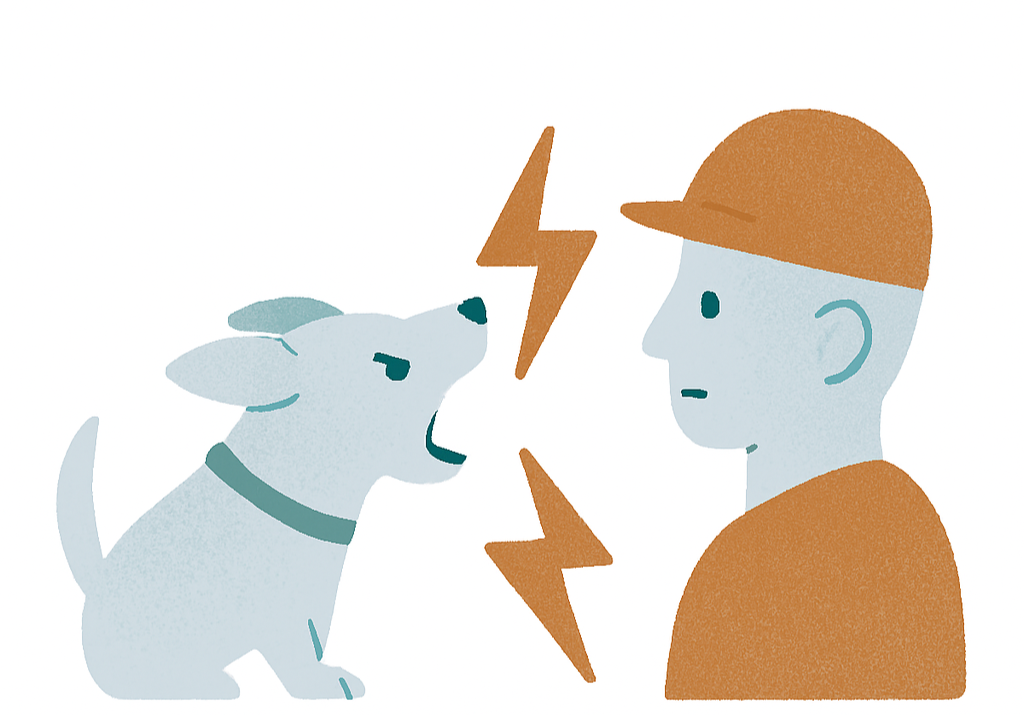
Aggression towards people (strangers or visitors)
Your dog reacts toward people because they feel unsafe or protective.
What it looks like: barking, growling, snapping, or lunging at unfamiliar people—especially when they approach your home or personal space.
How we train: building positive associations with people at your dog’s pace, using distance, structure, and rewards to create safety and trust.
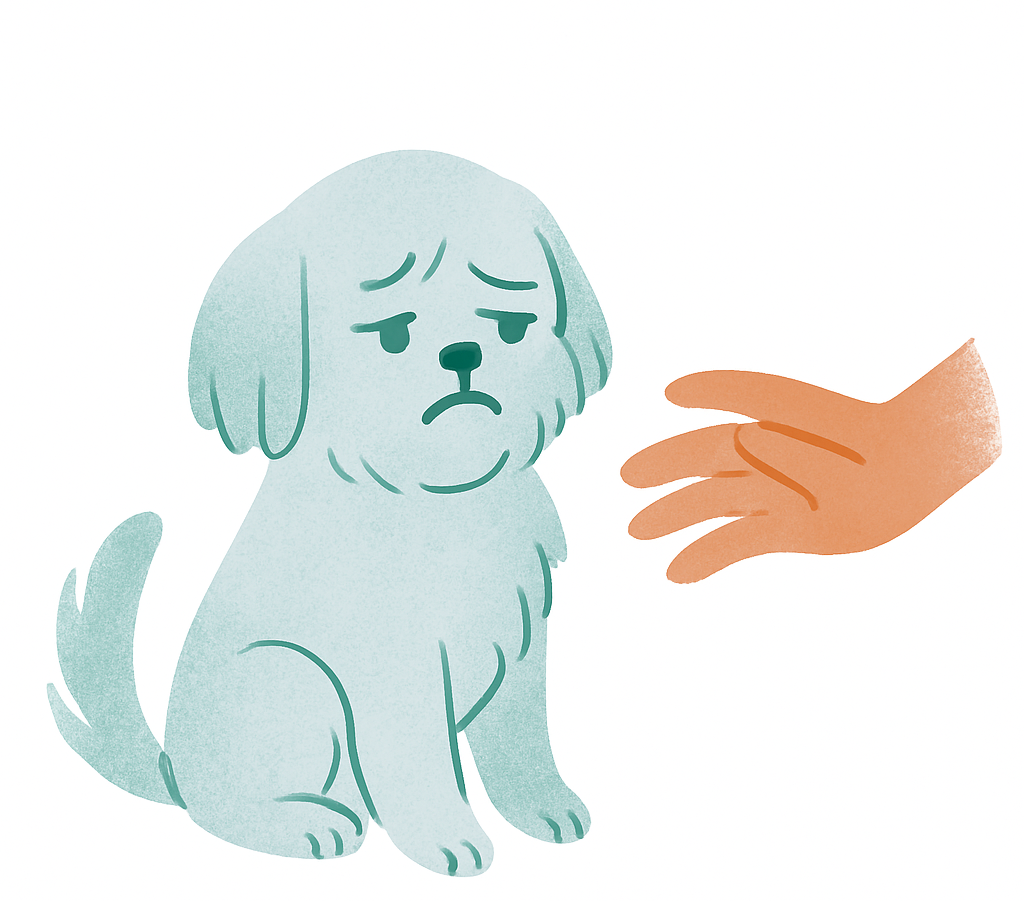
Touch sensitivity and handling issues
Your dog reacts to touch because they’re uncomfortable or fearful.
What it looks like: pulling away, flinching, growling, or snapping when touched or groomed.
How we train: slow desensitization so your dog learns that touch predicts comfort, not stress.
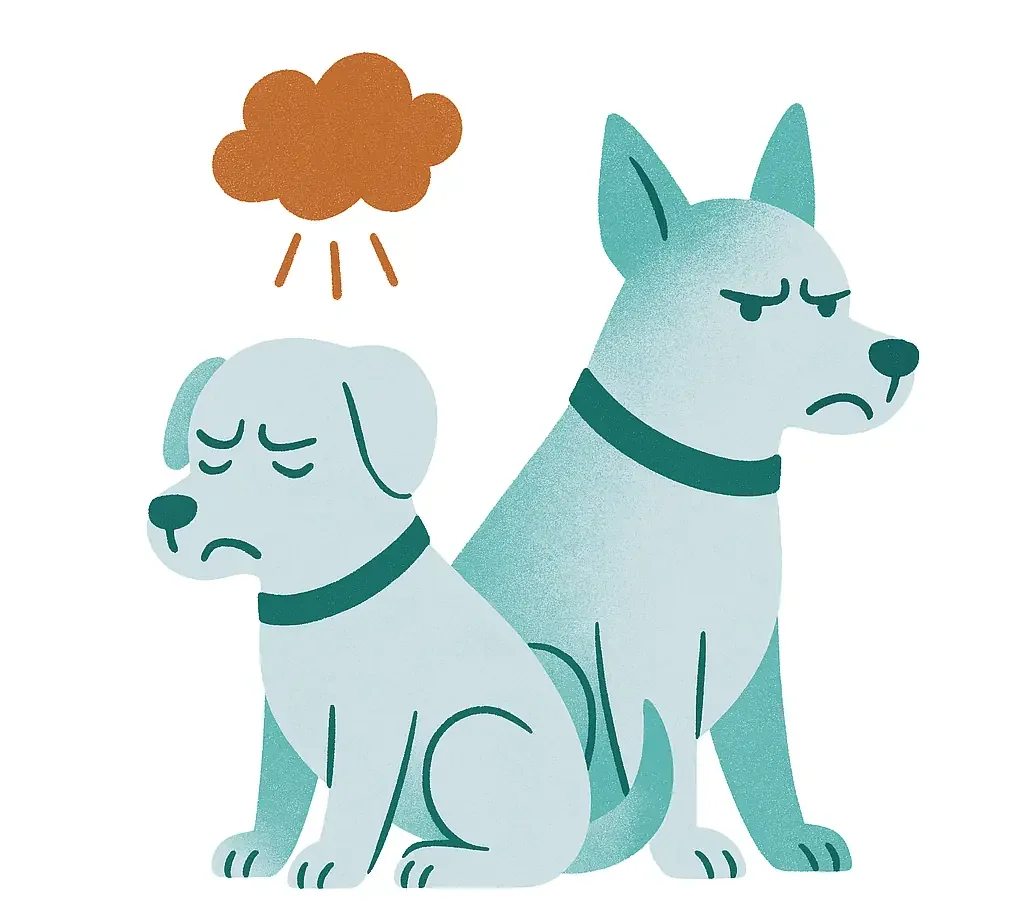
Dog-to-Dog Aggression (Within or Outside the Home)
Conflict between dogs often stems from fear, frustration, or poor communication.
What it looks like: growling, snapping, or fighting during greetings, at home, or over space and resources.
How we train: structured management, parallel work, and controlled setups to rebuild calm and safety between dogs.

Muzzle training
Muzzle training helps keep everyone safe and stress-free during behavior work, vet visits, or grooming.
What it looks like: a dog calmly wearing a basket muzzle without stress, pawing, or resistance.
How we train: through slow conditioning to get your dog comfortable wearing the muzzle. The goal is confidence, safety, and freedom for both of you.
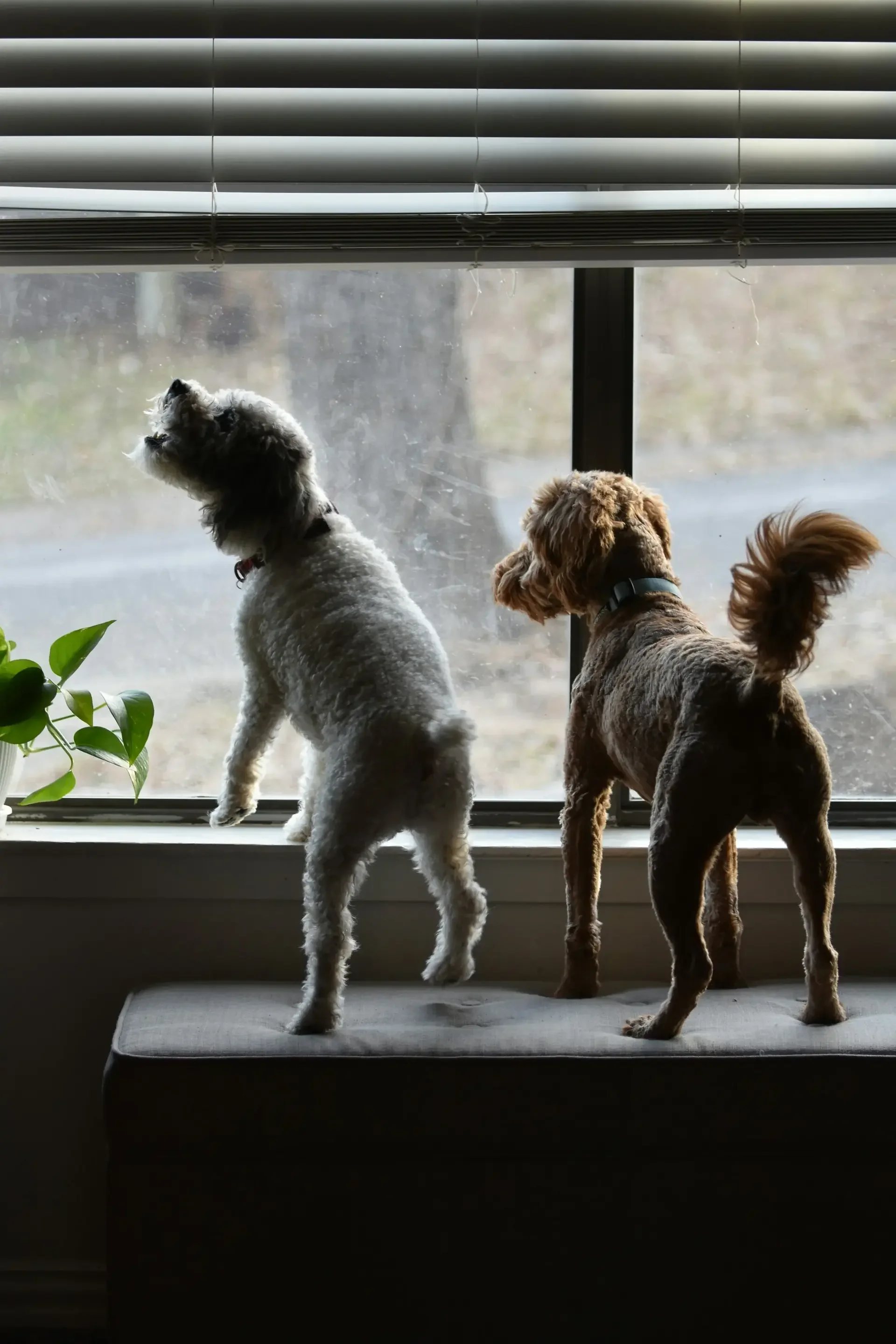
Why Dogs Develop Behavior Issues
Behavioral issues don’t happen overnight* and they’re not about dominance or stubbornness.
Most dogs show aggression, guarding, or fear because they’re trying to communicate stress or discomfort the only way they know how. They’re creatures of habit, so every time their communication “works,” they’re more like to continue displaying it (trying to bite, lunging, etc.)
*It’s especially important that we make sure your dog isn’t in any pain at the start. We’ll always first get a clean bill of health from your vet. Think about when we’re not feeling well; we definitely want space, too. I’m here to collaborate with your vet and vet behaviorist, always.
City life adds its own challenges to things: crowded elevators, high rise buildings, unpredictable encounters, and overstimulation. Genetics, early experiences, bad breeding, pain, and lack of social learning all play a role in how dogs respond to the world.

Early Signs of Stress or Escalation in Dogs
Dogs rarely snap out of nowhere. Long before a bite or outburst, they show subtle signs that they’re uncomfortable or overwhelmed. Learning to recognize these cues helps you intervene early and keep everyone safe.
Common signs your dog is stressed or about to react:
Tense body language
Whale eye (whites of the eyes showing)
Lip licking, yawning, or excessive panting
Excessively licking you
Freezing or sudden stillness
Growling, showing teeth, or backing away
Pinned-back ears or raised hackles
How Behavior Training Works
Behavior work takes time, but the transformation is real. Most clients see noticeable improvement within a few weeks, with ongoing progress as consistency builds.
How Training Works
All training is one-on-one and customized for your dog, your routines, and your goals.
1.
Assessment & Foundation Work
We start by understanding your dog’s full picture: history, triggers, daily routines, and environment. I’ll observe your dog’s behavior in real-life settings to identify what’s driving their reactions. From there, we’ll create a structured plan focused on safety, communication, and emotional stability.
2.
Training Sessions (in person or virtual)
Each session builds on the last, using positive reinforcement, threshold work, and desensitization to shift your dog’s emotional response to triggers. You’ll learn how to apply these techniques in everyday life, whether it’s during walks, around guests, or in your home environment.
3.
Practice & Management
Between sessions, you’ll get detailed notes, video demos, and step-by-step guidance. I’ll teach you how to manage real-world situations safely and reinforce calm, predictable behavior. The goal is confidence and consistency, for both you and your dog.
Critical Safety Tips for Dogs with Behavioral Issues
DON’T punish growling or warning signs:
This suppresses communication and can make aggression unpredictable.DON’T force interactions:
Never push your dog to “face their fears” with people, dogs, or triggers before they’re ready.DON’T use shock collars:
This is like adding fuel to the fireDON’T Ignore early stress signals:
Watch for lip licking, turning away, freezing, or whale eye; these are your dog’s way of asking for space.DON’T let others approach uninvited:
Your dog’s progress depends on consistent, predictable experiences.
Blogs You Might Like
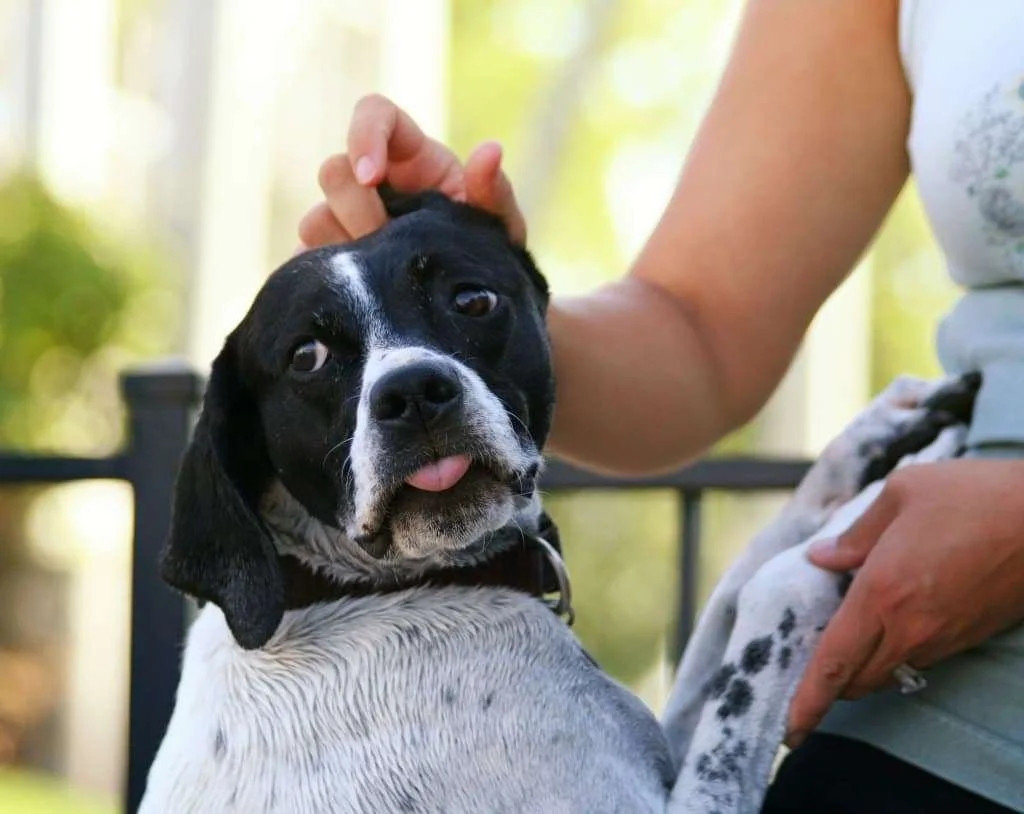
The 3-Second Rule for Dogs: Why “Consent to Pet” Creates Safer, Happier Greetings
The 3-Second Rule, also called “Consent to Pet,” is a simple way to create safer, more comfortable greetings for dogs.
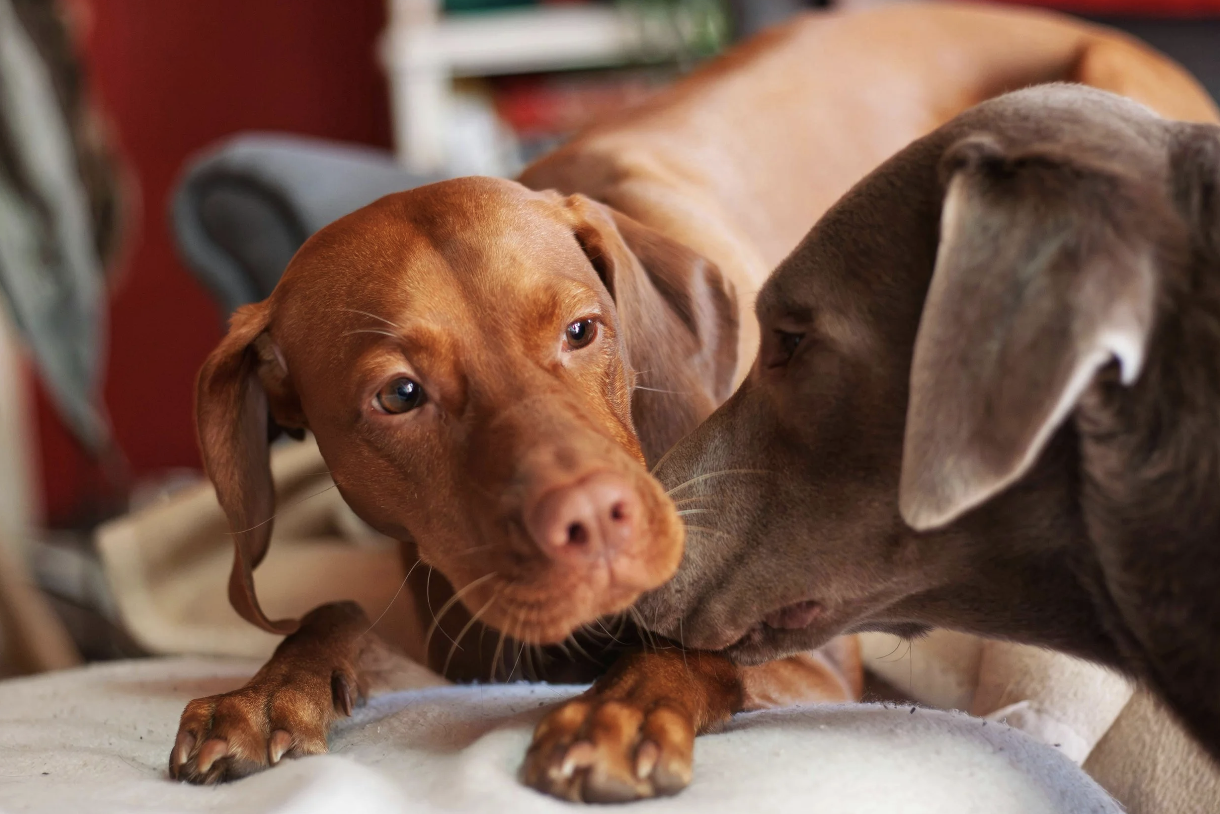
How to Help Dogs Get Along Again After a Fight
When your dogs fight, it can feel like your peaceful home just imploded. Here’s how to move forward safely, step-by-step.

Dog Training in High-Rises: Solving Elevator and Hallway Challenges
Learn how to how to handle elevator rides, narrow hallways, and surprise encounters.
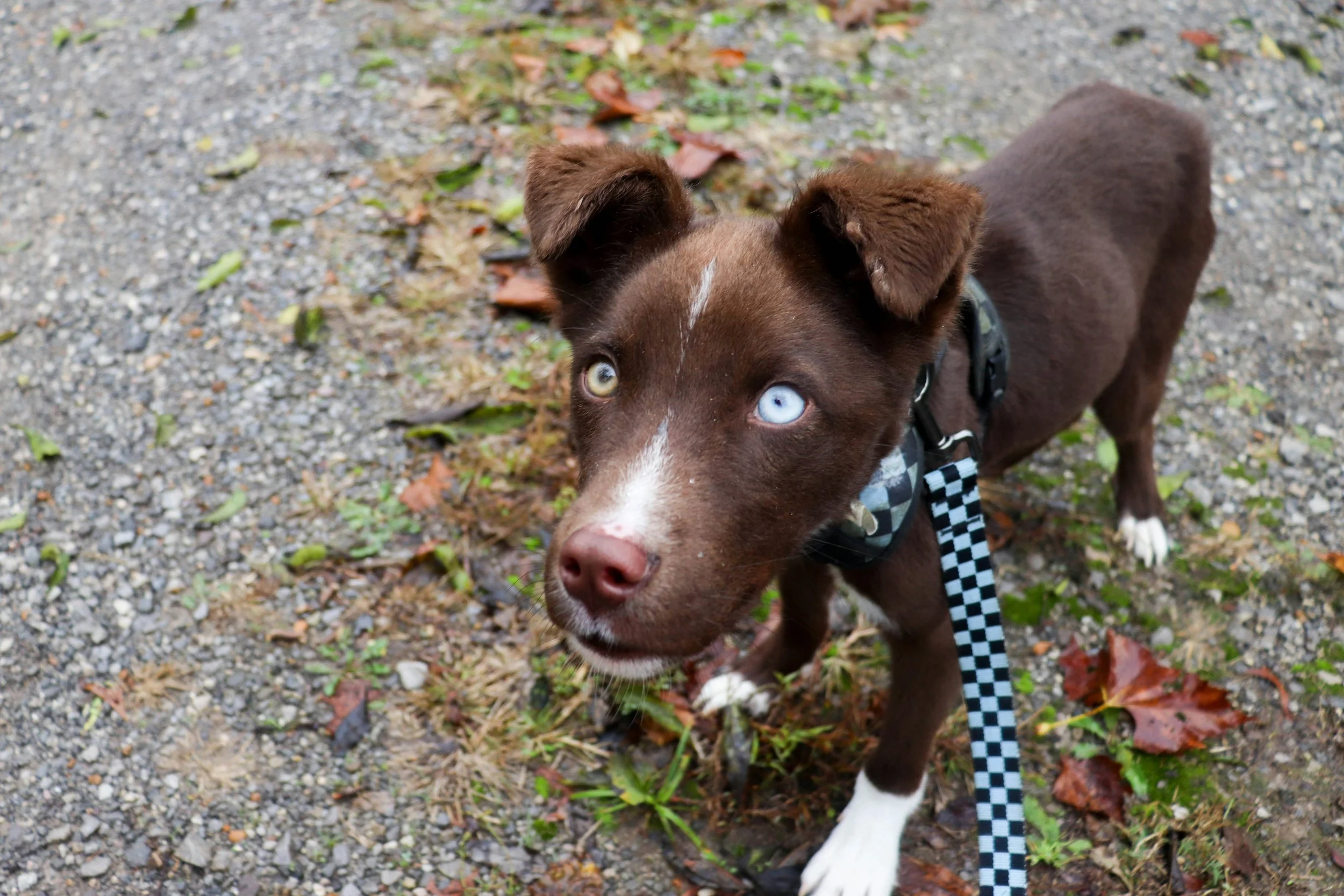
Helping Clients Rebuild Trust, Manage Triggers & Live Easier
We’ll work at your dog’s pace, on your schedule, in your space. The goal is progress you can feel and trust you can count on.
FAQs
-
Obedience training teaches skills like sit, stay, and recall. Behavior modification helps dogs overcome emotional struggles—such as fear, aggression, anxiety, or reactivity—through targeted exercises that change how they feel, not just how they act.
-
Aggression can often be improved and managed very successfully, but there’s no “quick fix.” With a consistent plan and proper guidance, most dogs learn to feel safer and make calmer choices. The goal is progress and safety, not perfection.
-
It depends on the dog, the issue, and how consistent training is at home. Many clients start noticing change within a few weeks, but lasting improvement typically happens over several months. Behavior work is a process, not an event.
-
Absolutely. I specialize in apartment dog training and Chicago high-rise dog training. We’ll create management plans that fit your space and lifestyle—teaching your dog to stay calm around hallway noises, guests, elevators, and more.
-
Resource guarding happens when a dog feels anxious about losing access to something valuable—like food, toys, or a resting spot. With structured training, dogs can learn to relax when people or other pets are nearby and even feel good about sharing.
-
Yes! Rescue and newly adopted dogs are some of my favorite cases. Many have unknown histories or learned defensive behaviors to protect themselves. Training focuses on safety, trust, and helping them adjust to city life with confidence.
-
Yes—your participation is essential. I’ll teach you how to handle real-world scenarios, recognize early warning signs, and respond effectively. You’ll gain the tools to manage and support your dog long after sessions end.
-
Yes—safety is always the top priority. All sessions are carefully structured, often using tools like leashes, long lines, barriers, or muzzles to keep everyone safe while allowing your dog to learn calmly and at their own pace.