
Reactivity Training in Chicago
Private reactive dog training using positive reinforcement and science-based behavior modification.
Support for Dogs Who Struggle With Big Feelings, Triggers, and Everyday Stressors
Reactivity can make even simple moments (like stepping outside your front door) feel overwhelming. Many Chicago dog parents find themselves avoiding certain streets, crossing sidewalks, timing walks around other dogs, or feeling anxious about what might set their dog off next.
If this sounds familiar, you’re in the right place. I help reactive dogs build coping skills, confidence, and calmer responses in the real world using positive, evidence-based training tailored to your dog’s unique triggers and emotional needs.
Reactivity isn’t about being bad, stubborn, or dominant.
It’s a combination of emotion, environment and learning history. With the right approach, meaningful change is absolutely possible.
Types of Reactivity I Work With
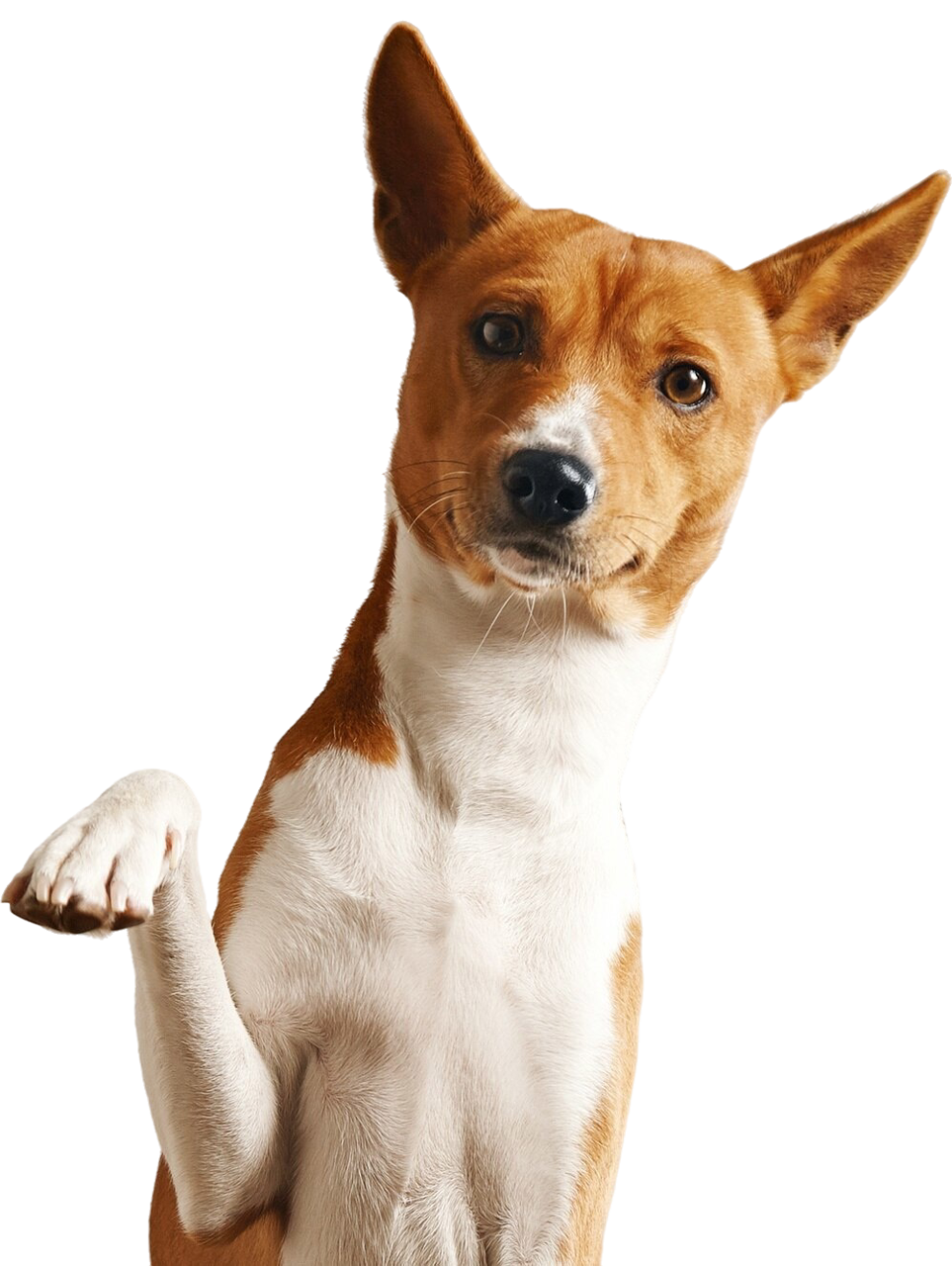
Fear-Based Reactivity
Startling, hiding, barking, or escalating quickly in new places or around unpredictable things.

People Reactivity
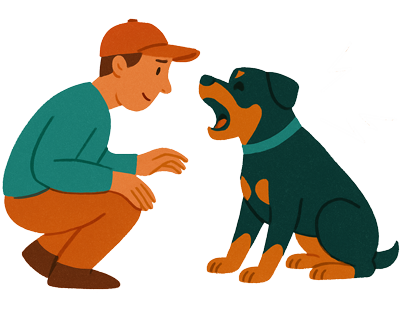
Often called stranger danger. Reactions toward strangers, visitors, delivery drivers, or neighbors.
Frustration Reactivity
Overexcited behavior when a dog wants access to something (another dog, person, or environment) but can’t get it.
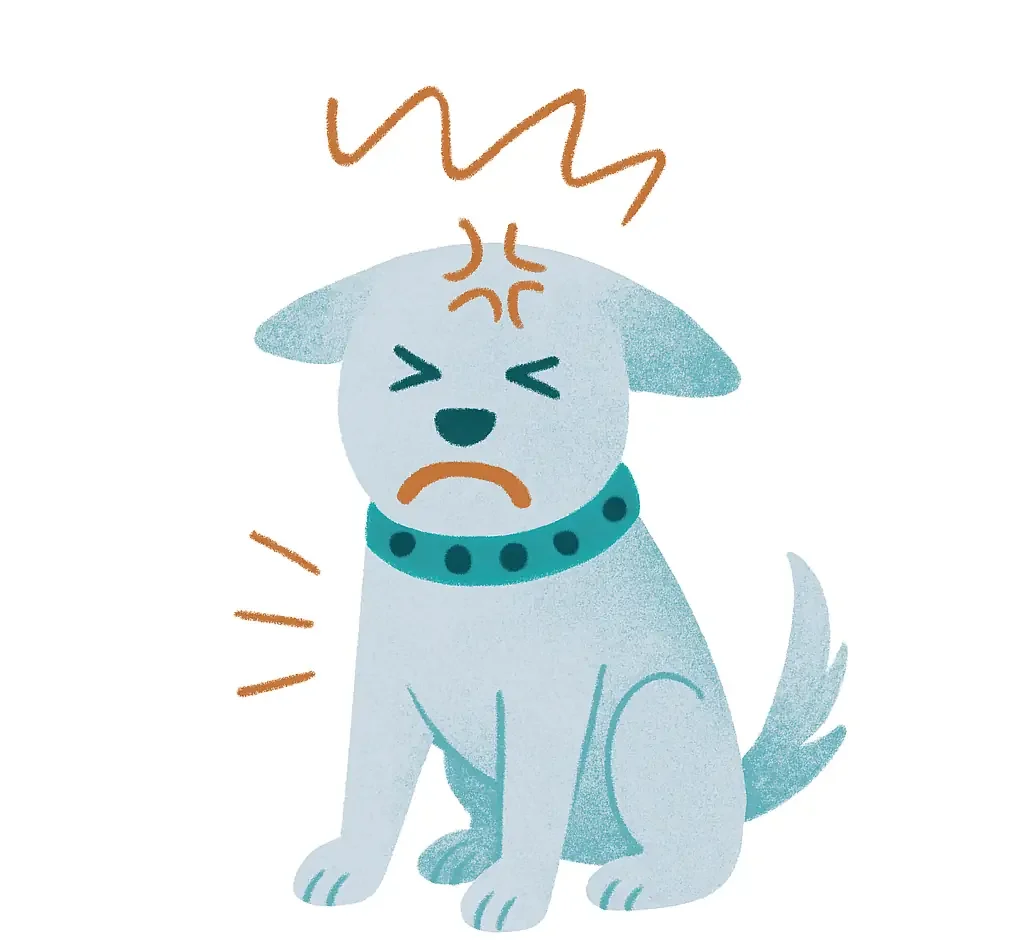
Leash
Reactivity
Barking, lunging, or freezing when encountering dogs, people, bikes, or other triggers on walks.
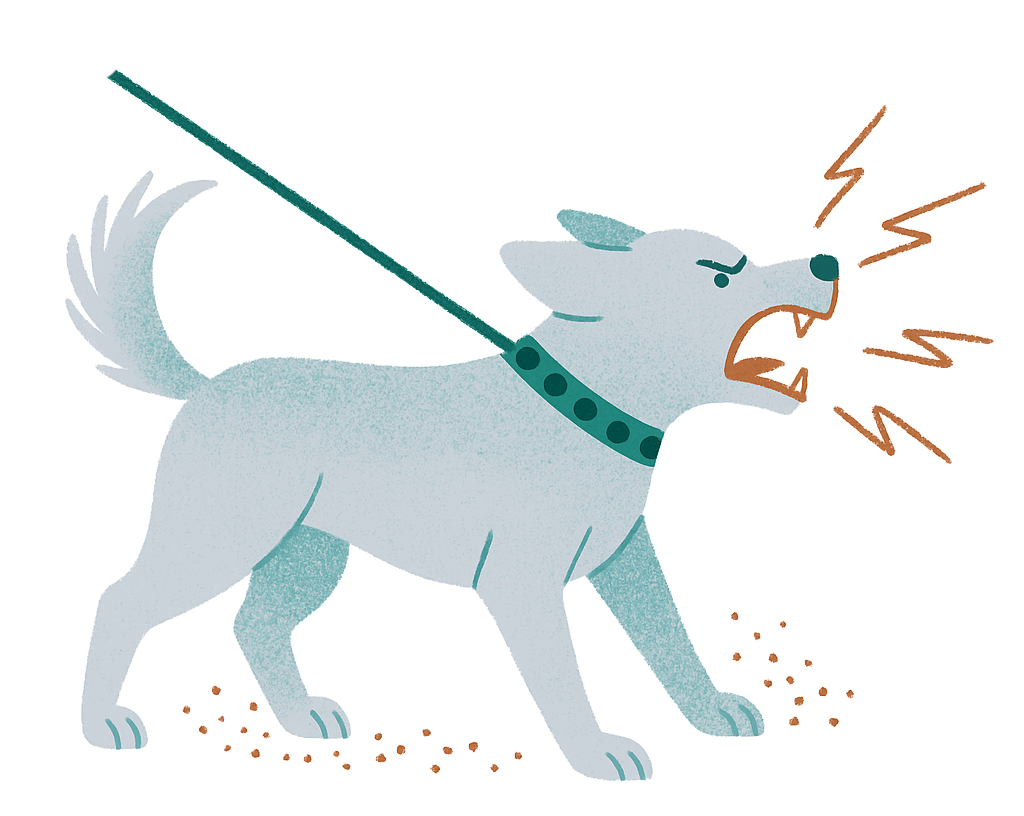
Barrier Reactivity
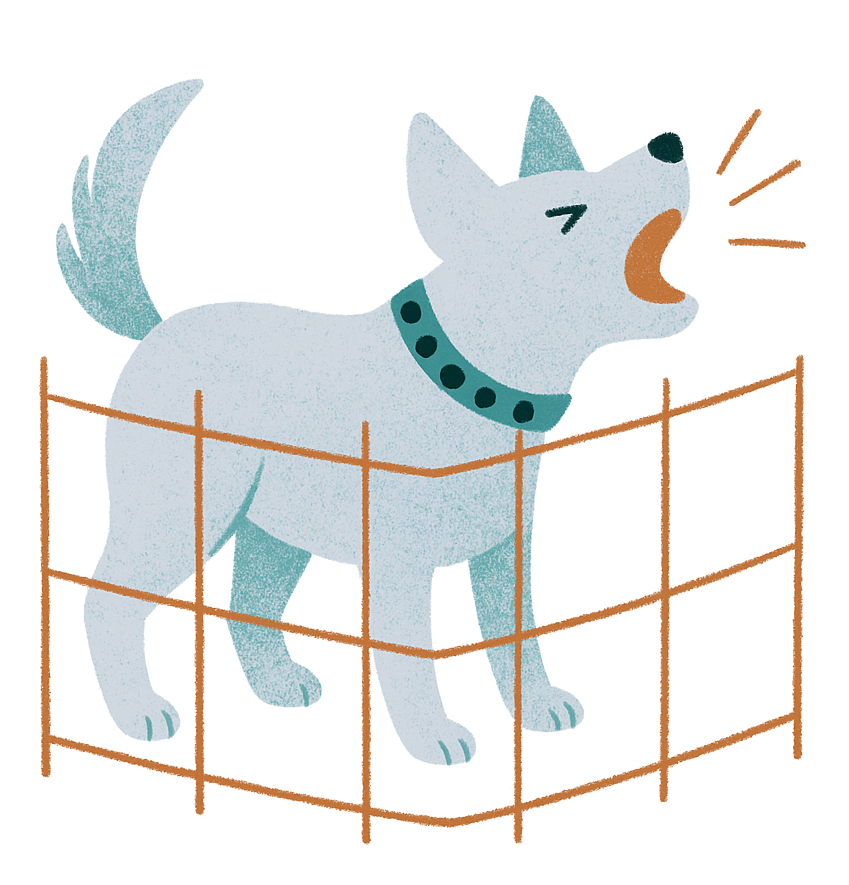
Barking or lunging at windows, fences, crates, balconies, or behind the door.
Dog-to-Dog Reactivity
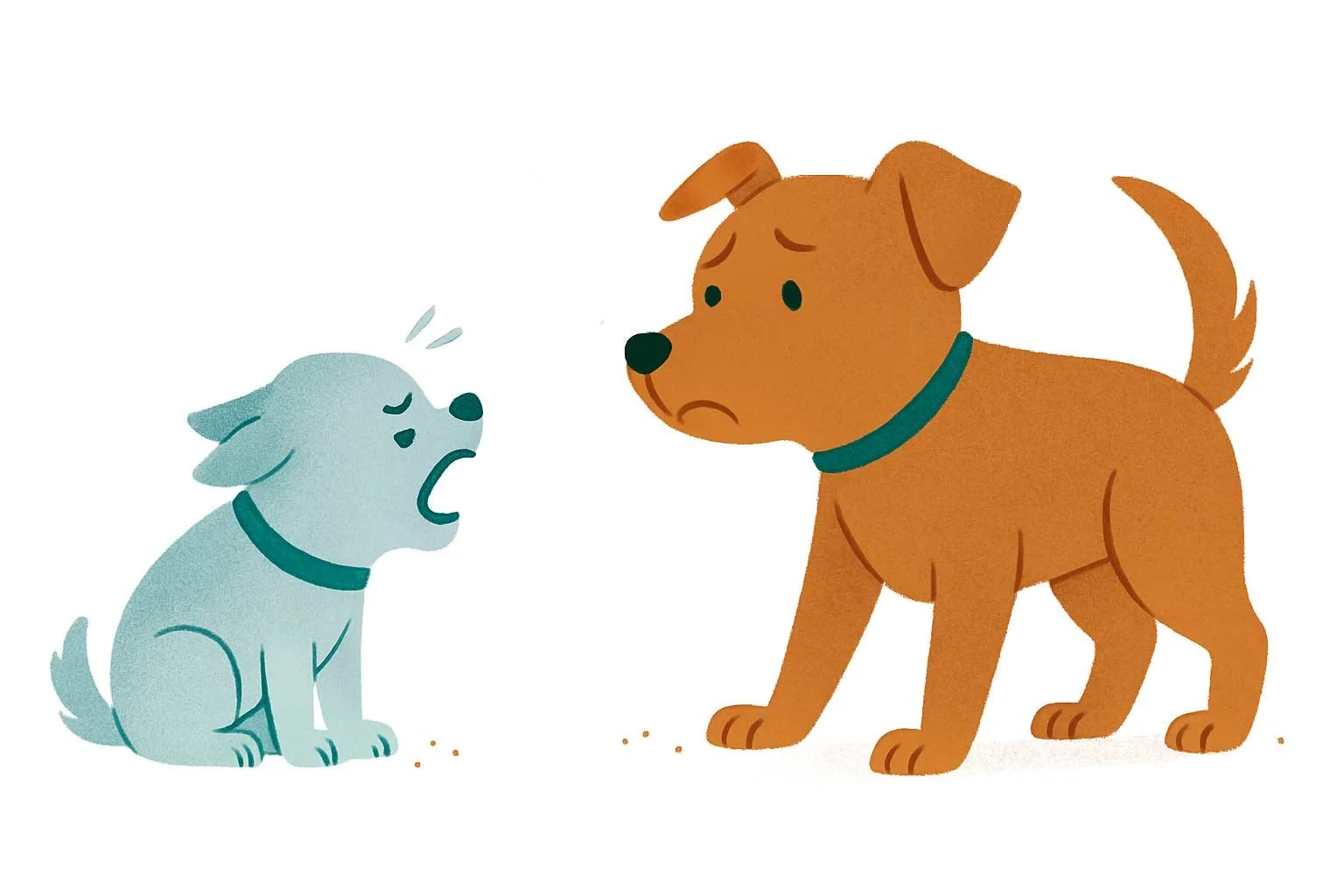
Difficulty passing or interacting with other dogs, whether out of fear, frustration, or mixed emotions.
Environmental Reactivity
Difficulty adjusting to noises, crowds, traffic, movement, new spaces, or busy urban streets.

Understanding Reactivity
Reactivity is an emotional overflow, not a personality flaw. When a dog barks, lunges, freezes, or fixates, they’re communicating discomfort, not trying to give you a hard time.
My Approach
Reactivity doesn’t improve through corrections, prong collars, or e-collars. Those tools may suppress the behavior temporarily, but they don’t change how the dog feels, and often increase fear or frustration over time.
🔍
Understand What’s Driving Behavior
We identify:
your dog’s triggers
their threshold distance
early warning signs
recovery time
nervous system state (overaroused, fearful, frustrated, etc.)
which environments support or overwhelm them
This becomes the foundation of your training plan.
🧠
Reduce Stress & Change Emotions
Reactive dogs learn best when their nervous system is regulated. A calmer dog has a bigger window for learning, and emotional shifts create lasting behavior change, not temporary obedience.
We focus on:
decompression
predictable routines
enrichment that calms
reducing daily triggers
shifting “that’s scary” → “I know what to do”
shifting “I need to react” → “I can disengage”
building positive associations around triggers
🧩
Teach Skills to Use Around Triggers
Instead of forcing your dog to “just ignore it,” we teach:
pattern games
automatic check-ins
disengagement
creating space
calm sniffing
controlled movement
handler-focused refocusing behaviors
🌱
Support for the Human Side
Reactivity affects your confidence too! My training supports both ends of the leash.
You’ll learn:
how to prevent escalation
what your dog’s signals mean
how to navigate tight city spaces
when to stay, when to move, and when to reset
how to recover emotionally after tough walks
how to feel in control again
Common Issues Reactivity Training Can Improve
🔊
Fear/panic in new
situations
🐕
Pulling, barking, lunging on walks
🎇
Overexcitement that turns into reactivity
↔️
Difficulty passing dogs or people
🚲
Escalation around bikes, cars, or joggers
⚡
Overreacting to noises, movement, or surprises
🏢
Reacting in elevators, lobbies, or hallways
🪟
Barking at windows, fences, or the front door
What Training Looks Like
1.
Initial Consultation
We talk through your dog’s triggers, behavior history, environment, and goals.
I observe your dog’s baseline behavior and assess what’s happening under the surface.
2.
Foundation Skills at Home
Before we take training into the world, we build reliable skills like check-ins, pattern games, marker cues, and safe disengagement. These become the tools you will later use outside.
3.
Controlled Exposure Sessions
We work at distances and intensities your dog can handle.
No flooding. No pushing past thresholds. Just calm, steady progress.
4.
Real-World Practice & Long-Term Skills
Once your dog has the foundations, we layer in realistic challenges relevant to your life. You’ll learn how to maintain the progress and keep your dog supported as their environment changes.
What’s Realistic to Expect
Reactivity training isn’t about making your dog “perfect”—it’s about giving you both a calmer, more predictable life together. You can expect:
less barking and lunging
easier walks
fewer explosive moments
better recovery when something goes wrong
a dog who checks in instead of spiraling
clearer communication
more confidence for both ends of the leash
Every dog is different, but progress is absolutely possible.

How Long Does It Take?
It depends on:
how long the behavior has been rehearsed
your dog’s underlying emotional state
genetics and temperament
how consistent the environment is
your goals
the intensity of the triggers
frequency of practice
Most families see meaningful improvements within weeks, with continued progress over months. Reactivity isn’t something we “fix”—it’s something we support, manage, and improve dramatically.
-
Yes!
-
I'll assess during the free consultation. If your dog has a bite history, we'll discuss whether private training is appropriate or if a veterinary behaviorist referral is needed.
-
That's leash reactivity/barrier frustration. Dogs feel trapped on leash and react because they can't escape or approach freely. Training teaches them to handle that frustration.
If young children are present, I may guide them through short, supervised exercises or ask that an adult handles the main training while kids observe at first. The goal is to make training fun, safe, and clear for everyone involved—two-legged and four-legged.
-
Whether your dog is reactive (barking/lunging) or truly people-aggressive, we’ll work together to make every training session safe and comfortable for your dog.
-
Most clients see progress in 3-6 sessions for basic obedience and leash walking. More complex issues like reactivity or recall may take longer. We'll discuss a customized plan during your consultation!
-
Most likely! Get in touch with me if you live in the city of Chicago to see if I service your area.

FAQs

Ready to get started?
Schedule a free phone consultation to chat through your goals.
Blogs You Might Like
How to Introduce Dogs When One is Reactive
Learn effective strategies for reactive dog introduction. Discover step-by-step tips to peacefully introduce your reactive dog to another dog and manage their reactivity.
How to Help Dogs Get Along Again After a Fight
When your dogs fight, it can feel like your peaceful home just imploded. Here’s how to move forward safely, step-by-step.
Dog Training in High-Rises: Solving Elevator and Hallway Challenges
Learn how to how to handle elevator rides, narrow hallways, and surprise encounters.