
Dog Training with Hailey Mott, CPDT-KA
Your Trusted Pet Trainer in Chicago
In Chicago, dogs move through loud streets, tight hallways, high-rise elevators, and busy parks. This page explains how our pet training helps your dog handle daily life with calm, clear behavior. You’ll learn what we teach, how sessions work, and what to expect from a Certified Dog Pet Trainer.
Hi, I’m Hailey Mott, private dog trainer in Chicago.
My approach is grounded in empathy and shaped by years of hands-on dog rescue work and group class teaching. This experience has taught me how to meet every pup and family where they are—no matter their background, breed, or temperament.
I work one-on-one with people and their dogs all over the city. I break things down in a way that makes sense and keep the process enjoyable for both ends of the leash. My goal is to help you and your dog build confidence, a stronger bond, and clear communication, because real progress happens when everyone's having a good time learning together.

$145 per session or save $50 when you purchase a 5 pack
My private training services
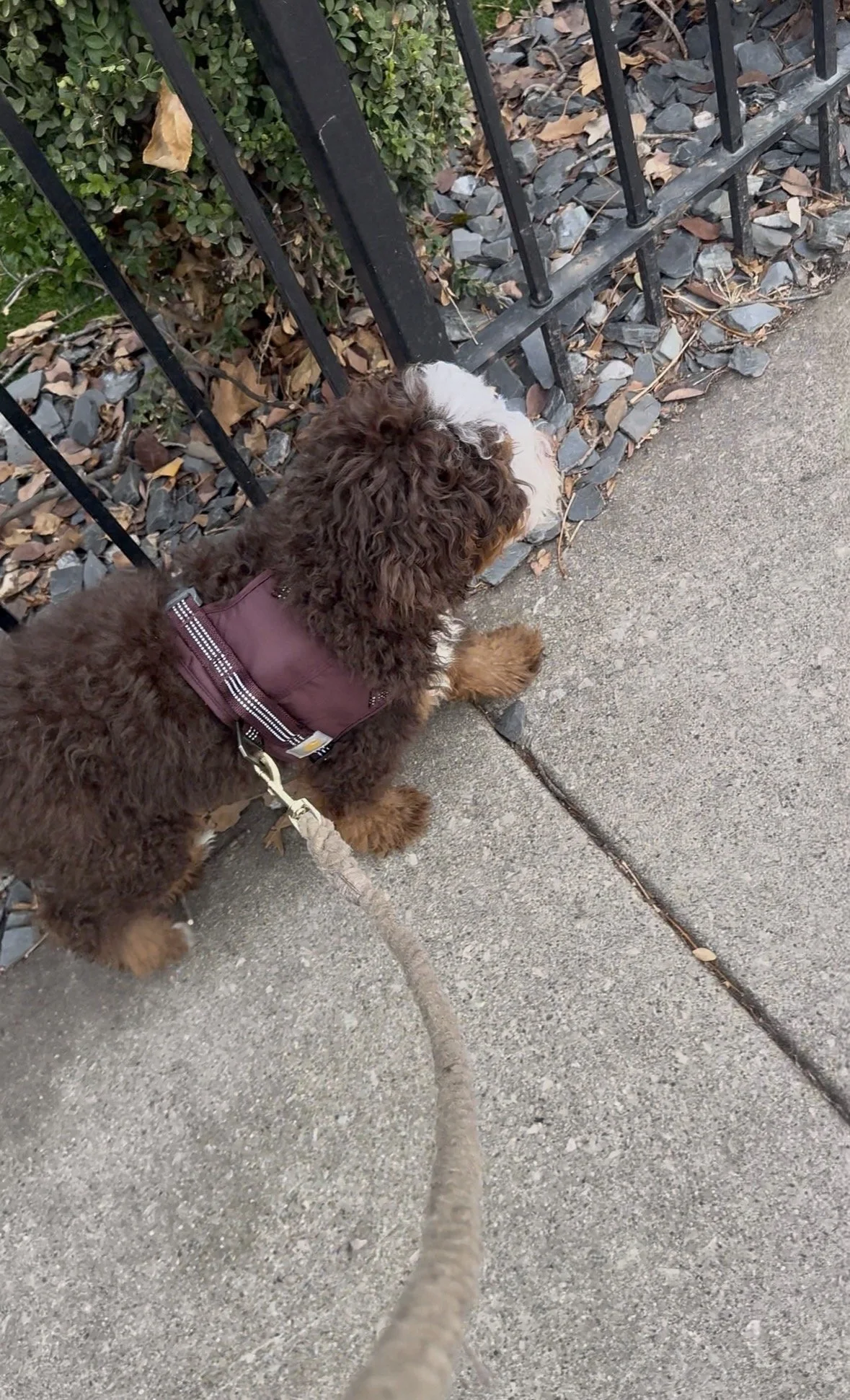
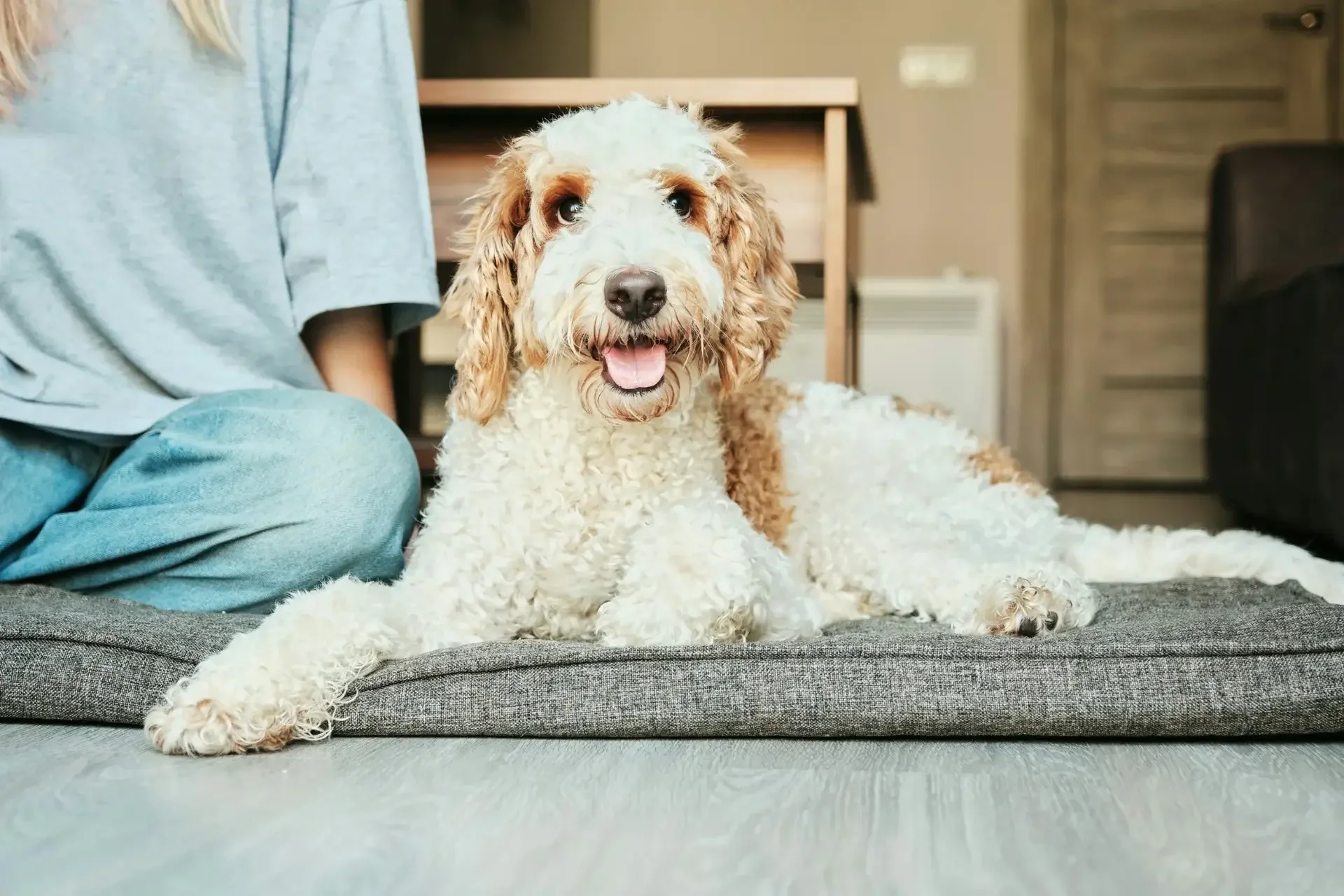
Puppy Obedience & Socialization
Set your puppy up for success with foundational puppy obedience, potty training and crate training training.
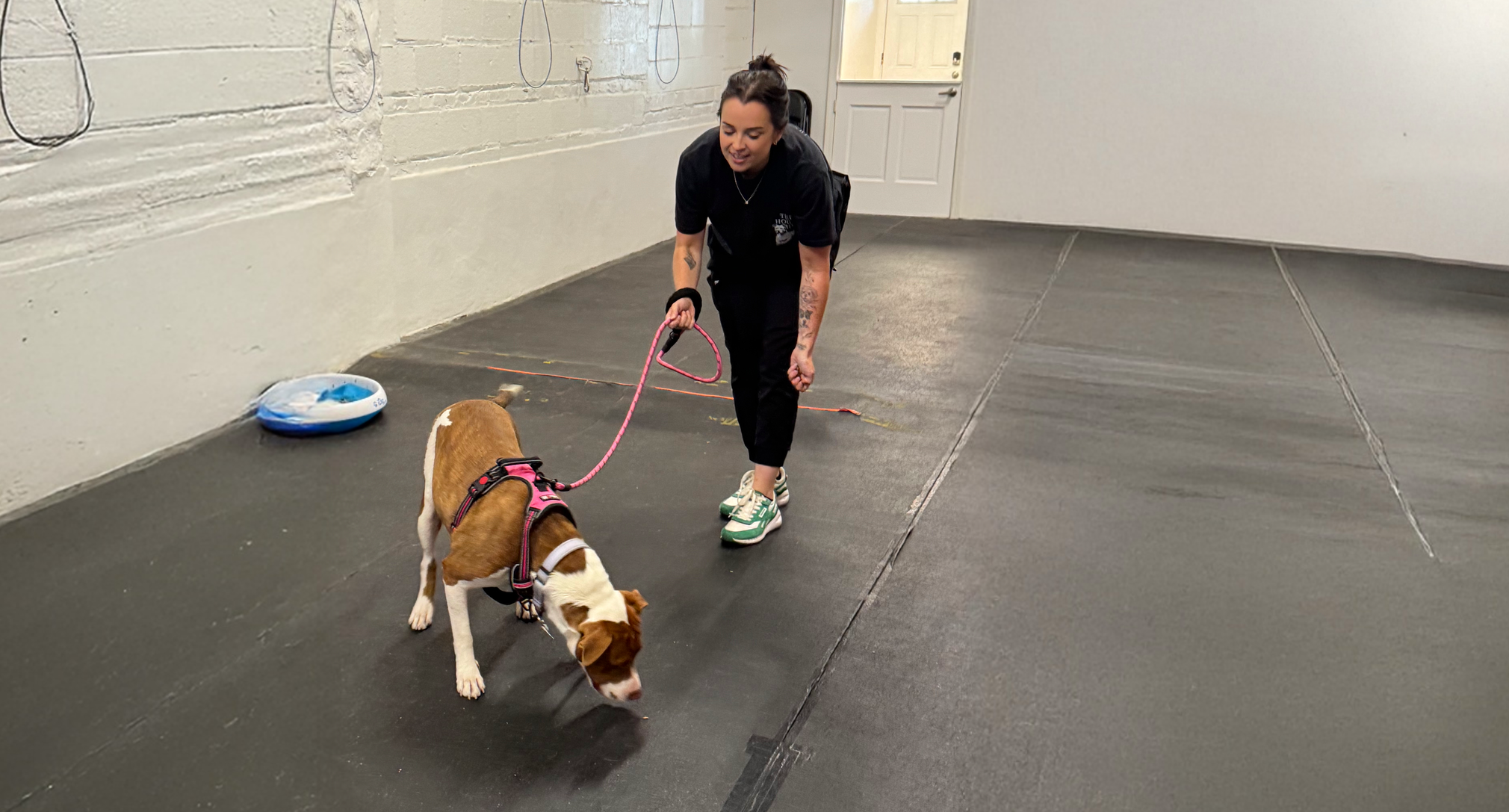
Adult Obedience, Leash Walking & Recall
Master everyday skills for calm, confident dogs through positive reinforcement training.
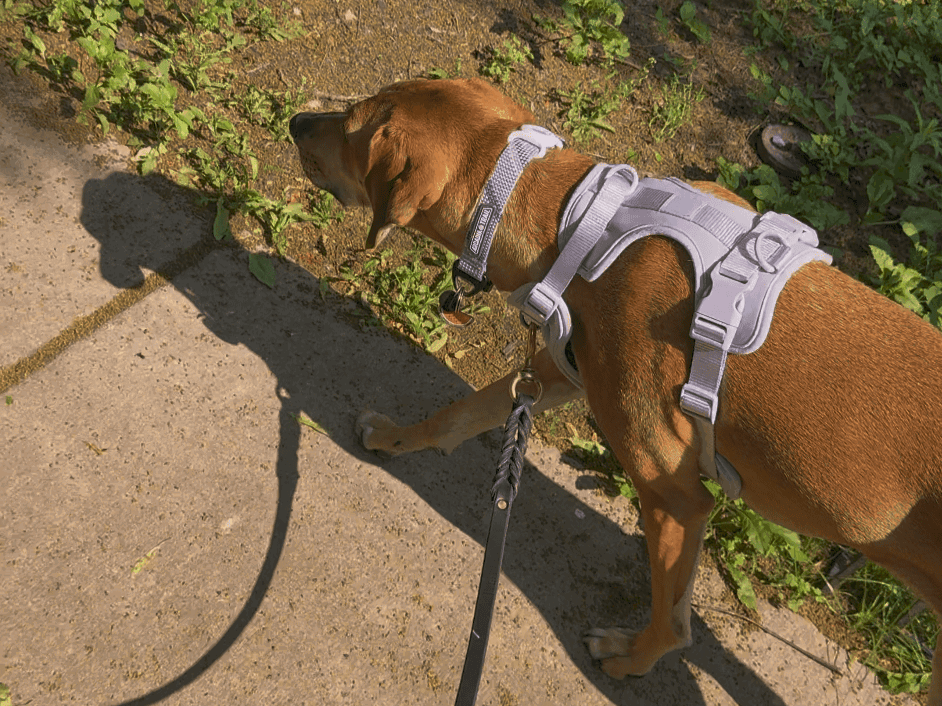
If your dog barks, lunges, or shuts down around people, dogs, or movement, that’s reactivity.

For dogs with fear, guarding, or aggression. Training that builds safety and trust.
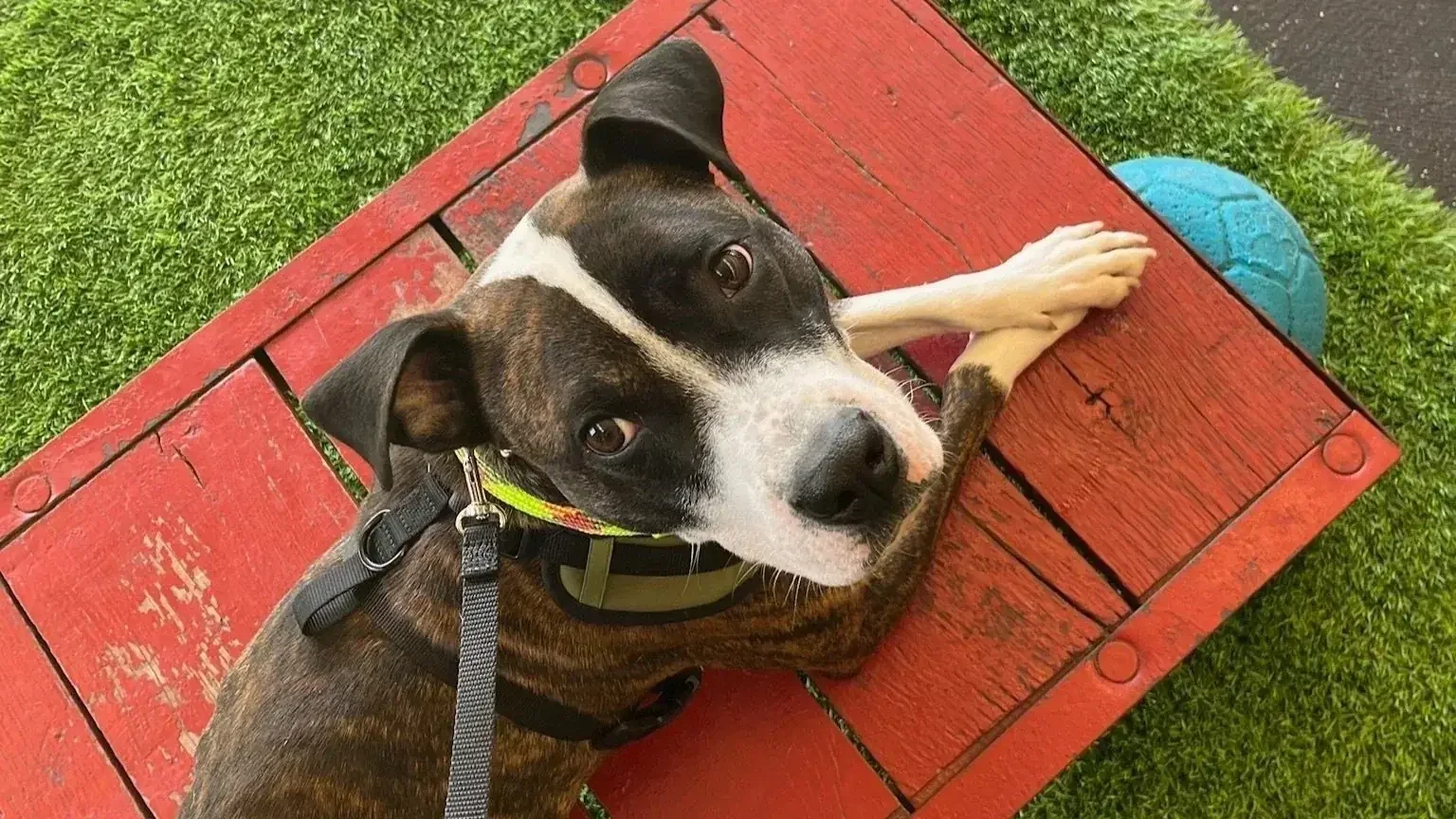
Whether your dog’s learning to trust again, adjusting to city life, or just figuring out the basics.
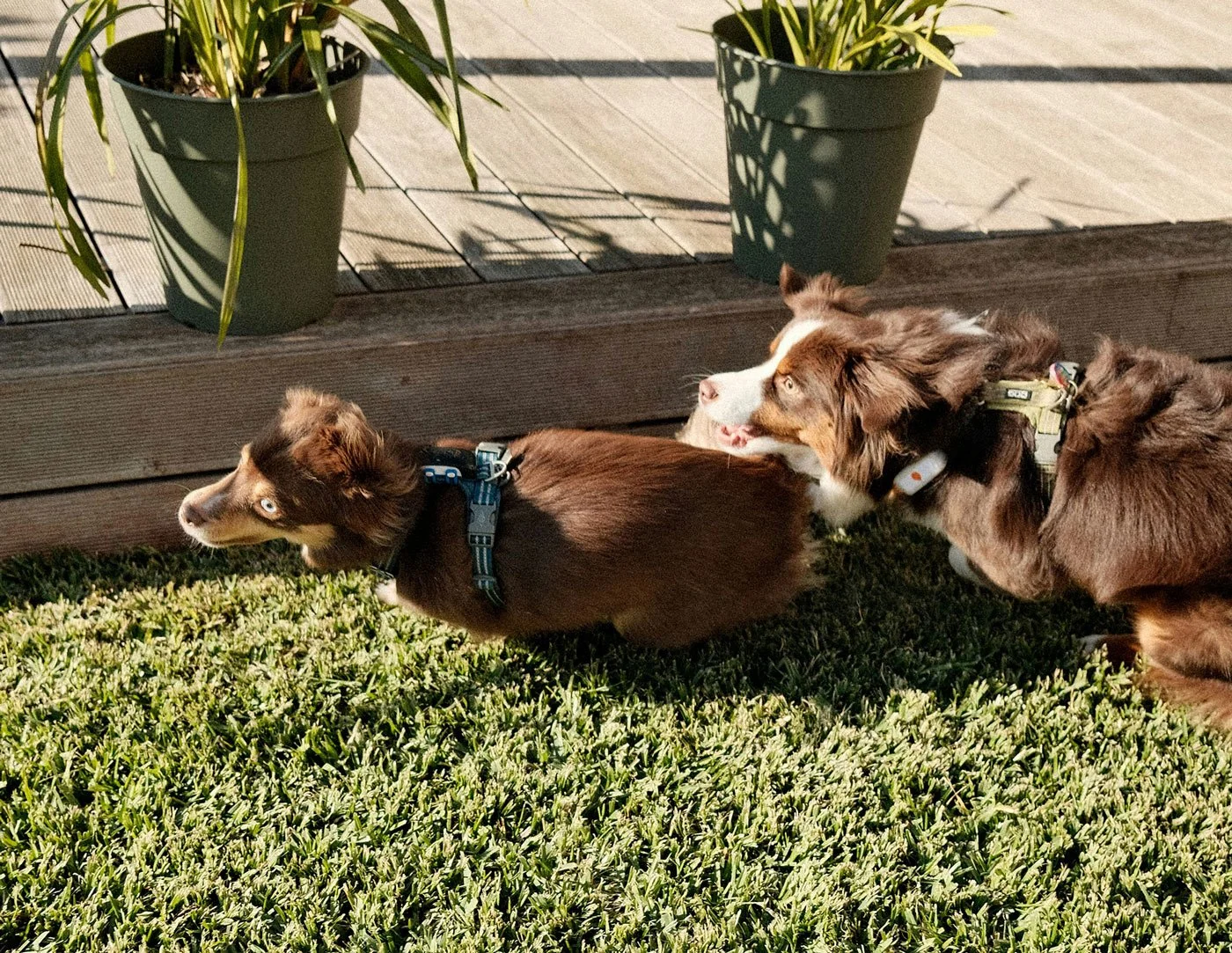
Living with more than one dog can feel chaotic — especially when routines break down or tension builds. I help you create structure, predictability, and clear expectations so everyone can relax.
I believe that good training starts with clear steps your dog can follow
Many Chicago dogs struggle because the world moves fast around them. A door shuts, an elevator dings, a neighbor walks by and they react before thinking—whether that’s by jumping up to say hi to someone or reacting with a bark and lunge.
As a private dog trainer, I begin by teaching your dog simple, repeatable patterns in a quiet space so they understand what to do before life gets busy. Once your dog feels confident, we slowly add real-life challenges at a pace they can handle. Each step builds on the last, so your dog learns how to stay calm, check in with you, and move through daily routines without stress.
If you live in areas like Fulton Market or West Loop, we can work our way up to practicing in the spaces your dog struggles most. This makes training feel useful, not theoretical.
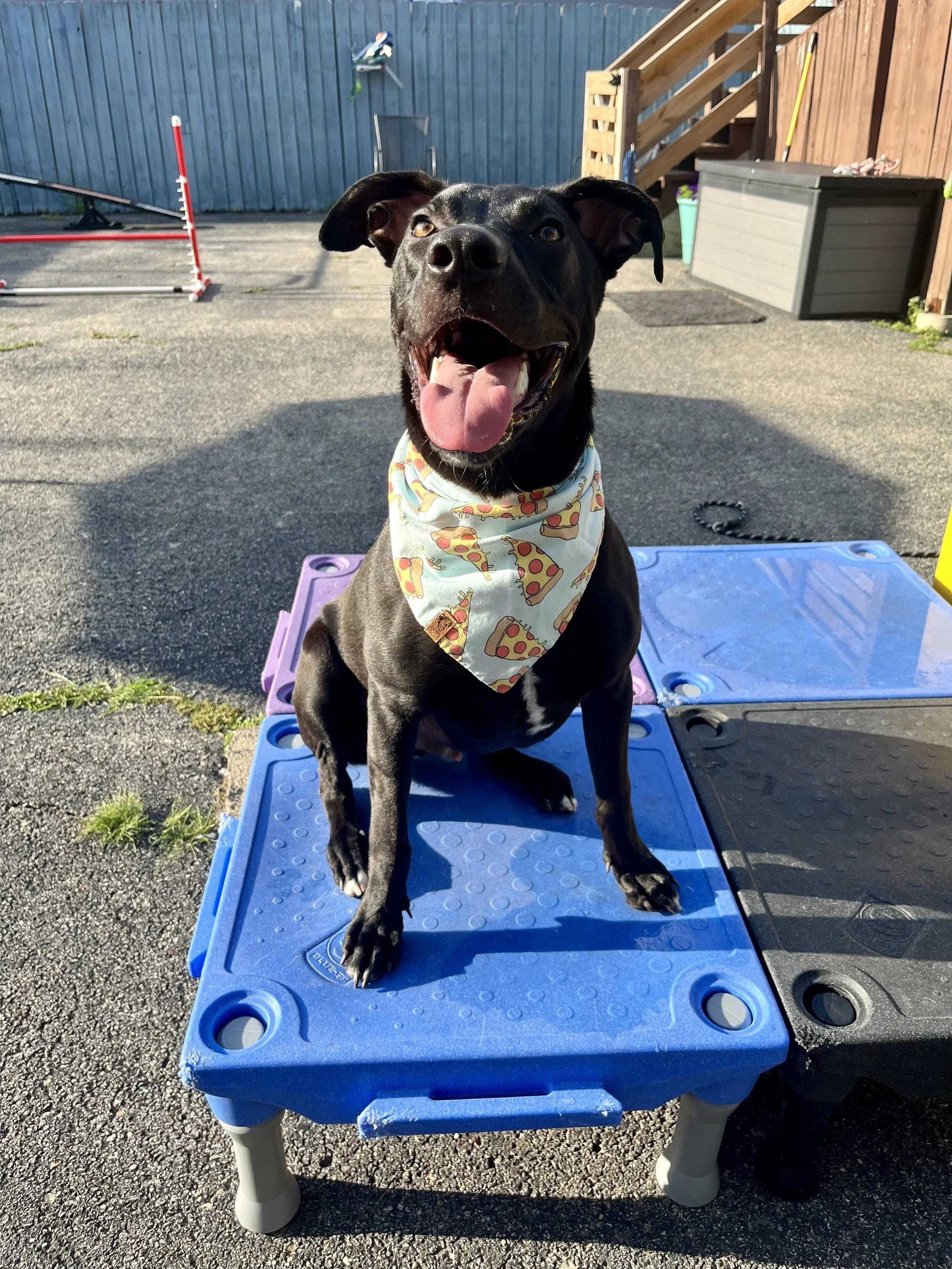
Skills that transfer to any environment
Condos, flats, and multi-unit buildings mean dogs hear constant noise: elevators, neighbors, deliveries, and street traffic. Good manners help dogs stay calm when the world is loud.
I focus on behaviors that make Chicago living easy:
Staying settled during hallway noise
Greeting people politely in small lobby spaces
Walking through narrow sidewalks without lunging
Staying focused around dogs and people in crowded areas
If you’re in Lincoln Park or Logan Square, these skills help your dog stay confident even when the environment gets busy. Dogs don’t have to be perfect—they just need a clear plan they understand.

What does a private training session look like?
Every session is one hour and follows a clear, simple structure so your dog stays successful and you leave knowing exactly what to do next.
Settle In + Quick Check-In
We start with a short chat about how the week went. Your dog warms up while we talk through wins, challenges, and any new behavior you noticed.
1
Add Real-Life Difficulty
Once the skill makes sense, we layer in small challenges your dog will face at home or outside—mild distractions, doorways, movement, or changes in distance. We adjust the setup so your dog stays confident, not overwhelmed.
2
Review Last Week’s Skills
Your dog practices one or two skills we’ve already taught. This lets us see what’s getting stronger and what needs more support.
3
Owner Practice + Coaching
You take over and run through the exercise.
We coach your timing, leash handling, reinforcement placement, and body language so you feel comfortable practicing on your own.
4
Teach a New Skill or Pattern
Next, we introduce one focused skill your dog is ready for. It might be engagement, polite greetings, leash walking, settling, or another more complex skill.
5
Wrap-Up + Homework Plan
Before we end, you get a simple homework plan with clear steps, how often to practice, and what to focus on next.
Training always feels doable, not like a second job.
6
Solid skills now prevent problem behaviors later
Many behavior issues start small: a little barking, a quick pull, a tense moment during a greeting.
With structured training and practice, your dog learns patterns that stop these habits from taking root. I focus on teaching dogs how to pause, check in, and move through the world with confidence before stress takes over.
Training often includes easy setups that feel like real life: passing another dog at a safe distance, walking by movement or noise, or greeting new people without pressure. These controlled reps teach your dog what to do in situations that would normally feel overwhelming.
I also help owners understand simple tools, like keeping greetings short and relaxed, so dogs can communicate safely and avoid conflict. The goal is steady progress and a dog who feels sure of themselves—not reactive or unsure.

Ready to start training?
If you’re looking for private sessions that are down-to-earth, practical, and engaging, I’m here for it.
FAQs
-
Most sessions stay short and structured so dogs learn without stress.
-
Yes. City dogs face many fast-moving triggers, and a trainer helps them handle daily life with confidence.
-
No degree is required, but real experience, certification, and city-specific skill matter most.
-
It describes the first 3 days, 3 weeks, and 3 months a dog needs to settle, adjust, and feel stable in a new home.
-
The 3-second rule is a simple way to keep interactions safe and comfortable for dogs. It means giving a dog a quick, gentle greeting, then pausing after three seconds to see if they want more contact. This helps dogs feel in control of the situation instead of overwhelmed or pressured.
-
A trainer builds daily skills, supports behavior change, and helps dogs navigate the busy rhythm of city life.