
Crate Training Your Chicago Dog: Step-by-Step Guide for Apartments
Crate training sometimes gets a bad rap, especially among city dog owners who picture confinement or worry their dog will bark in an apartment building. But when done right, crate training isn’t about punishment or isolation. It’s about creating a safe, calm space that your dog genuinely enjoys.
As a CPDT-KA certified dog trainer working with Chicago families, I teach crate training as a skill. One that helps dogs relax, prevents accidents, and keeps everyone’s sanity (and lease) intact.
Here’s how to do it step-by-step, using positive reinforcement and real-world Chicago tips.
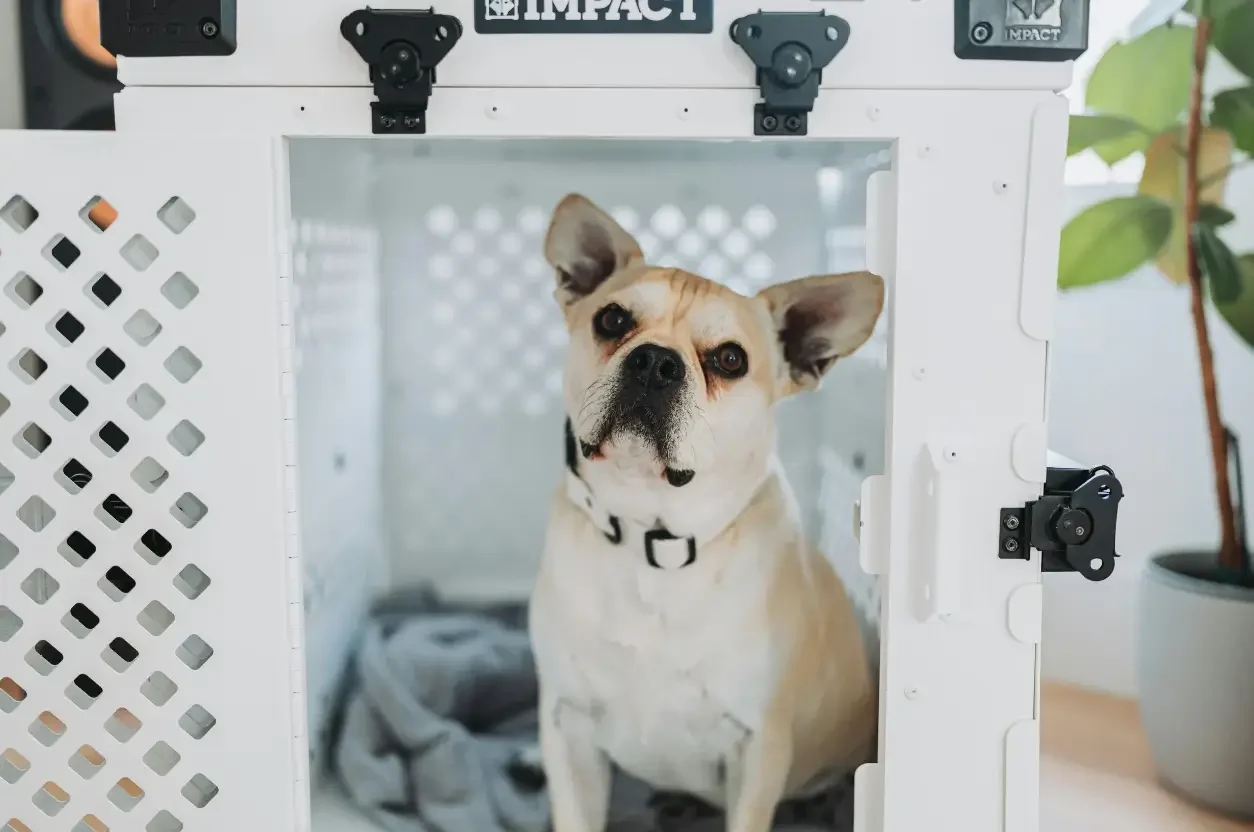
Why Crate Training Helps City Dogs
Crate training isn’t just for puppies. It’s useful for dogs of all ages, especially in apartments or high-rises where space is limited and noise carries.
Here’s what a crate can help with:
House training: Dogs naturally avoid soiling where they sleep.
Safety: Keeps dogs secure when you’re not home or can’t supervise.
Structure: Helps prevent destructive chewing or pacing.
Calm: Gives anxious or overstimulated dogs a quiet space to decompress.
Travel readiness: Makes vet visits and boarding much less stressful.
In busy apartment buildings, a crate can also prevent problems like barking at hallway noises or scratching at doors while you’re gone.
Trainer Tip: Think of the crate as your dog’s bedroom, not a timeout zone.
1. Pick the Right Crate & Spot
You don’t need a fancy setup, just a crate that’s:
Big enough for your dog to stand up, turn around, and lie down comfortably.
Not too big — you don’t want a “potty corner.”
Made of wire, plastic, or soft fabric depending on your dog’s comfort and chewing habits.
Best location:
A quiet but social area (like the living room corner or bedroom).
Away from direct heat or cold drafts.
Not in total isolation — dogs are social animals and want to feel included.
If you’re short on space (hello, Chicago apartments), consider collapsible crates or furniture-style designs that double as end tables.
2. Introduce the Crate Positively
Never force your dog into the crate. The goal is curiosity and choice.
Start simple:
Leave the door open and toss a few treats or a toy inside.
Let your dog explore at their own pace.
Reward any interaction — sniffing, stepping in, or lying down near it.
Feed a few meals or scatter kibble inside to build a positive association. You’re helping your dog think: “Crate = good things happen.”
Trainer Tip: Keep initial sessions short and pressure-free. It’s about comfort, not compliance.
3. Add a Cue and Build Duration
Once your dog enters willingly, start adding a gentle verbal cue like “crate” or “go to bed.”
Say the cue once.
Point or toss a treat in.
When your dog enters, calmly praise and reward.
Let them come back out when they want.
Gradually close the door for a few seconds, reward, and open it again. Build time slowly. Seconds, then minutes.
You can even sit nearby and read or scroll your phone while they relax. The idea is for the crate to feel normal, not isolating.
4. Practice Calm Exits and Alone Time
Dogs learn routines fast and if the crate always predicts your departure, they’ll get anxious.
Mix it up:
Sometimes crate your dog while you’re home.
Sometimes leave briefly, come back, and let them out calmly.
Avoid big emotional goodbyes or excited greetings when you return. Calm energy helps them stay relaxed.
Trainer Tip: Leave a safe chew, frozen Kong, or lick mat to keep them busy. A relaxed dog is a quiet dog; your neighbors will thank you.
5. Troubleshooting Barking or Whining
It’s normal for dogs to protest a little at first, but it shouldn’t sound like panic.
If your dog barks or whines:
Wait for a pause in noise before opening the crate (so you’re not reinforcing barking).
Go back a step in training — shorter sessions, more rewards, less isolation.
Double-check that the crate isn’t too far away from family activity.
If your dog’s anxiety seems intense (drooling, shaking, trying to escape) reach out for help. A certified trainer or behavior professional can create a customized desensitization plan.
6. Make It Cozy and Predictable
Add comfort items that make your dog want to settle in:
A soft mat or bed (unless they chew bedding).
A favorite toy or long-lasting chew.
Calming background noise (TV or white noise) to muffle building sounds.
Keep crate time routine: same cue, same calm tone, same reward system. Dogs love predictability — especially in busy apartment buildings where external noises can feel unpredictable.
7. Gradually Extend Alone Time
Start small. A few minutes while you grab the mail or take a short walk.
Gradually work up to longer periods, rewarding calm behavior when you return.
Many Chicago dogs struggle with separation anxiety, especially if owners work from home. Building independent downtime early can prevent problems later.
Apartment-Friendly Crate Tips
Soundproofing: Place the crate away from shared walls, or use a rug underneath to dampen noise.
Schedule: Take your dog out for a potty break right before crating. It’s good manners and good training.
Neighbors: If your dog barks while you’re gone, record short videos to see what’s happening, then adjust training accordingly.
Timing: Avoid long confinement periods; dogs need exercise and enrichment before and after.
When to Get Help
If crate training feels stressful for you or your dog, that’s okay!
Some dogs have previous negative experiences with crates or need slower, more customized plans.
A professional trainer can help you:
Identify whether it’s anxiety, confusion, or association.
Create step-by-step desensitization that fits your apartment layout.
Build comfort using positive reinforcement, not pressure.
A peaceful, crate-trained dog isn’t just easier to live with. They’re happier and more secure overall.
A Crate Isn’t a Cage, It’s a Comfort Zone
For city dogs, a crate is a place to relax, not a punishment.
Done right, it becomes their safe spot during downtime, cleaning, deliveries, or unexpected maintenance visits (Chicago apartment life, right?).
Crate training isn’t about restriction, it’s about giving your dog structure and emotional safety in a busy world.
Explore My Services
Puppy Training | Obedience Training | Reactivity Training | Behavior Modification | Puppy Board & Train
Questions about private training, process, or board and train? Reach out!