
How to Calm a Restless Dog at Night
If you've ever been kept awake by a restless dog, you know the struggle is real. Thankfully, there are plenty of ways to help your pup relax when it's time for bed. Let's dive into some effective techniques for calming a restless dog at night—whether it's anxiety, energy, or just a need for comfort.
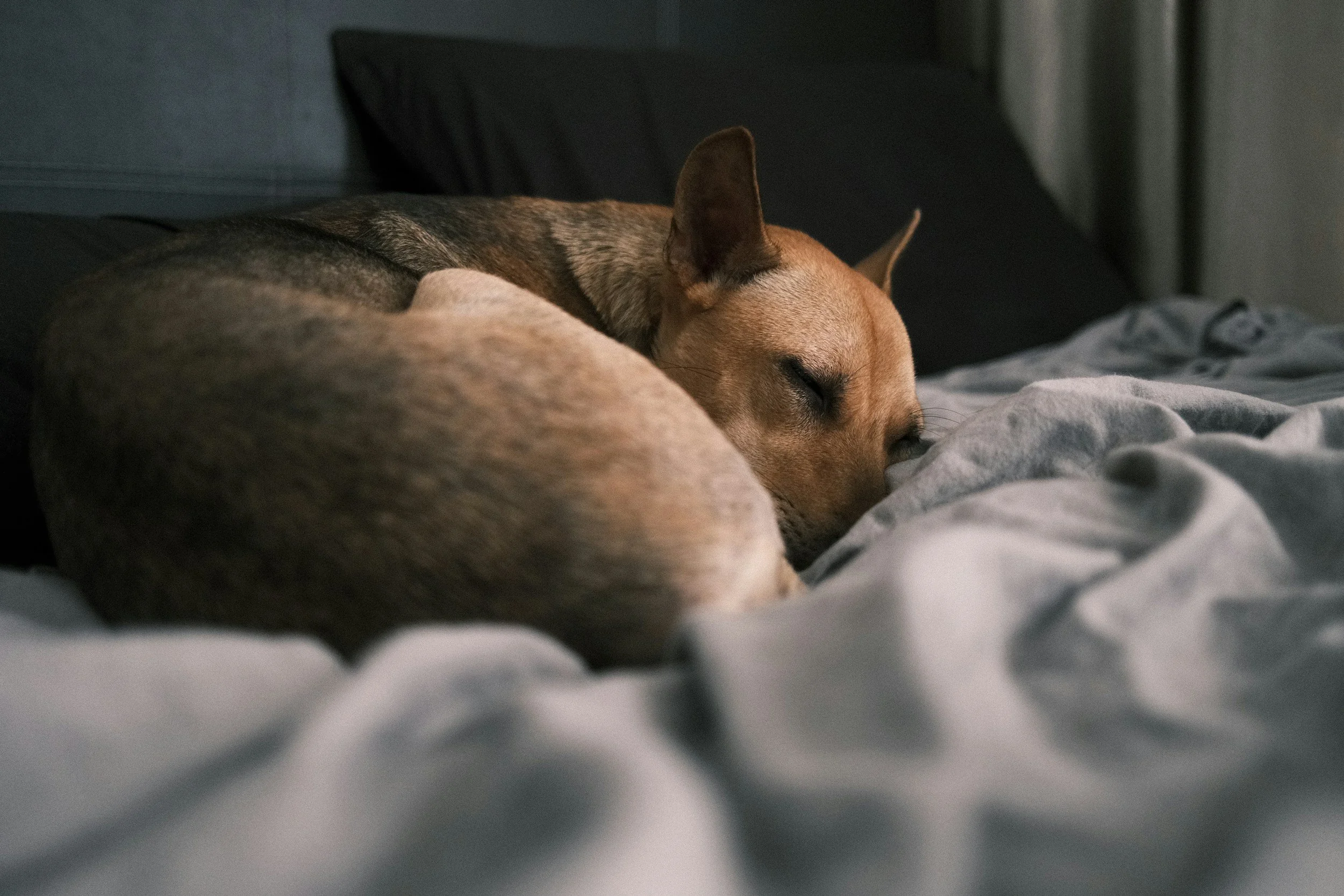
First things first, let's figure out why your dog might be restless. Understanding the root cause is key to finding the right solution.
Dogs can be restless at night for several reasons, including:
1. Discomfort or Health Issues
Pain, itchiness, or other health issues might be causing them discomfort at night. Dogs are masters at hiding pain, so subtle signs of discomfort can often go unnoticed. Check for any signs of discomfort like excessive scratching, licking, or changes in behavior. Regular vet check-ups can help catch potential health issues early.
2. Dietary Reasons
What your dog eats and when they eat can impact their restlessness. Certain foods might cause digestive issues or provide too much energy. Monitor their diet closely and consider the timing of their meals. Feeding them too close to bedtime might not allow enough time for digestion, leading to discomfort during the night.
3. Anxiety
Just like humans, dogs can get anxious. Anxiety in dogs can manifest from a variety of sources. Changes in routine, loud noises, or even something they saw earlier in the day can trigger anxiety. Recognizing these triggers can help you address them directly. For instance, if loud noises are a problem, consider soundproofing your dog's sleeping area or using a white noise machine to mask sudden sounds.
4. Energy Levels
Some dogs just have too much energy at the end of the day. This might be because they didn't get enough exercise or mental stimulation. High-energy breeds especially need a good amount of physical activity to tire them out. You might need to increase the duration or intensity of their exercise routine. Additionally, introducing more variety in their play can keep them mentally engaged.
Creating a Relaxing Environment
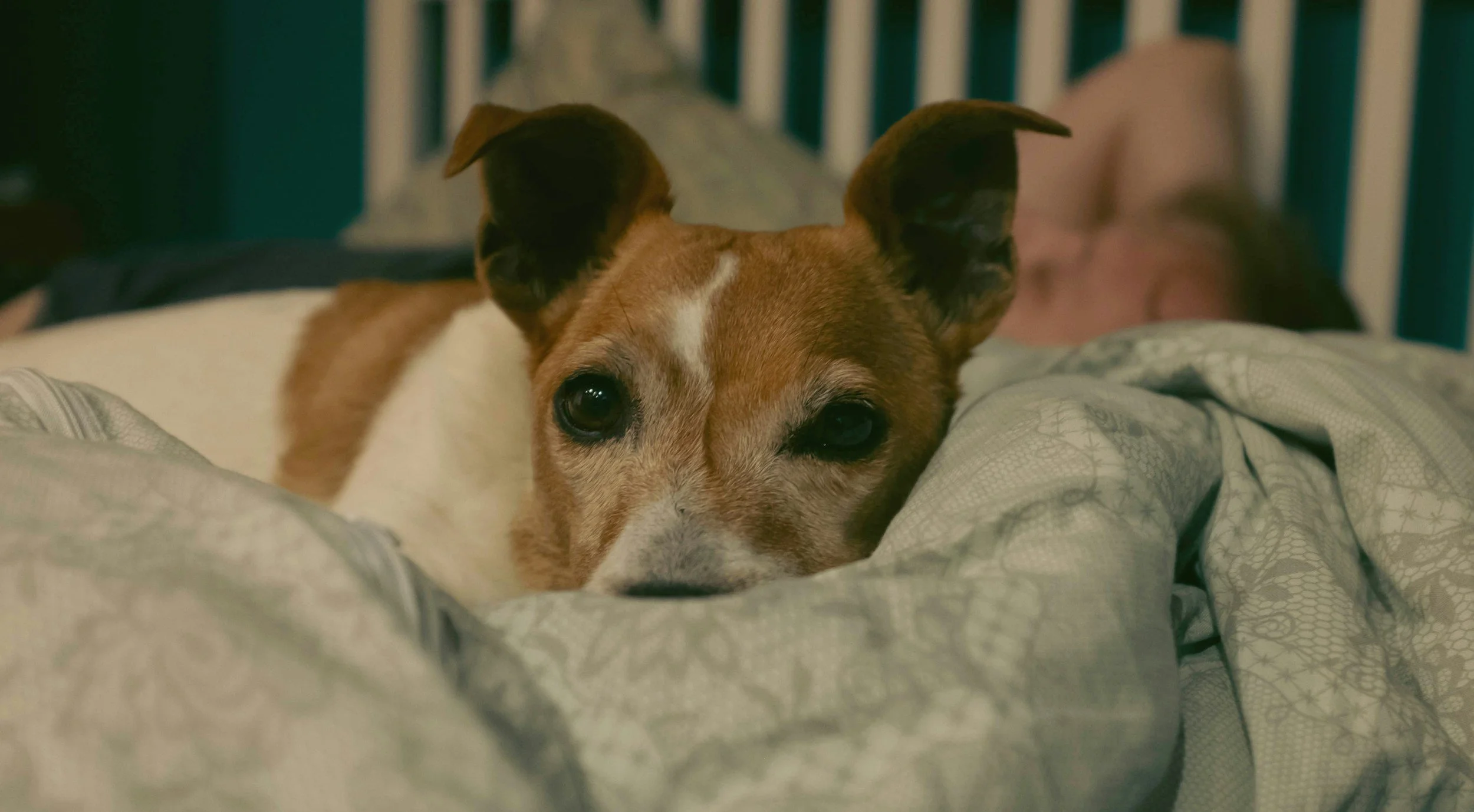
A calm, comfy environment can do wonders for a restless pup. Here are some tips to create the perfect sleep space for your dog:
Consistent Routine
Dogs thrive on routine, so try to keep their bedtime consistent.
A set routine signals to your dog when it's time to wind down.
This includes setting specific times for feeding, walks, and play.
Consistency helps manage their expectations and reduces anxiety associated with unpredictability.
Crate Set up & Crate Training
If your dog uses a crate, ensuring it's set up correctly is essential for their comfort and security.
The crate should provide enough space for your dog to stand up, turn around, and stretch out comfortably.
A cramped crate can lead to restlessness and discomfort, making it harder for your dog to relax.
You can personalize the crate by adding a soft bed or blanket to create a cozy environment—as long as your pup won’t chew/swallow soft items
Consider placing the crate in a quiet, low-traffic area of your home where your dog can feel safe and undisturbed during the night.
Effective crate training is essential for helping your dog feel secure and relaxed in their sleeping area.
A well-trained dog is more likely to view their crate as a safe haven rather than a place of confinement.
To start crate training, introduce your dog to the crate gradually.
Use positive reinforcement techniques, such as treats and praise, to create positive associations with the space.
Begin by encouraging your dog to enter the crate voluntarily and reward them for doing so.
Once your dog is comfortable entering the crate, start closing the door for short periods while you remain nearby.
Gradually increase the duration as your dog becomes more relaxed. Remember, patience is key; never force your dog into the crate, as this can lead to fear and anxiety.
Once your dog is confidently crate trained, they will likely feel more at ease during bedtime, allowing them to relax and enjoy a restful night's sleep.
Type of Dog Bed
Make sure your dog has a comfortable bed.
It should be the right size, supportive, and in a quiet part of the house.
A bed that's too small or too hard can lead to discomfort and restlessness. Consider orthopedic beds for older dogs or those with joint issues.
Regularly wash the bedding to keep it fresh and free of any allergens.
Soothing Sounds
Some dogs find comfort in soothing music or white noise. There are even playlists specifically designed for dogs!
Experiment with different sounds to see what your dog responds to best.
Some dogs may prefer classical music, while others might find nature sounds more calming.
The key is to find a sound that promotes relaxation and masks any disruptive noises.
Anxiety Wraps
These snug wraps, like the ThunderShirt, can help calm an anxious dog by applying gentle pressure. The sensation is similar to swaddling an infant, providing a sense of security. Introduce the wrap gradually and monitor your dog's response to ensure they're comfortable.
Aromatherapy
Essential oils like lavender can be soothing, but always ensure they're safe for dogs and used correctly. Diffusers should be placed out of reach, and oils should never be applied directly to your dog's skin. Aromatherapy can create a calming atmosphere, but it's important to use these products with caution to avoid any adverse reactions.
Exercise, Enrichment and Play
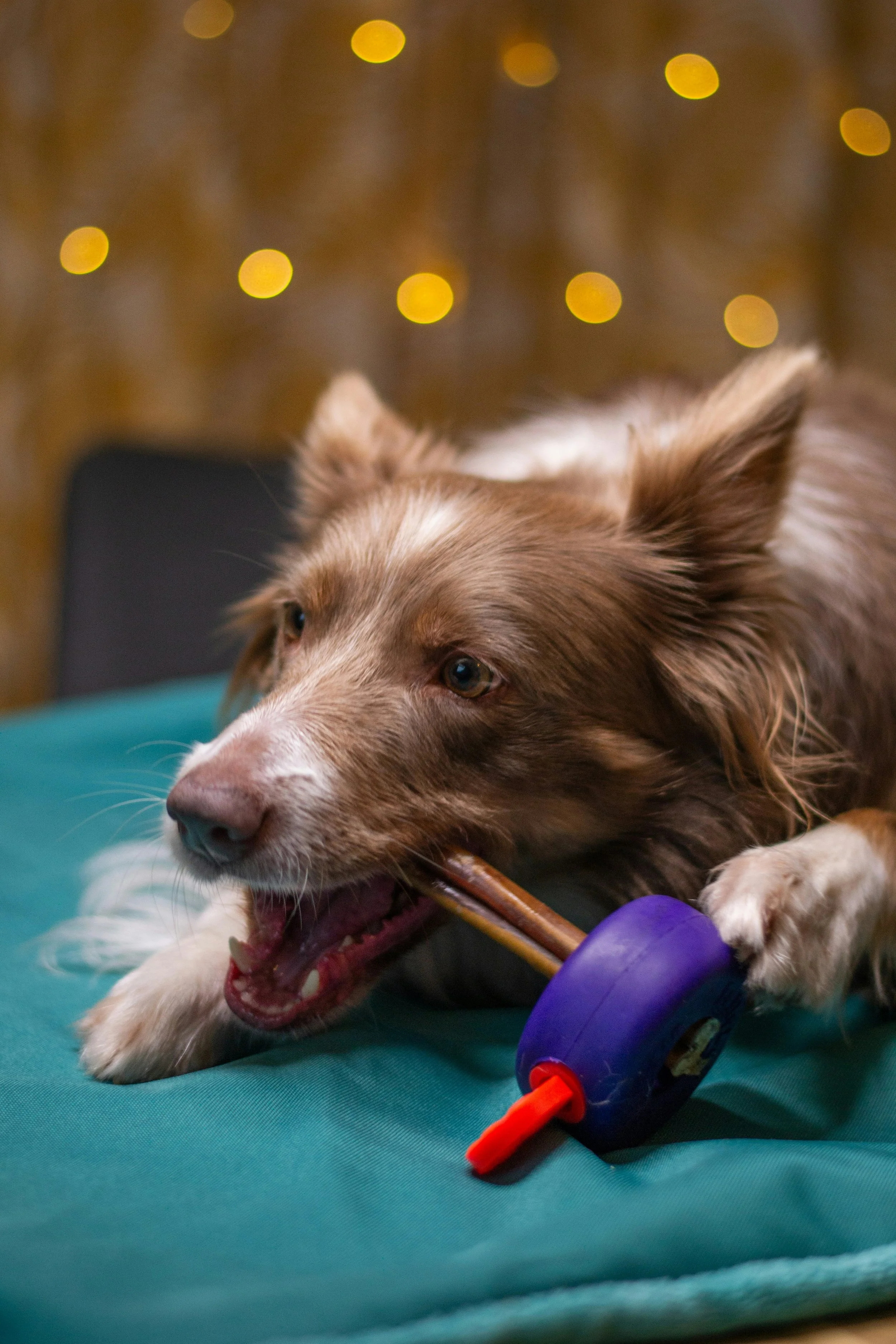
by Dirk Gonçalves Martins (https://unsplash.com/@kokaleinen)
Ensuring your dog gets enough exercise during the day can help them settle down at night. Here's how you can make sure they're getting enough activity:
-Daily Walks
Regular walks help burn off excess energy and provide mental stimulation. Walking your dog also strengthens the bond between you two and gives them a chance to explore their environment. Try to vary your routes to keep things interesting for both you and your pup.
-Interactive Play
Engage your dog in interactive playtime with toys or games like fetch or tug-of-war. These activities not only tire them out but also provide mental stimulation. Rotate toys regularly to maintain your dog's interest. Playtime is also an excellent opportunity for training, reinforcing good behavior through positive reinforcement.
-Mental Stimulation
Consider puzzle toys or training sessions that challenge their brain. Mental exercises can be just as tiring as physical ones. Introduce new tricks or commands to keep their mind sharp. Look for interactive toys that dispense treats or require problem-solving to access a reward, providing both entertainment and mental engagement.
Training for Calmness
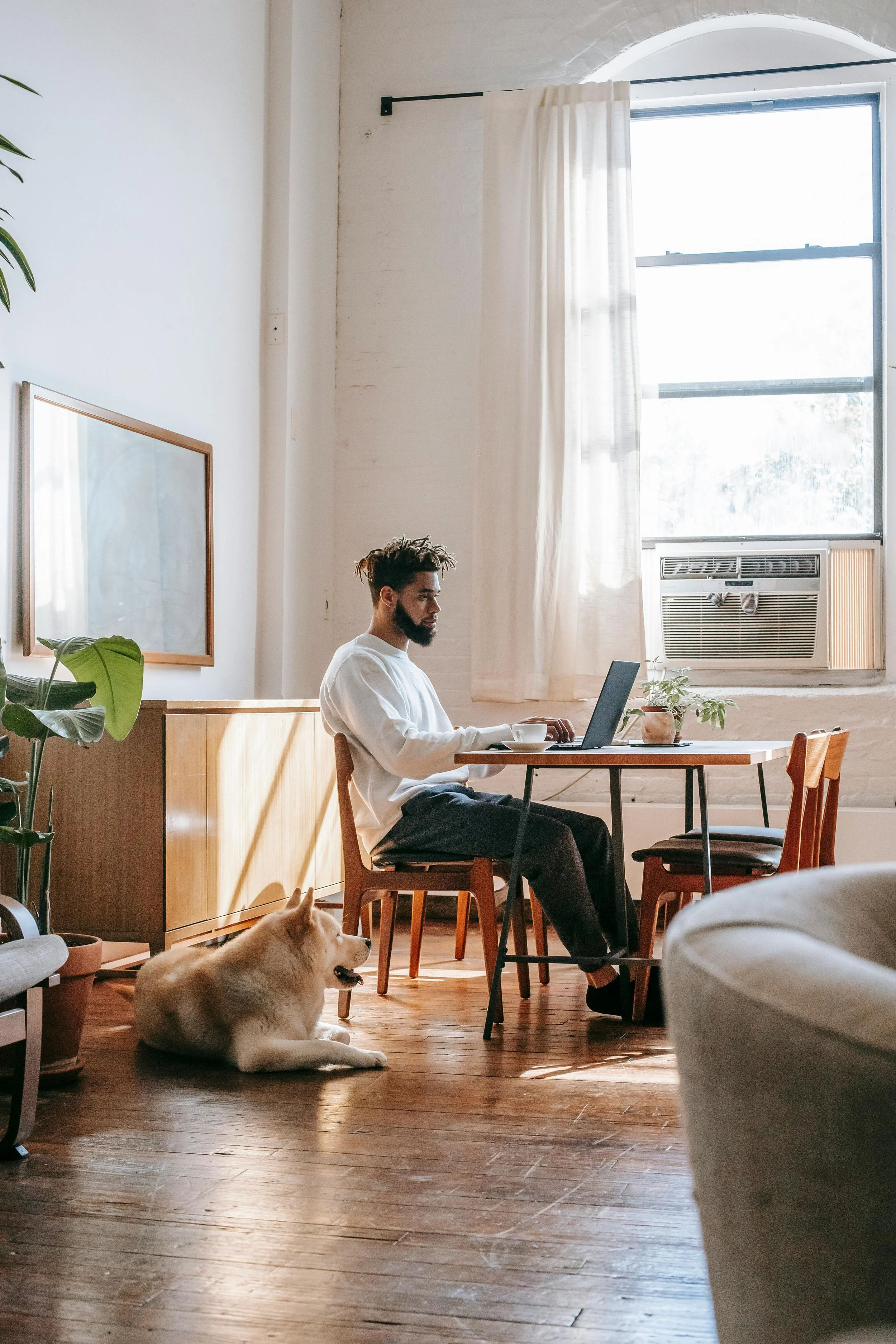
Training your dog to be calm is a long-term solution that can greatly improve nighttime restlessness:
Basic Commands
Ensure your dog knows basic commands like "sit" and "stay." This gives them a sense of structure and control. Consistent training reinforces good behavior and provides mental stimulation. Use positive reinforcement techniques to encourage compliance and reward calm behavior.
Relaxation Training
Teach your dog to relax on command. Reward them when they show calm behavior. Start with short relaxation sessions and gradually increase the duration. Use a calm voice and soothing touch to reinforce the desired behavior, creating a positive association with relaxation.
Desensitization
Gradually expose your dog to triggers that might cause anxiety and reward them for staying calm. Start with low-intensity exposure and slowly increase the intensity as your dog becomes more comfortable. This process requires patience and consistency but can significantly reduce anxiety over time.
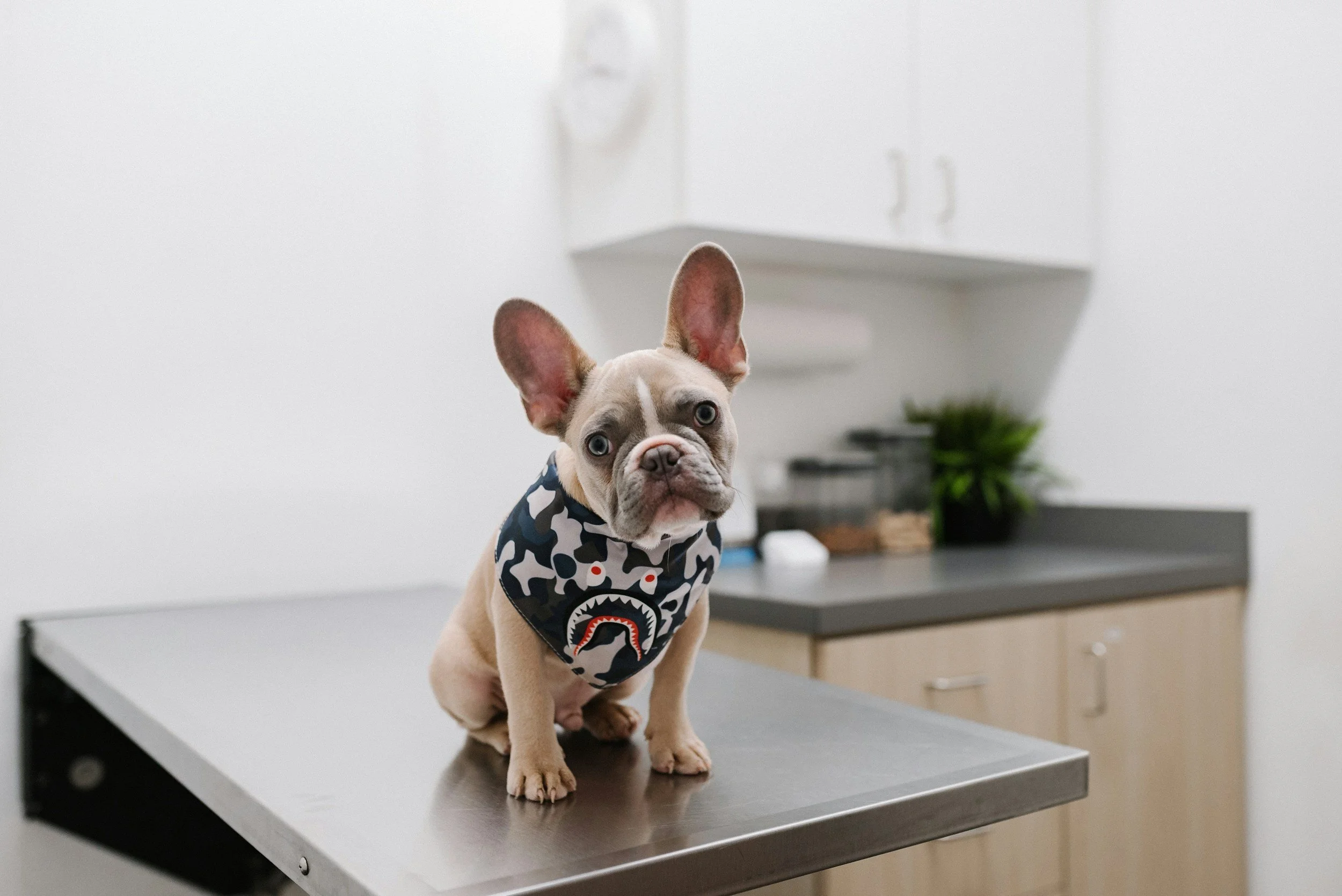
Addressing Health and Dietary Needs
If your dog's restlessness seems sudden or unusual, it might be time for a vet visit. Here are some things to consider:
Health Check
Rule out any medical issues that might be causing discomfort or pain. A thorough examination by a vet can identify underlying health problems. Early detection and treatment of conditions can prevent long-term issues and improve your dog's quality of life.
Diet Adjustments
Ensure your dog's diet is balanced and that they're not eating too close to bedtime. Consult with your vet or a pet nutritionist if you have concerns about your dog's diet. A proper diet supports overall health and can reduce restlessness caused by digestive discomfort or nutritional imbalances.
Routine Vet Visits
Regular check-ups are essential to maintaining your dog's health. Routine visits allow for the early detection of potential health issues and ensure vaccinations and preventatives are up to date. A healthy dog is more likely to be a calm and happy dog.
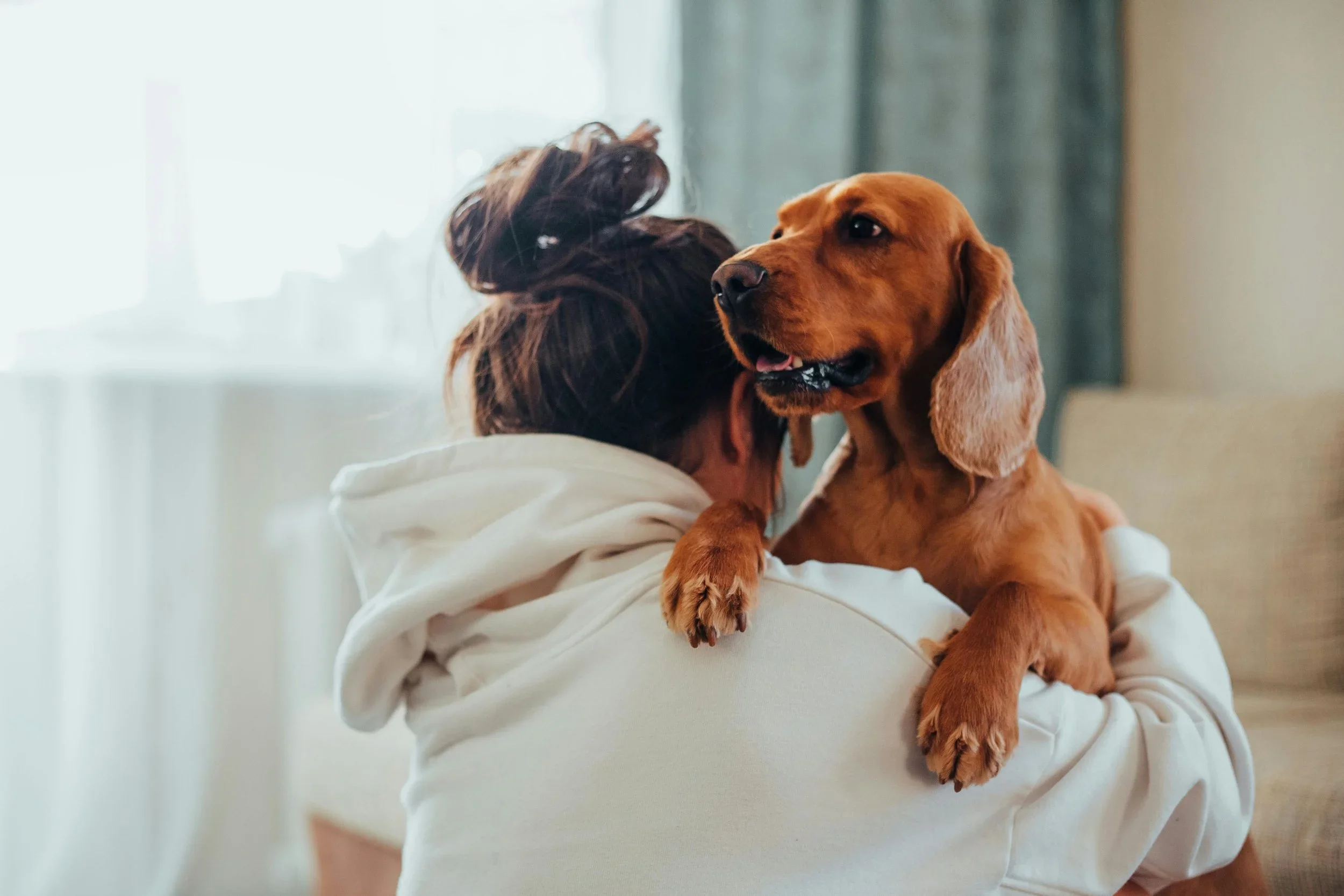
Building a Bond
A strong bond with your dog can help reduce anxiety. Spend quality time with your dog during the day, so they feel secure and loved:
Quality Time
Spend time petting and talking to your dog. They'll appreciate the attention and feel more at ease. Engage in activities you both enjoy, such as walks or playtime, to strengthen your connection. A strong bond fosters trust and security, reducing anxiety and promoting relaxation.
Consistent Cues
Use consistent cues and commands to build trust and understanding. Consistency in communication helps your dog understand what is expected of them. This clarity reduces confusion and anxiety, leading to a more relaxed and confident dog.
Positive Reinforcement
Encourage and reward calm behavior consistently. Positive reinforcement builds confidence and encourages your dog to repeat desired behaviors. Celebrate small successes and progress, reinforcing a positive and trusting relationship.
Helping a restless dog calm down at night takes patience and understanding.
By creating a comfortable environment, ensuring they get enough exercise, and addressing any health or dietary concerns, you can help your dog get the restful sleep they need. Remember, each dog is unique, so be patient as you find what works best for your furry friend. Happy sleeping to both you and your pup!
Explore My Services
Puppy Training | Obedience Training | Reactivity Training | Behavior Modification | Puppy Board & Train
Questions about private training, process, or board and train? Reach out!