
How to Choose a Dog Trainer
Choosing the right dog trainer is crucial for your dog's development. It can make a big difference in their behavior and your relationship.
A good trainer helps you understand your dog's needs and how to communicate effectively.
With so many options, finding the right fit can be overwhelming. You want someone who uses humane methods and has the right experience. It's important to consider their qualifications and approach to training.
This guide will help you navigate the process of selecting a dog trainer. We'll cover what to look for and questions to ask. By the end, you'll feel confident in making an informed decision.
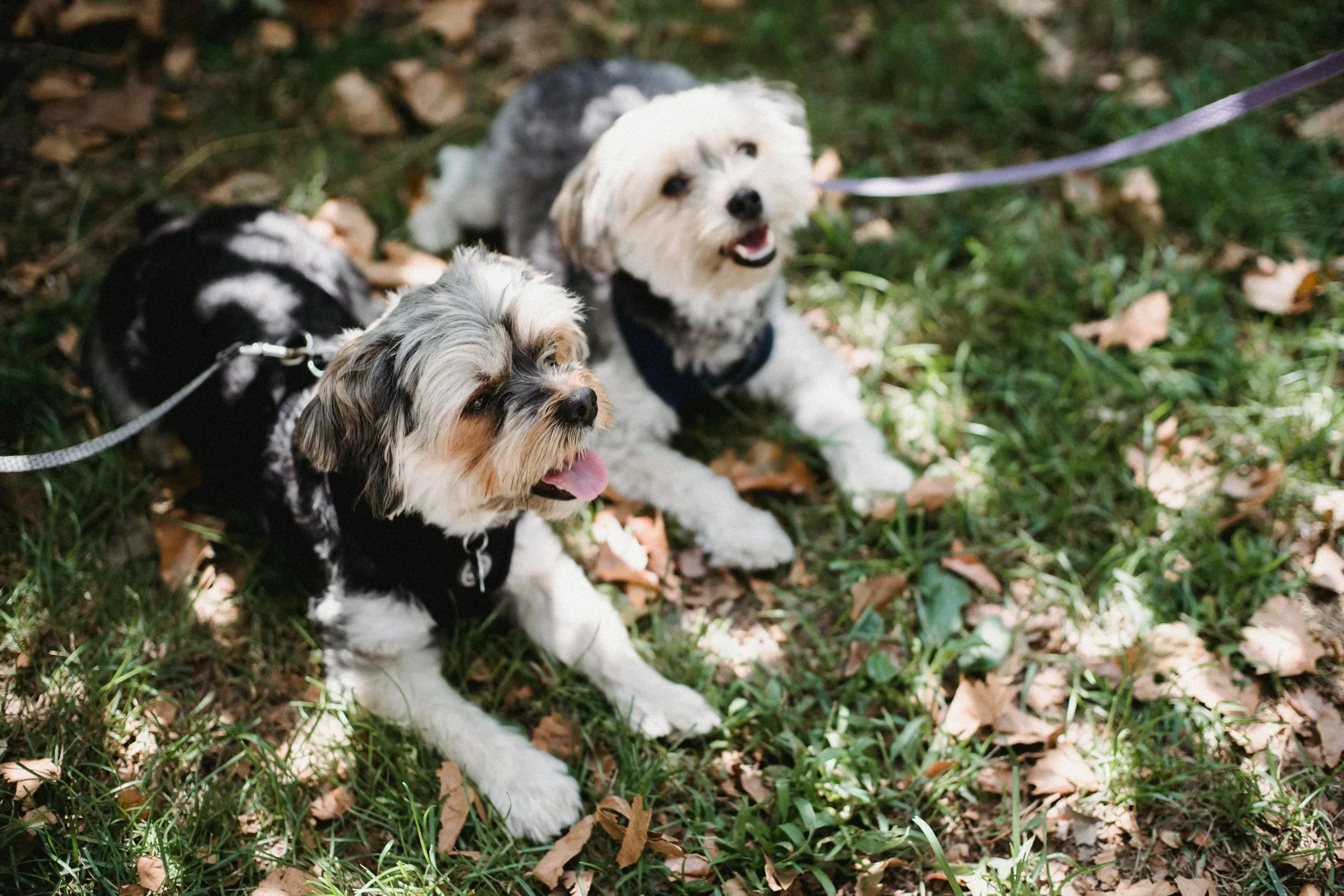
Why Professional Dog Training Matters
Professional dog training lays the foundation for a well-behaved dog. It enhances communication, builds trust, and strengthens your bond with your pet. Both you and your dog benefit from expert guidance.
When considering dog training, there are several key points to keep in mind:
Improves socialization skills
Addresses behavioral issues
Strengthens owner-dog communication
Many behavior problems can be resolved with the help of a skilled trainer. Having someone who understands dog psychology can make a big difference. Training helps you and your dog navigate everyday challenges with ease.
Types of Dog Training: What Are Your Options?
Understanding the different types of dog training available helps you choose the best fit for your needs. Each option offers unique benefits and approaches.
One common form is group classes. These are great for socialization and learning in a diverse environment. The presence of other dogs adds value to the experience.
Private sessions provide one-on-one attention. This is useful for addressing specific behavioral issues and tailoring lessons to your dog's pace. Personalized training can tackle unique challenges effectively.
Lastly, board-and-train programs involve sending your dog to stay with the trainer. This option is intensive and can yield fast results. However, it requires finding a very trustworthy trainer.
Group classes
Private sessions
Day training
Drop-off training
Board-and-train programs
Take your dog's personality and needs into account when selecting a training method. Each option has its own strengths.
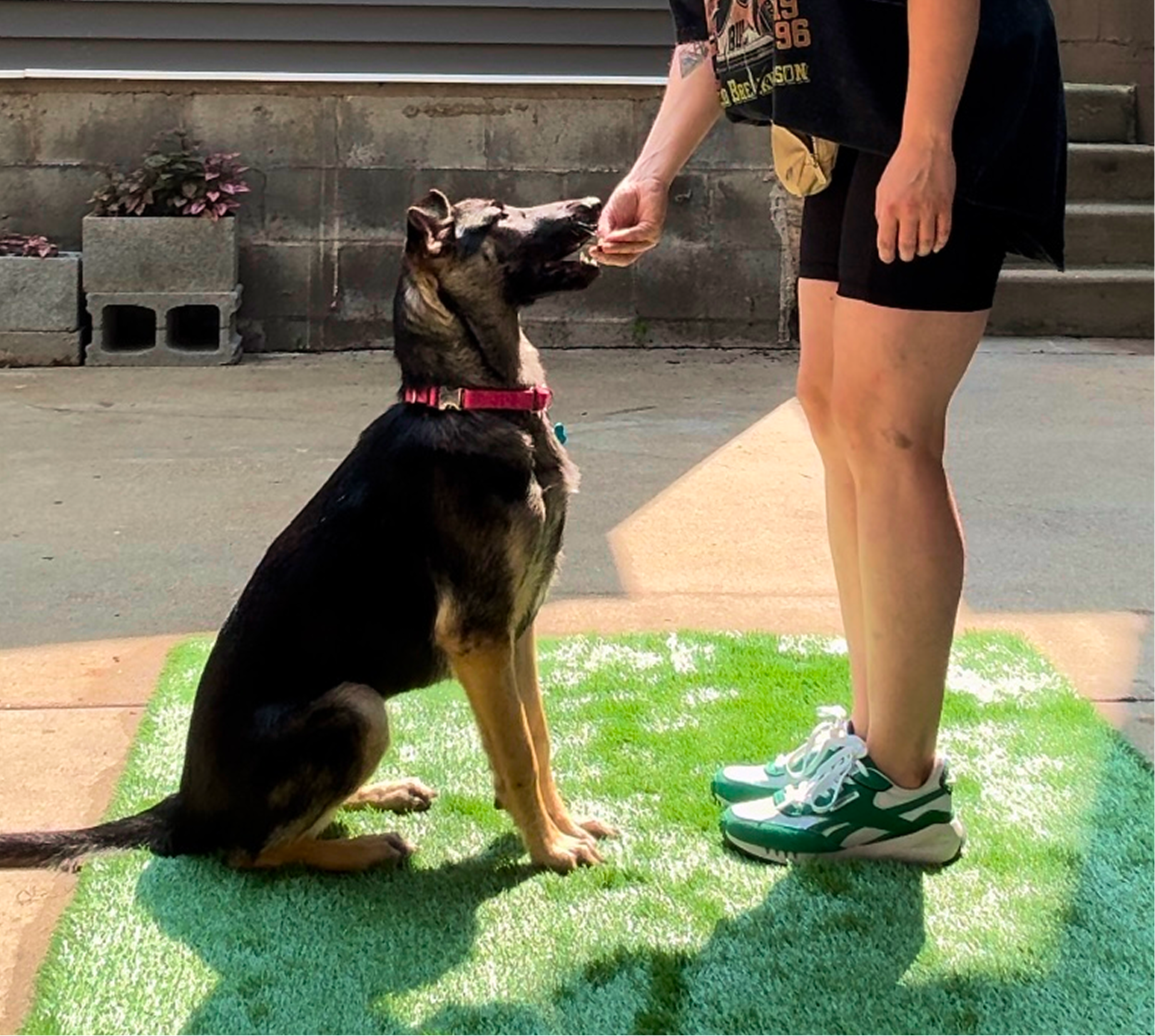
What to Look for in a Dog Trainer
Choosing the right dog trainer requires a careful look at several aspects. It's important to consider their methods and philosophy.
Qualifications and certifications are essential indicators of expertise. Look for trainers with credentials like CPDT-KA or KPA-CTP. These show a commitment to professional development.
Experience with your dog's breed and issues matters. A trainer familiar with your dog's specific behavior needs can tailor their approach effectively. This can improve training outcomes significantly.
Watch for a positive reinforcement approach. Avoid trainers using harsh or aversive techniques. Humane methods build trust and encourage learning.
Finally, ask for references or testimonials. Feedback from other dog owners can offer insights into the trainer's effectiveness and style.
Qualifications and certifications (CPDT-KA, KPA-CTP)
Experience with specific breeds and issues
Positive reinforcement methods
References or testimonials from past clients
Prioritize a trainer whose philosophy aligns with your values. Their approach should resonate with how you want to interact with and train your dog.
Understanding Training Methods and Philosophy
Training methods greatly impact your dog's learning process and emotional well-being. A focus on positive reinforcement encourages your dog's engagement and enthusiasm in training. It leverages rewards like treats and praise to reinforce good behavior.
Aversive methods, on the other hand, rely on punishment, which can lead to fear and anxiety. Avoid trainers who use choke chains or prong collars. Such practices harm your dog's trust and may cause behavioral issues.
Discuss the trainer's overall philosophy before committing. It’s crucial that their approach aligns with humane and ethical standards. Ask them how they handle unwanted behaviors and reinforce positive ones.
Here's a quick checklist to consider:
Positive reinforcement versus aversive techniques
Use of humane tools and practices
Alignment with ethical training standards
Handling of unwanted behaviors
Choosing a trainer with a compassionate approach fosters a deeper bond with your dog and enhances the learning experience.
Questions to Ask Before You Commit
Before signing up with a trainer, asking the right questions can make a world of difference. This not only ensures clarity but also aligns expectations with outcomes. Your dog's well-being and your peace of mind depend on it.
Start by asking about the trainer’s qualifications and experience with your dog's breed. Understanding their background will help you determine if they're the right fit. Check if they're certified by a recognized body like the CPDT-KA.
Inquire about their training philosophy, and how they adapt it to individual dogs. It's important to know that they can tailor methods to suit your dog's unique personality and needs. An adaptable trainer is a versatile one.
Here's a handy list of questions to consider:
What are your training qualifications and experience?
Can you describe your training philosophy?
How do you tailor training to individual dogs?
What do past clients say about your work?
Evaluating Experience, Credentials, and Reputation
Choosing a dog trainer is not just about techniques, but also trust in their background.
Experience and credentials often reflect a trainer’s skill and knowledge. A certified trainer is usually well-versed in modern, humane methods.
Look for certifications like CPDT-KA or KPA-CTP, indicating a strong grounding in dog behavior. These credentials show a commitment to understanding canine psychology. Membership in professional organizations, like APDT, is also a positive sign.
Reputation matters immensely, too. Start by checking online reviews and seeking recommendations from local dog owners. Previous clients' experiences can reveal a lot about the trainer’s success and reliability.
Here's what to focus on when evaluating a trainer:
Relevant certifications and training credentials
Membership in professional dog training organizations
Positive client reviews and testimonials
Consistent application of ethical training methods
Cost of Dog Training: What to Expect
Understanding the cost of dog training helps in planning your budget effectively. Training fees can vary widely, influenced by several factors. These include the trainer’s experience, location, and the type of training offered.
Private sessions typically cost more due to personalized attention. Group classes are more affordable and can be a great way for socialization. If you're considering specialized training, like behavior modification, expect higher fees.
It's important to compare prices to find what's reasonable in your area. Don't forget to consider the value offered, not just the price. Balancing cost with quality can ensure the best outcome for your dog.
Here's a general idea of what you might encounter:
Puppy classes in Chicago: $45-$80 per class
Private sessions in Chicago: $100-$200 per hour
Group classes in Chicago: $45-$80 per class
Board-and-train programs: $500-$1250 per week
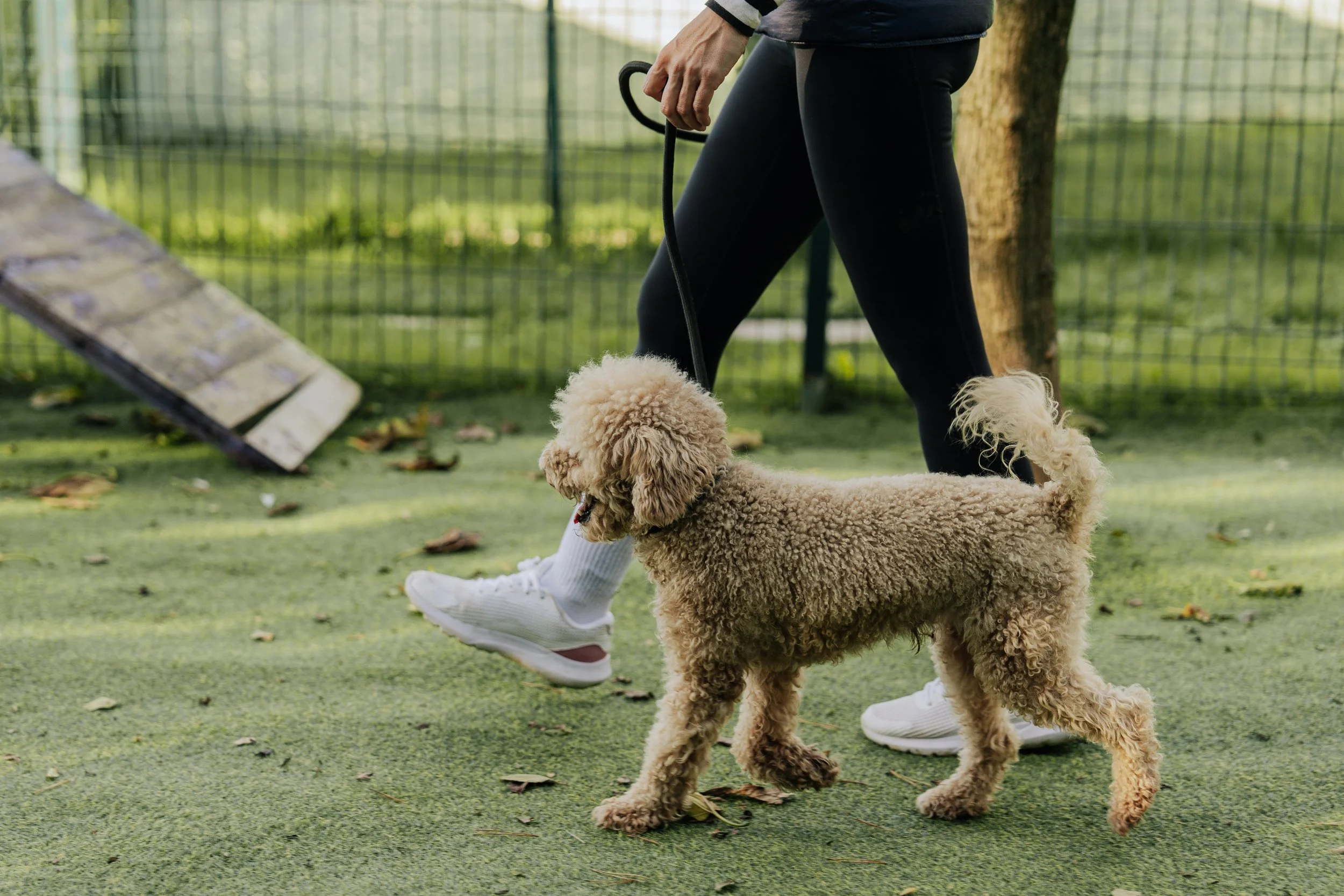
Observing a Trainer in Action
Seeing a trainer at work gives valuable insights. It helps gauge their interaction style with dogs and owners. Pay close attention to how dogs respond to the trainer's techniques.
Take note of the training methods used. Positive reinforcement should be the primary approach. A skilled trainer manages a group class efficiently and maintains a calm environment.
Watching a session can help you decide if the trainer's style suits your dog’s needs. It also reassures that the methods used align with your training philosophy. This observation can be a critical step in your decision-making process.
Red Flags to Watch Out For
Choosing the right dog trainer means knowing what to avoid. Some signs suggest a trainer might not be a good fit. Be mindful of these red flags.
Beware of trainers who refuse to answer your questions. Transparency is crucial for trust and understanding. If a trainer criticizes your dog without offering solutions, take caution.
Here are some red flags to consider:
Use of aversive techniques or tools
Lack of certification or credentials
Poor communication or dismissiveness
Negative reviews or testimonials
Unwillingness to allow observation of sessions
These warning signs can save you from an ineffective or harmful training experience.
Making the Final Choice: Setting Up for Success
When deciding on a dog trainer, reflect on your dog's needs and your goals. Ensuring alignment with your expectations sets the foundation for successful training. Communication with the trainer is key to reaching your objectives.
Consider creating a checklist to guide your final decision:
Compatibility with training methods
Clear understanding of goals
Positive interactions with your dog
Experience with similar issues
Once you've chosen, establish clear expectations from the start. Discuss the training plan, and ensure it fits your lifestyle and dog's temperament. Open dialogue fosters a positive training journey and helps address any concerns promptly. This partnership with your trainer can enhance both your life and your dog's, providing long-lasting benefits.
Building a Better Bond With Your Dog
Choosing the right trainer is a step toward a strong relationship with your dog. The right guidance can improve communication and understanding between you two. Training is not just about commands; it’s about building trust.
Investing in training shows your commitment to your dog's well-being. With the right trainer, you can foster a deeper connection and a happier life together. Remember, the effort you put into training today strengthens your bond for the years to come.
Interested in Private Training in Chicago, IL?
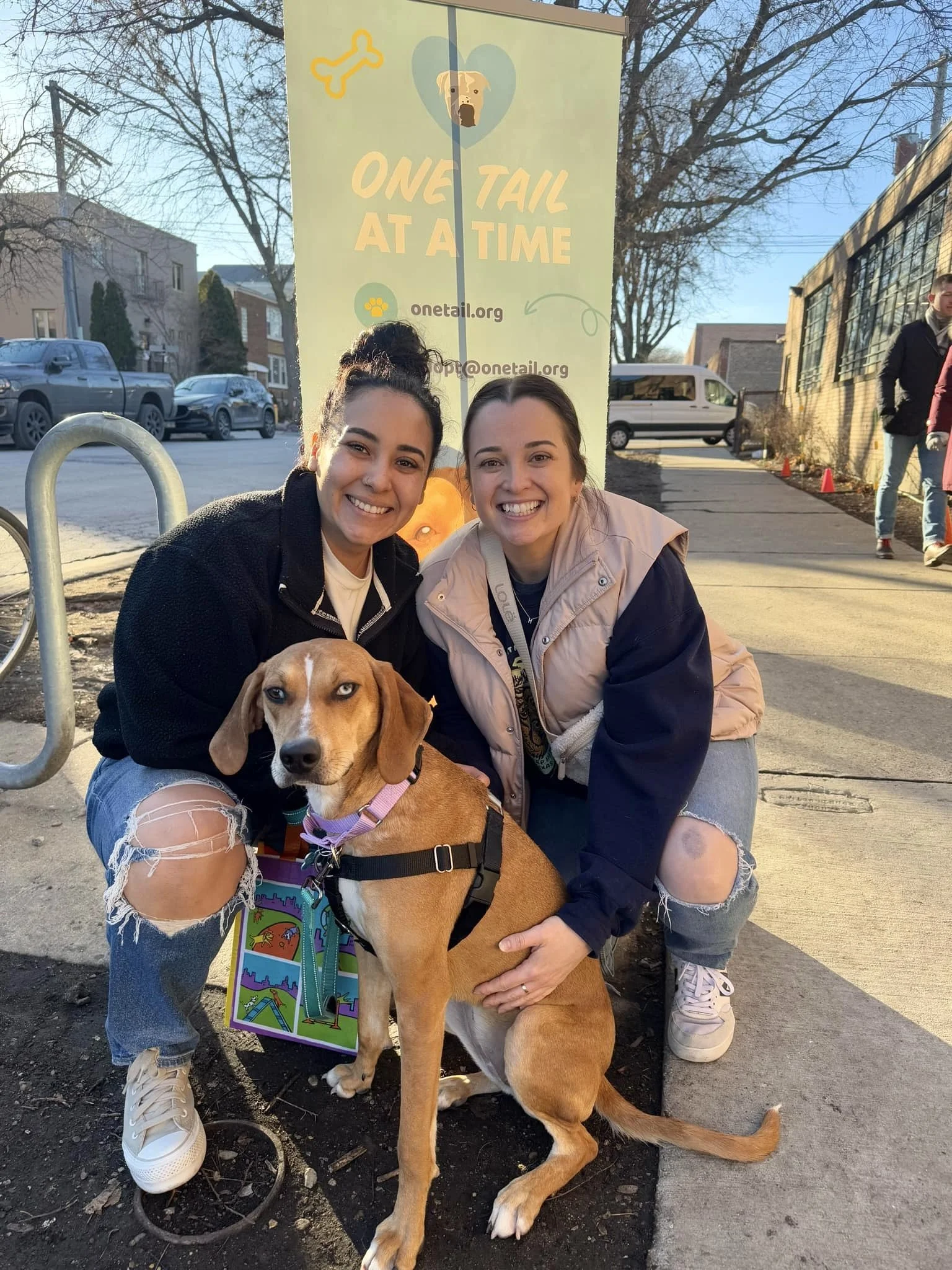
One of my 4 dogs, Hazelnut the hound 🖤
I’m Hailey Mott (CPDT-KA) and I’d love to help
I serve Chicago with compassionate, effective at-home dog training using positive reinforcement methods—no harsh corrections, just results that last.
My approach is grounded in empathy and shaped by years of hands-on dog rescue work at One Tail at a Time and group class teaching with Copilot Dog Training. That experience taught me how to meet every pup and family where they are—no matter their background, breed, or temperament.
I use reward-based methods because they build trust, strengthen your bond, and create lasting behavior change without fear or stress. I can help with puppy training, basic obedience, leash walking & recall, reactivity and behavior modification.
Training with me is always approachable and easy to follow. I break things down in a way that makes sense and keep the process enjoyable for both ends of the leash. My goal is to help you and your dog build confidence, a stronger bond, and clear communication, because real progress happens when everyone's having a good time learning together.
Explore My Services
Puppy Training | Obedience Training | Reactivity Training | Behavior Modification | Puppy Board & Train
Questions about private training, process, or board and train? Reach out!