
Puppy Training in Chicago: When to Start and What to Teach First
Bringing home a new puppy is exciting, and let’s be honest… a little overwhelming. Between the accidents, the late night zoomies and shoe-chewing, it can feel like you suddenly adopted a furry toddler with teeth.
Thankfully, you don’t need to wait for your pup to “grow out of it.” The earlier you start training, the easier it is to prevent those habits from ever sticking around.
As a certified professional dog trainer (CPDT-KA) based in Chicago, here’s my take on when to start puppy training and what to focus on first to set your dog up for long-term success.

When to Start Puppy Training
You can start training as soon as your puppy comes home (usually around 8 to 10 weeks old) or as soon as your newly adopted pup has settled in 🧡 This doesn’t mean formal obedience lessons or strict structure. It means gentle, positive learning moments built into daily life.
Puppies are constantly learning from the environment — where to go potty, how to get your attention, and what gets them rewards (like jumping up or sitting politely). Early training simply teaches them the right way to earn those rewards.
Trainer Tip: If you wait until after vaccines to start, you’re missing a golden window for socialization. Training doesn’t mean taking your puppy to the park; it starts safely at home.
The Puppy Learning Timeline
Here’s what I recommend for most Chicago puppy parents:
8–12 weeks: Focus on socialization, name recognition, crate training, and gentle handling.
12–16 weeks: Add simple cues like sit, down, come, and leave it. Introduce short leash sessions.
16–20 weeks: Practice calmness around distractions, greeting manners, and patience.
5–6 months: Reinforce good habits in real-world environments — elevators, sidewalks, parks, and apartment lobbies.
By six months, your puppy should have a strong foundation for polite behavior — and you’ll be ahead of the “teenage phase” where boundaries get tested.
What to Teach First
1. House Training & Crate Training
For city pups, this one’s huge. Chicago weather doesn’t always make it easy, but consistency is your best friend.
Take your puppy out every 2–3 hours, after naps, meals, training, enrichment and play.
Praise and reward immediately after they finish outside (not when you come back in).
Keep potty pads for emergencies only — too much reliance can slow the process.
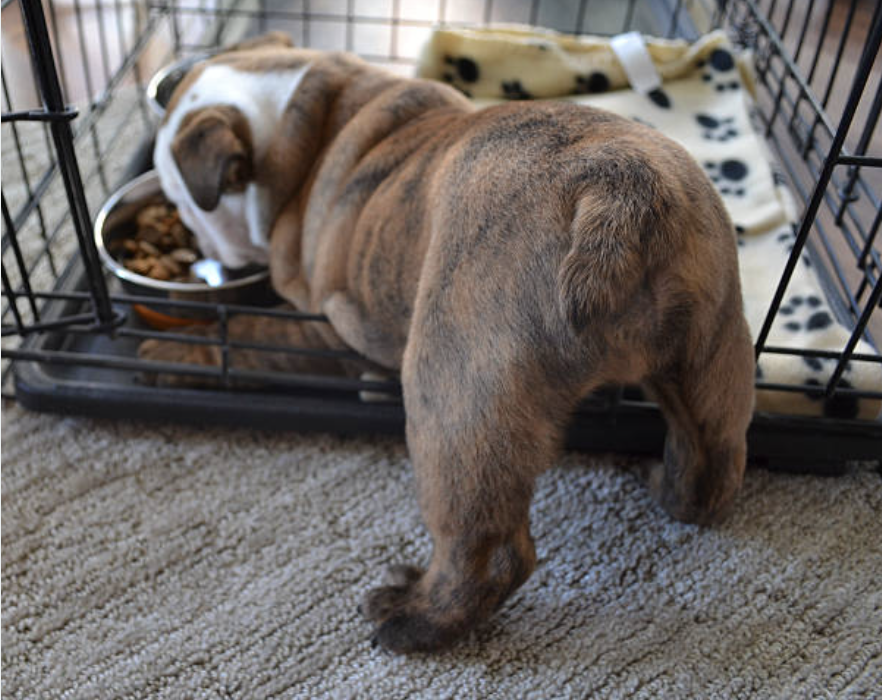
Crate training supports house training, too! It helps your puppy learn to “hold it” and builds independence.
2. Name Recognition
Before anything else, your puppy should know that hearing their name means, “Look at me!”
Keep it fun and simple: say their name once, reward with a treat or praise the moment they look your way.
Tip: Avoid repeating their name over and over — it should stay meaningful, not background noise.
3. Handling and Grooming Tolerance
Even if your puppy won’t need haircuts, they’ll still need vet exams, nail trims, and basic handling.
Practice gently touching their paws, ears, and mouth while giving treats. Pair every new experience — like brushing or collar handling — with something positive.
This early desensitization is what keeps grooming and vet care stress-free for life.
4. Calm Attention and Focus
Teach your puppy to check in with you.
Reward eye contact, sitting calmly, or waiting politely instead of jumping or barking.
In busy Chicago neighborhoods, this is huge — your pup will encounter dogs, people, bikes, buses, and all kinds of distractions. Calm focus keeps them safe and connected to you.
5. Basic Cues (Sit, Down, Come, Leave It)
Once your puppy can focus, start layering in foundational obedience.
Use short, upbeat sessions — one to two minutes max. Puppies have tiny attention spans!
Keep it light & fun!
“Sit” and “down” help build impulse control.
“Come” keeps them safe off-leash later.
“Leave it” prevents scavenging on sidewalks (a common Chicago challenge).
The Importance of Early Socialization
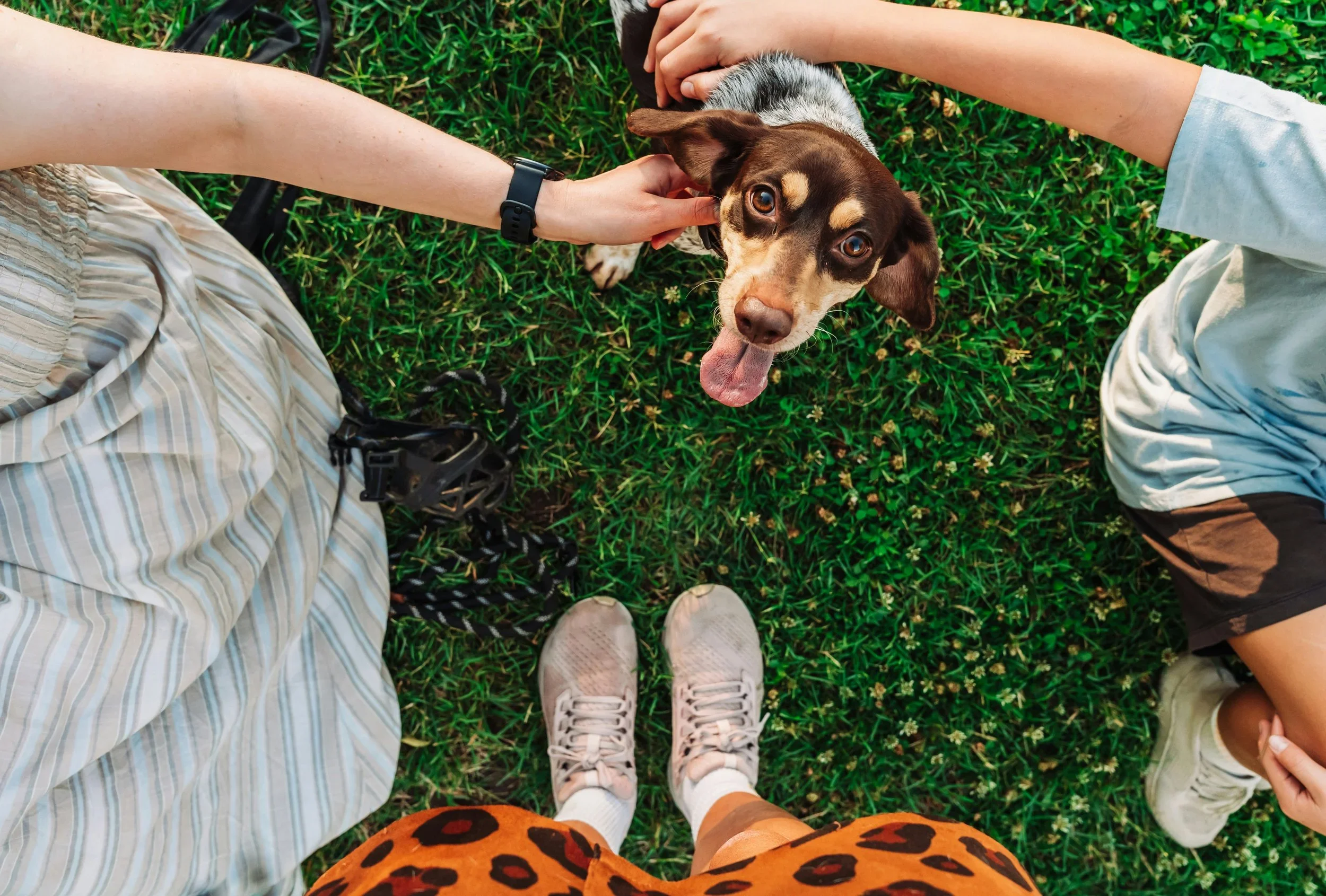
Between 8 and 16 weeks, puppies are in a critical socialization window. What they experience (or don’t) during this period shapes their confidence for life.
That doesn’t mean overwhelming them. It means gentle exposure to new sights, sounds, and people in positive, safe ways:
Elevator doors opening and closing
City traffic sounds from a distance
Different flooring (carpet, tile, concrete)
Umbrellas, wheelchairs, bikes
Calm exposure to friendly people and dogs
Socialization is about confidence, not chaos. The goal is calm curiosity; not “throw your puppy into every situation.”
Professional Training
If you’re feeling stuck, overwhelmed, or unsure where to start, that’s exactly what trainers like me are for. Or, even if you’re just looking for a fun bonding activity for you and your puppy, private training is a perfect fit!
A professional trainer can help with:
House training troubleshooting
Puppy biting and nipping
Fear or anxiety around new experiences
Confidence building for shy pups
Setting up good habits before issues develop
Early help prevents long-term frustration (and it’s usually cheaper than fixing ingrained habits later)
Ready to Start Training Your Puppy in Chicago?
Training your puppy early is the best investment you can make in their future behavior and your peace of mind.
If you’re in the Chicago area, I offer in-home puppy training sessions that focus on real-life skills and confidence-building for both you and your dog.
Together, we’ll create a plan that fits your puppy’s age, personality, and your lifestyle — whether that’s a downtown condo, a backyard bungalow, or somewhere in between.
Explore My Services
Puppy Training | Obedience Training | Reactivity Training | Behavior Modification | Puppy Board & Train
Questions about private training, process, or board and train? Reach out!