Rescue Dogs in Chicago: Helping Your New Dog Build Confidence in the City
Bringing home a rescue dog in Chicago is incredibly rewarding, but it can also come with a few challenges as your pup learns how to be in their new world. From people popping out of apartment elevators suddenly and traffic noises to crowded sidewalks of dogs and strangers everywhere, city life can feel overwhelming to a dog who’s adjusting to a brand-new world.
Thankfully, confidence can be built, step by step! With time, patience, and the right approach, even the shyest or most uncertain rescue dog can learn to feel safe and secure here.
Hi! I’m Hailey Mott, CPDT-KA, a certified dog trainer in Chicago. I specialize in helping adopted and rescue dogs settle in, gain confidence, and learn how to thrive in busy environments. If you’re looking for a personalized training plan for your new rescue dog, visit my Rescue Dog Training page ».
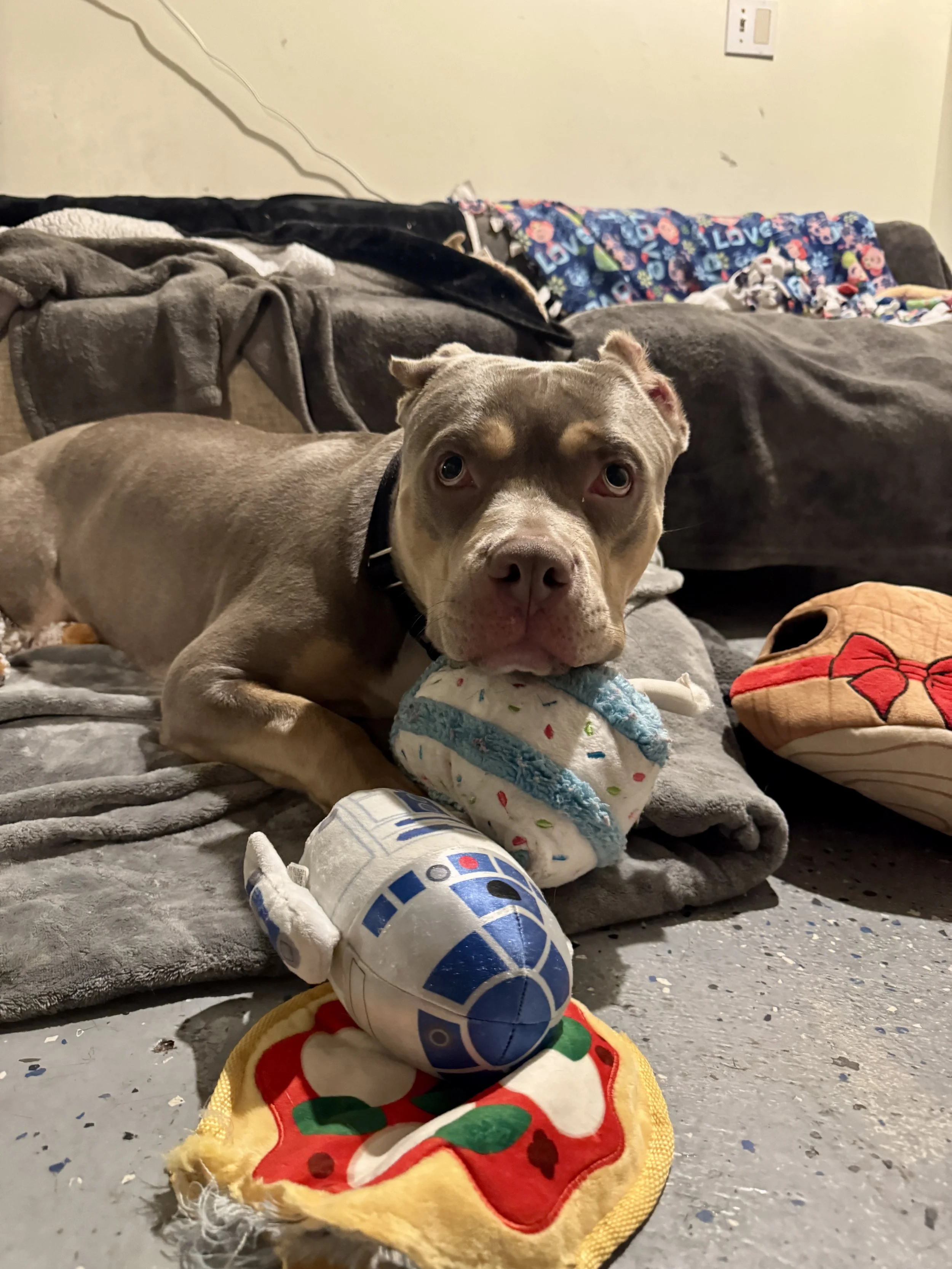
Sweetest boy Hammie (Hampson), adoptable through One Tail at a Time 🤍
Why Rescue Dogs Need Time to Adjust & Decompress
Every rescue dog comes with a story. Sometimes we know it, sometimes we don’t. Even the friendliest dog may feel uncertain in the first few weeks. They’re processing new sights, sounds, smells, and routines.
In Chicago, that means:
Traffic, sirens, and construction noise
Elevators and automatic doors
Tight sidewalks, apartment hallways and busy parks
Strangers and other dogs everywhere
Anything and everything that is new to your rescue pup that they’ve never experienced before
Your new dog isn’t being “difficult,” they’re just learning what’s safe. Our job is to help them do that gently and predictably.
Trainer Tip: Think of your dog’s first few weeks as a getting-to-know-you period, not a testing phase.
Step 1:
Start with a Calm Home Base
Before worrying about public walks or obedience, focus on helping your rescue dog feel secure at home.
Give them a quiet space like a crate, bed, or mat away from high-traffic areas.
Keep greetings low-key and predictable.
Use calm routines: same walk routes, consistent feeding times, and familiar words.
Structure helps dogs feel safe. Chaos, even if well-intentioned, adds stress. If your dog hides or hesitates, let them approach on their own timeline. Forcing interaction slows trust-building.
Step 2:
Explore the Neighborhood Slowly
When your rescue dog is ready to start walking outside, think gradual exposure over marathon adventures.
Begin with short, quiet walks (maybe just around your block)
Avoid busy intersections or dog-heavy parks at first.
Reward calm sniffing, looking around, or glancing at you.
If your dog freezes or balks, don’t drag them. Gently guide them away and reward with a treat. The goal isn’t “perfect walks.” It’s helping them realize the city isn’t scary.
Trainer Tip: Bring extra treats. Each positive experience outdoors builds emotional resilience.
Step 3:
Focus on Predictability, Not Perfection
Many rescue dogs come from environments where life wasn’t predictable — maybe a shelter, foster rotation, or outdoor living.
What helps most now is routine:
Same walk times
Same potty area
Consistent sleep and feeding schedule
Predictability builds confidence faster than any fancy cue or command. And if something spooks your dog (garbage trucks, skateboards, fireworks during July) just calmly move away, speak softly, and give them space. Confidence grows when they learn the world isn’t unpredictable after all.
Step 4:
Gentle Socialization and Positive Outings
Once your dog feels comfortable at home and on short walks, it’s time to slowly introduce more experiences. For city rescue dogs, that might mean…
Quiet trips to pet-friendly stores
Short visits to a calm park
Meeting one calm, friendly dog at a time
Practicing “sit” and “look at me” in low distraction places
Every outing is a chance to pair new experiences with good things: food, praise, and calm body language from you.
Avoid “flooding” — don’t overwhelm your dog with crowds, dog parks, or chaotic social scenes too soon.
Step 5:
Recognize and Celebrate Progress
With rescue dogs, success looks different for everyone. For some, it’s a confident walk past another dog. For others, it’s simply choosing to stay in the same room as you instead of hiding.
Celebrate those small (but really, huge!) wins. Each one builds trust, and trust is the foundation for everything else: obedience, calm behavior and even play.
When to Get Professional Help
If your rescue dog shows fear, shutdown behavior, or reactivity that feels overwhelming, that’s completely okay, it just means they need some extra guidance.
A certified dog trainer (CPDT-KA) who also works for one of the city’s largest dog rescues in Chicago, I can help you:
Identify triggers and comfort thresholds
Create confidence-building exercises
Strengthen communication through gentle structure
Working one-on-one in your home or neighborhood lets your dog learn in a familiar, safe setting. Learn more about how I help rescue dogs feel confident again on my Rescue Dog Training page.
Final Thoughts
Rescue dogs don’t need to start over, they just need time, understanding, and positive experiences to build trust. In a busy city like Chicago, that might take a little creativity and patience, but the reward is worth it: a dog who learns that the world is safe, people are kind, and they belong.
If you’d like guidance helping your rescue pup adjust to Chicago life, I offer in-home sessions that focus on confidence, communication, and calm. Questions? I’d love to help.