
The 3-Second Rule for Dogs: Why “Consent to Pet” Creates Safer, Happier Greetings
Many dogs enjoy affection, but not every dog enjoys being touched the same way or for the same length of time. Some need slower introductions. Some need space. And some simply need a moment to decide how they feel about a new person before being handled.
The 3-Second Rule, often called “Consent to Pet,” is a simple way to make greetings clearer and safer for both people and dogs. It teaches dogs that they have a choice and teaches humans how to read the dog’s comfort level without guessing.
As a certified dog trainer, I use this rule with puppies, adolescent dogs, rescues, and even confident adult dogs. It’s one of the easiest ways to reduce pressure, prevent reactivity, and build trust in everyday interactions.
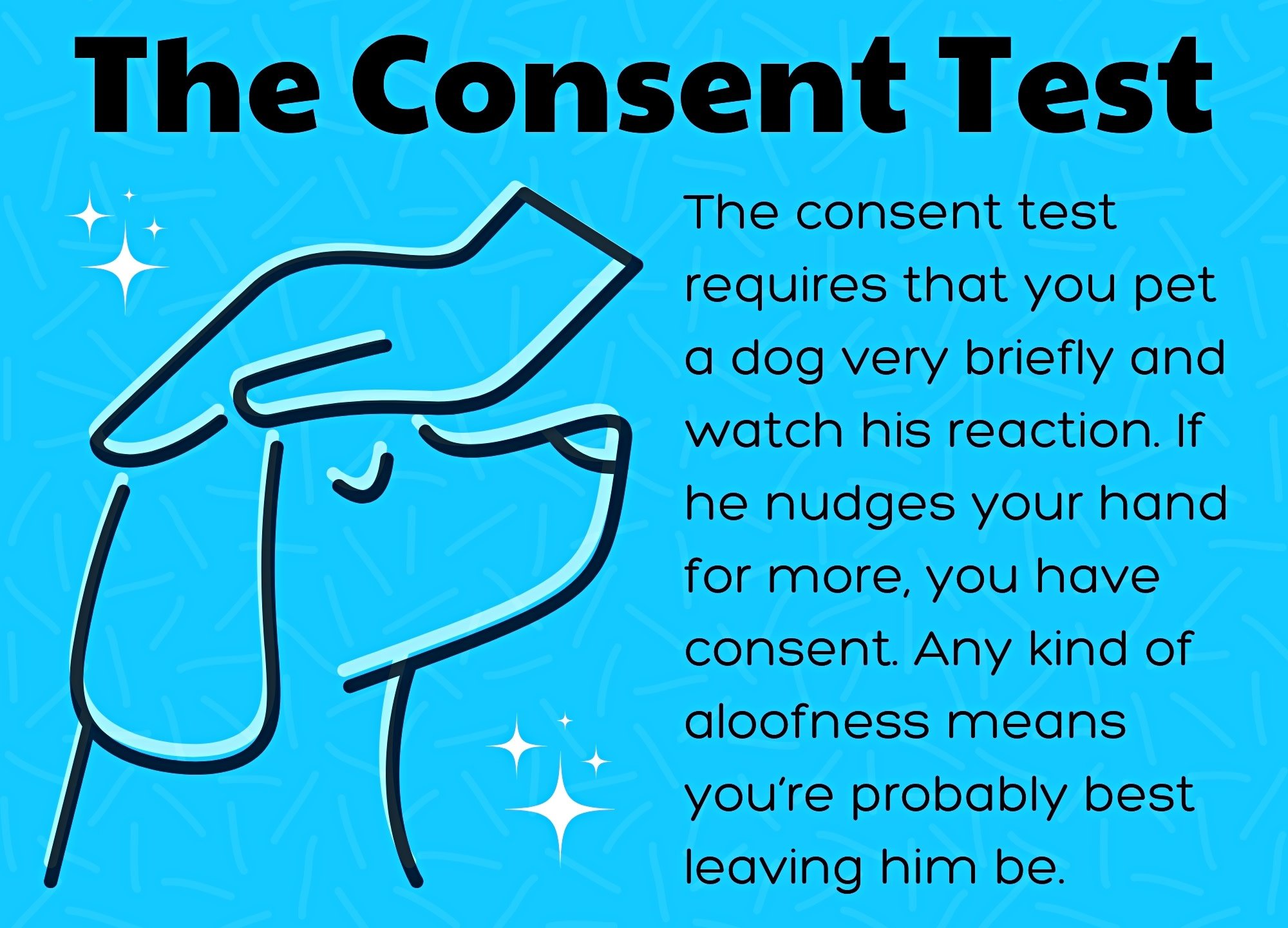
What Is the 3-Second Rule for Dogs?
The 3-Second Rule is exactly what it sounds like: A dog gets three seconds of gentle petting, and then you stop to check in with them.
The steps look like this:
Allow the dog to approach on their own.
Pet for three soft, slow seconds.
Pause.
Watch how the dog responds.
Continue only if the dog clearly asks for more.
This pause is the key. It creates space for the dog to say “yes” or “no” without having to escalate or move away abruptly.
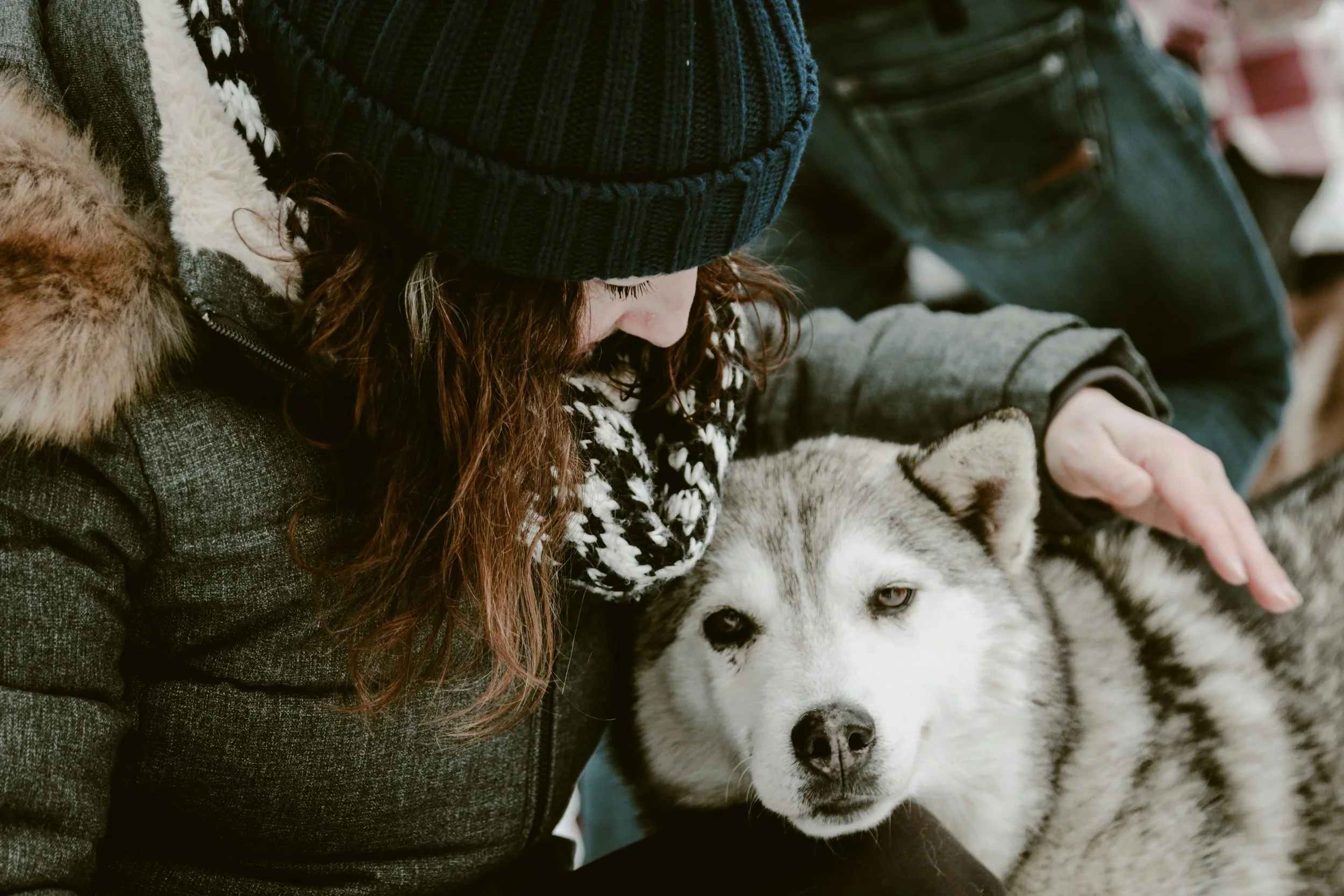
Signs a Dog Wants More Petting [Green Light]
When you pause after three seconds, look for “green light” behaviors:
Leaning their body toward you
Nuzzling your hand
Staying close or stepping forward
Relaxed posture and soft tail movement
These dogs are saying, “Yes, keep going.”
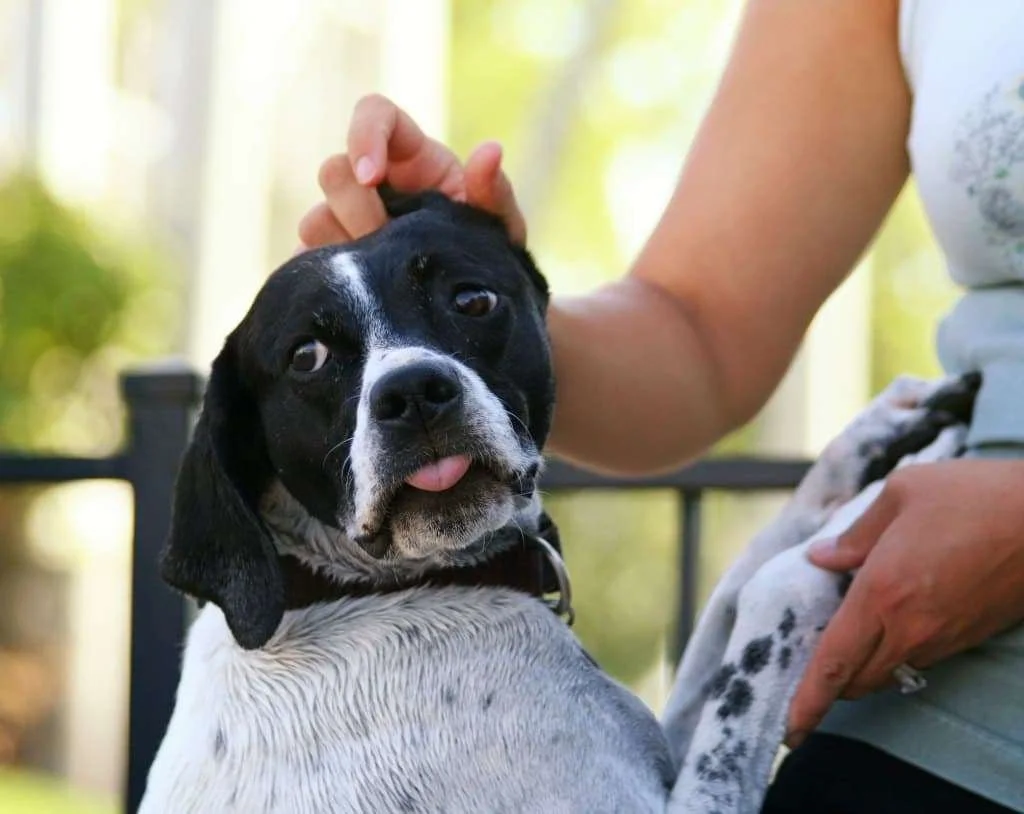
Signs a Dog Wants Space [Red Light]
Some dogs communicate discomfort in ways that are easy to overlook. Watch for:
Turning their head away
Whale eyes
Freezing or stiffening
Pulling back slightly
Lip licking or yawning
Licking you continuously
Walking away
Turning their head away
Looking at their owner for support
These dogs aren’t being dramatic; they’re being polite. And respecting those signals prevents conflict and builds trust.
Why Consent-Based Petting Matters
Dogs communicate through subtle signals long before they bark, growl, or snap. When people pet without asking, lean over a dog, or keep touching after the dog tries to move away, the dog may feel stuck. That discomfort often shows up later as reactivity, avoidance, or fear.
The 3-Second Rule prevents that pressure by giving the dog control. It teaches them: “You can opt in. And you can opt out.”
Benefits of the rule:
Reduces stress for shy or cautious dogs
Keeps greetings predictable and safe
Helps social dogs avoid getting overstimulated
Teaches children how to interact respectfully
Prevents small warning signs from turning into bigger behavior issues
Builds trust between the dog and new people
Dogs learn best when they feel secure. Consent-based petting supports that security.
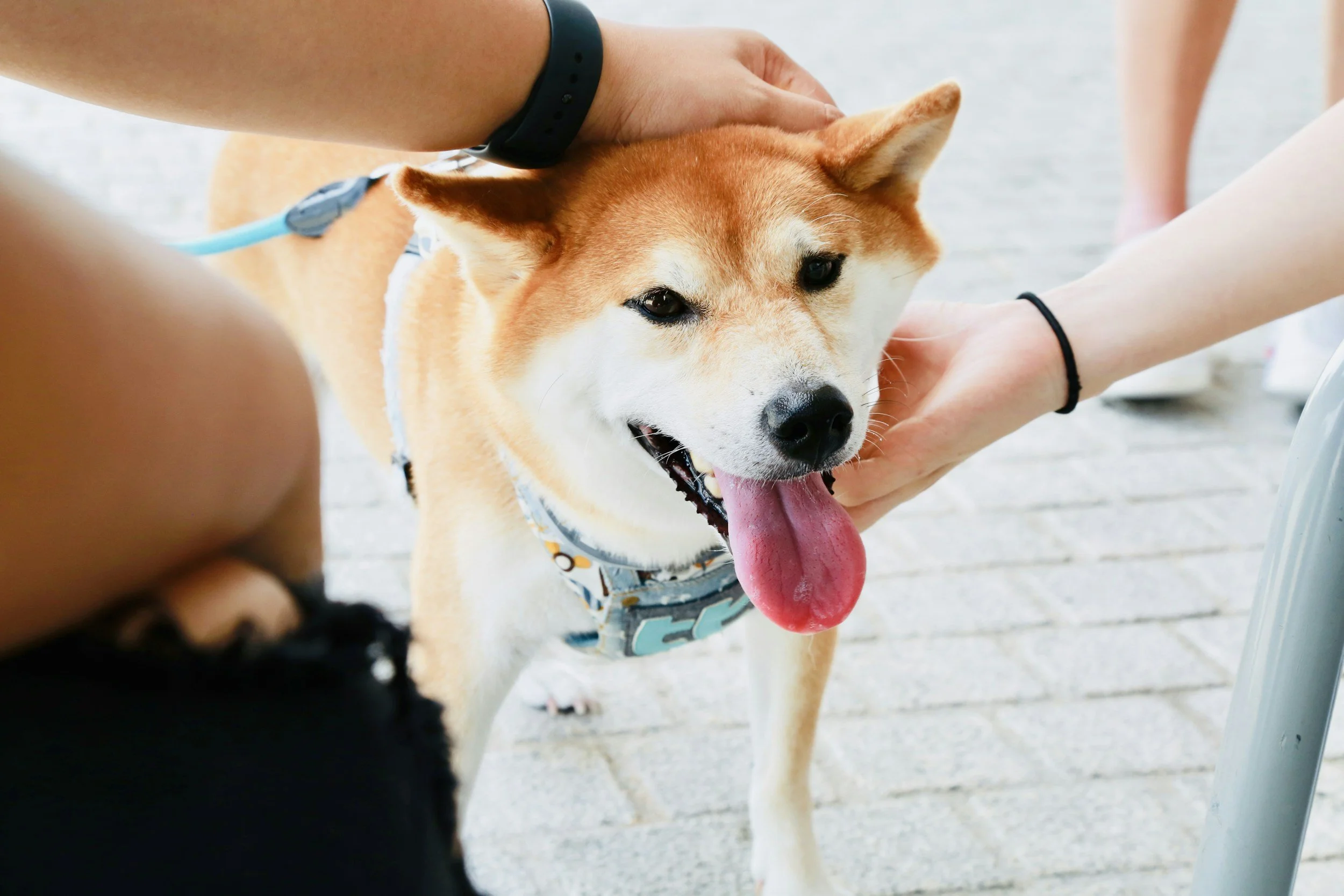
How the 3-Second Rule Helps Reactive or Nervous Dogs
Reactive or insecure dogs often feel trapped in greetings. People bend down quickly, reach over their head, or move in close without warning. The dog doesn’t want to be “rude,” but they also don’t want to be touched.
The 3-Second Rule gives them room to breathe. By creating a short interaction followed by a pause, the dog can stay engaged only if they are comfortable. Over time, this builds confidence and reduces the urge to react defensively.
I use this technique with dogs who:
Plot twist: I use this with every dog! Even my own. But the 3-second rules is especially important for dogs who
Startle easily or struggle with sudden touch
Have touch sensitivity
Are sick / not feeling well
Get overwhelmed in new environments
Have a history of defensive behavior
Are learning to trust strangers
You have never met before
Even friendly dogs benefit when humans slow down and pay attention.
Keeps interactions positive
Prevents misunderstandings
Respects the dog’s comfort level
Encourages clear communication
Supports long-term behavior health
It’s one of the most reliable ways to prevent pressure from turning into reactivity.
Teaching Others to Use the 3-Second Rule
This rule works best when everyone around the dog participates—friends, family, kids, neighbors, and even strangers who want to greet your dog.
A simple script helps: “Let’s give him a quick three-second pet, then pause and see if he wants more.” Most people respond well to this because it sounds safe, kind, and easy to follow.
If the dog steps away, you can say: “He’s saying he needs a little space right now.”
It keeps things calm and prevents awkward moments.
Need Help With Your Dog’s Greetings or Body Language?
If your dog struggles with greetings, reactivity, or big feelings, consent-based handling can make a noticeable difference. I teach owners how to read their dog’s signals, structure interactions, and build calm habits that last.
If you want support, I’m here to help you build a more confident, comfortable dog, one greeting at a time.
More Training Support
If your dog needs help with greetings, reactivity, or confidence-building, these resources can guide your next steps:
Private Dog Training — One-on-one coaching for manners, behavior, and real-life skills.
Puppy Training — Early social skills, confidence building, and foundation training.
Puppy Board & Train — At home-based stay and train program for puppies
Reactivity Support — For dogs who bark, lunge, or struggle with triggers.
Behavior Issues — Support for fear, overarousal, and complex behavior patterns.