
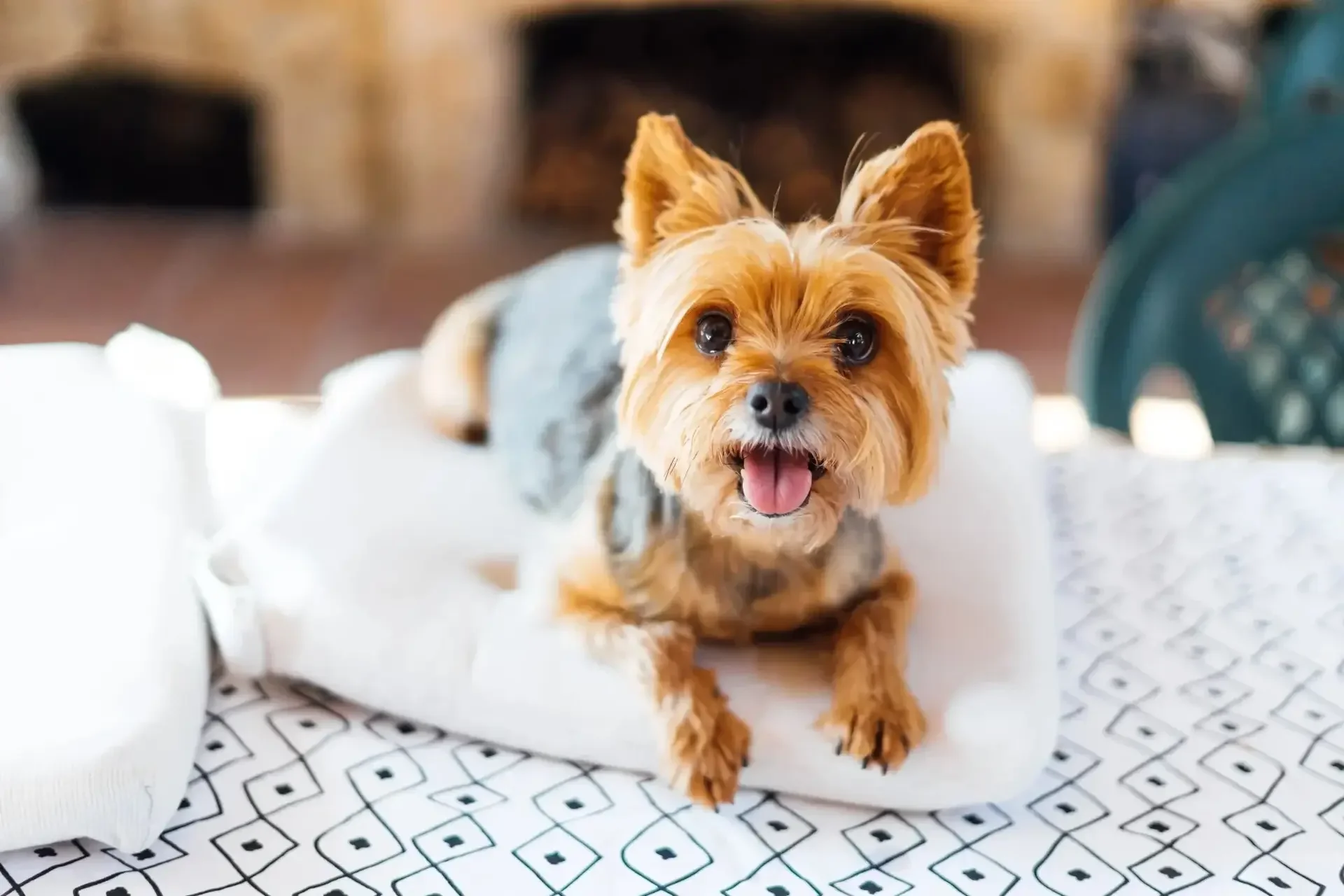
Positive Puppy Training in Chicago
Hi, I’m Hailey, a Certified Dog Trainer (CPDT-KA) in Chicago who specializes in all-things puppies.
I offer private, one-on-one lessons that focus on calm behavior, confidence building, and communication. My goal is to help you raise a puppy who feels safe and comfortable in everyday city life all while having fun. Using reward-based methods, I’ll teach you how to understand your puppy’s behavior and build habits that last a lifetime.

When you first bring a puppy home, they need time to adjust. The 3-3-3 rule helps set realistic expectations: about 3 days to decompress, 3 weeks to learn routines, and 3 months to feel truly at home. Those early weeks are critical for developing confidence and trust.
What is the the 3-3-3 Rule?
The Puppy Timeline
😌
3 Days
Decompress
Time for your puppy to settle into their new environment and begin feeling safe. Your puppy may be extra sleepy, cautious, or clingy as they adjust. This is their “taking it all in” phase.
🦮
3 Weeks
Learn routines
Start building habits and understanding daily patterns in your home. You’ll start seeing patterns: when they need to potty, when they get the zoomies, and how quickly they pick up cues.
🏠
3 Months
Feel at home
Full adjustment where your puppy feels confident, and comfortable. Your puppy settles into the household rhythm, shows their true personality, and feels safer exploring, playing, and relaxing like they’ve always lived there.
How I Can Help
In my private lessons, I guide you through what your puppy is communicating during each phase (things like pacing, barking, or hiding) and how to respond calmly and consistently. I’ll show you how to create a structured daily routine that helps your puppy feel secure, from crate time to potty breaks.
Whether you’re in a quiet Ravenswood apartment or a busy West Loop high-rise, I’ll tailor the plan to your living space so your puppy learns how to relax and build confidence in a city environment full of new sounds and distractions.
City Challenges
Helping Your Puppy Adjust to Chicago Life
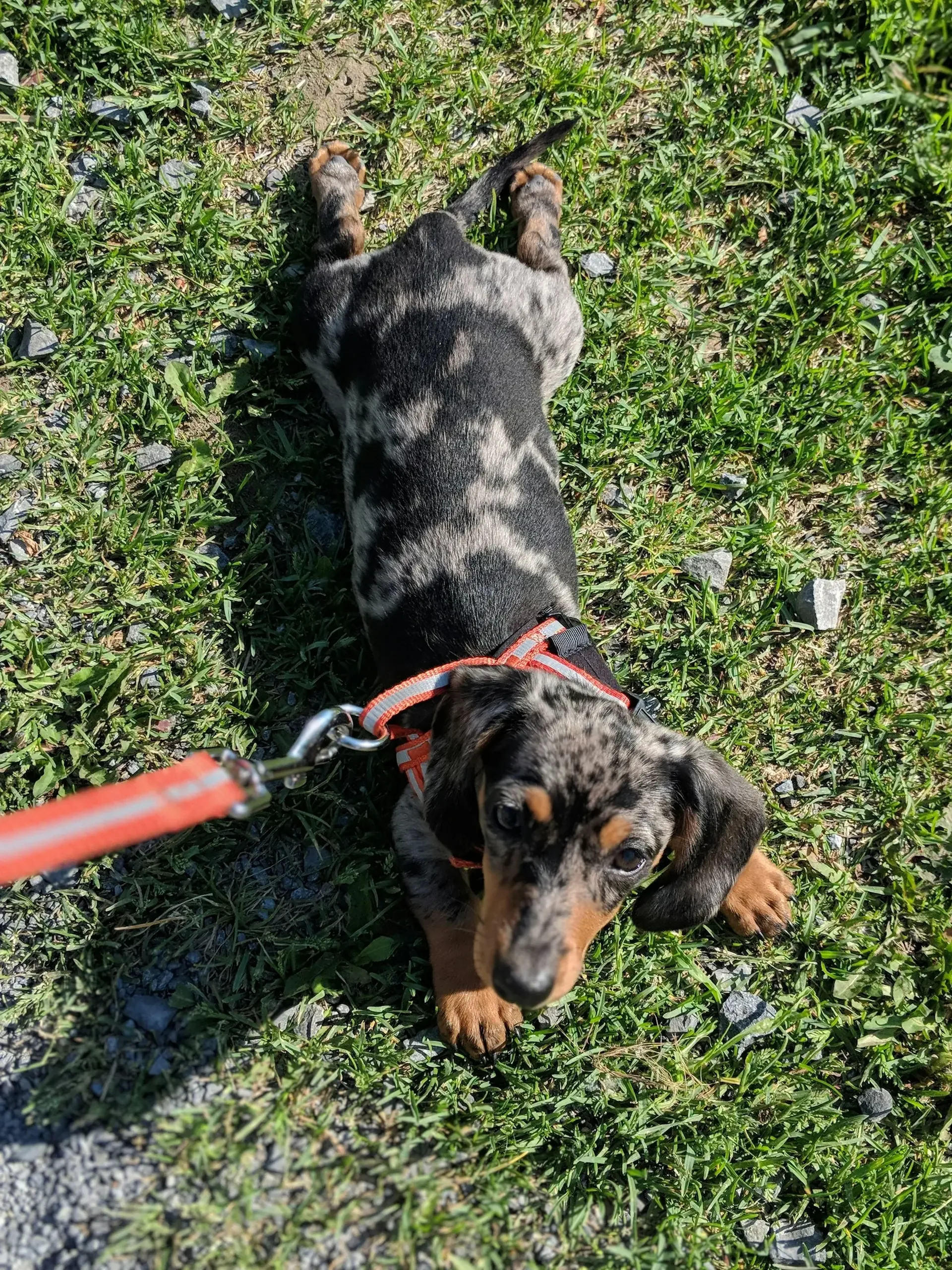
City living brings unique puppy challenges: elevators, traffic noise, trains, and crowded sidewalks. For some puppies, all that stimulation can lead to fear or reactivity later on.
🏢 Elevators & hallways
🏃🏽♀️Busy sidewalks
🚓 Traffic & trains
🎉 Crowd exposure
Slow Introductions
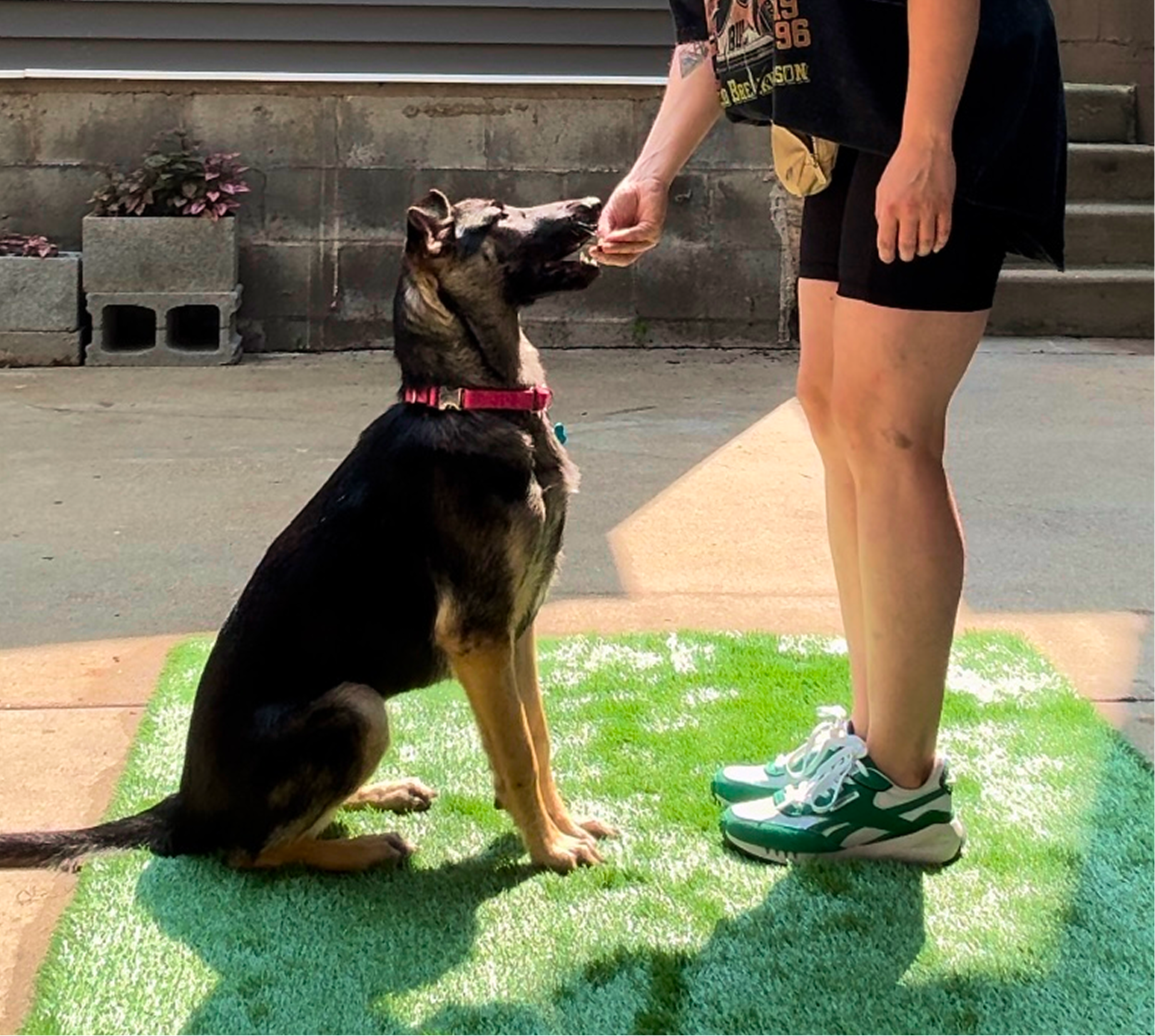
During private lessons, I help your puppy experience Chicago life in a controlled, positive way. We might start by walking calmly through your apartment hallway, then gradually add new environments like sidewalks, parks, or patios.
The 3 C’s of Puppy Training
Puppies don't misbehave to be stubborn, they just don't know the rules yet. That's where the 3 C's come in.
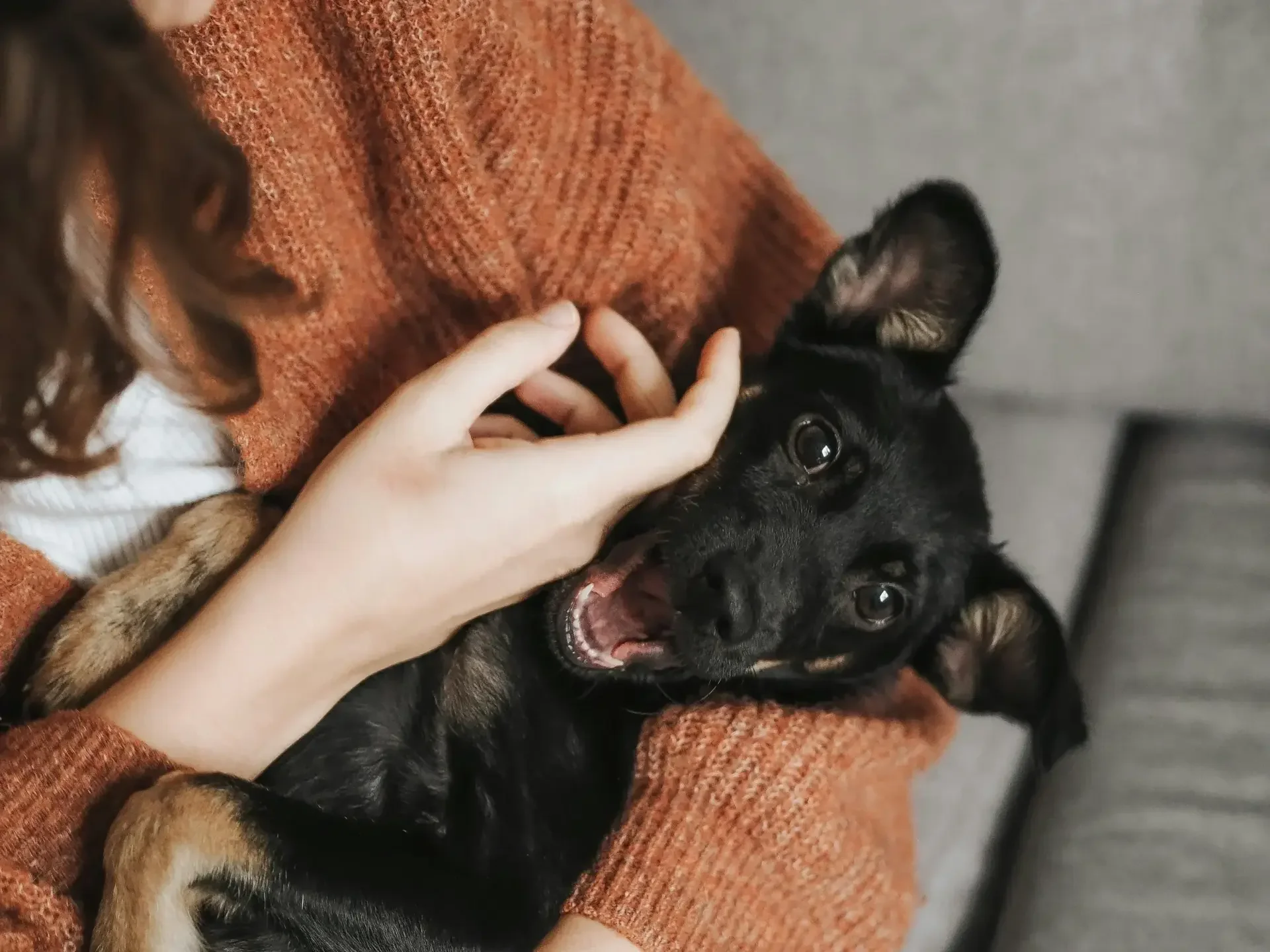
Clarity
Learn how to communicate through tone, body language, and simple cues your puppy can understand.
Consistency
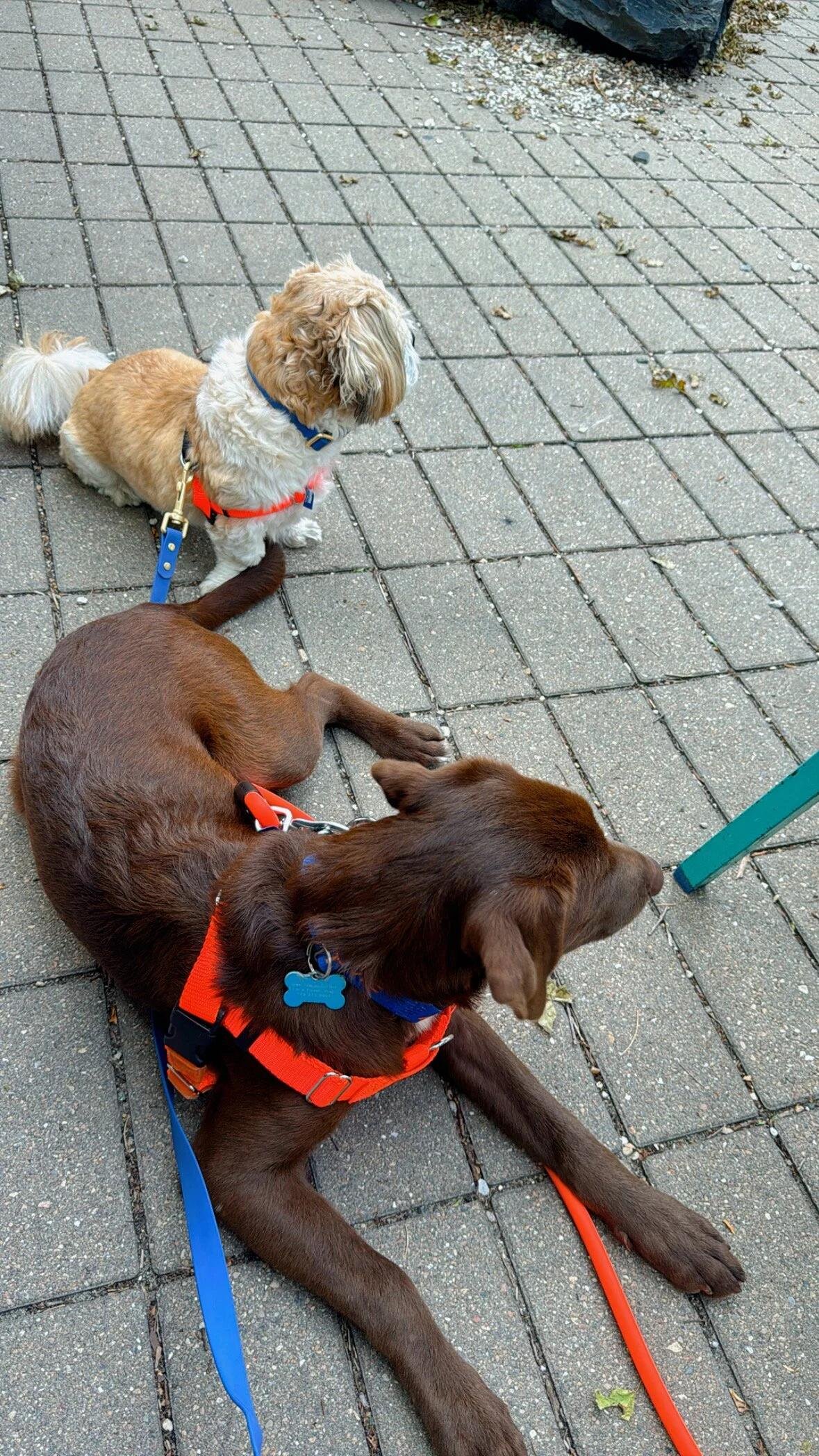
Consistent timing helps your puppy stay focused, especially in neighborhoods like Logan Square.
Confidence
Repetition and rewards help your puppy feel safe, supported, and confident instead of fearful.

Essential Puppy Skills:
What to Teach First
Before worrying about advanced obedience, I focus on the basics that help your puppy understand you and start making good choices on their own. These skills help your puppy understand you and start making good choices on their own. I’ll show you how to reinforce attention and self-control in ways that make learning fun. When your puppy learns that calm behavior gets rewarded, you’ll start seeing better focus everywhere: on walks, during greetings, and even at home when guests visit.
The first things you teach your puppy lay the foundation for everything else
1.
Socialization & Body Handling
Introduce the world:
Puppies go through a critical, time-sensitive socialization window. This is when they learn how to feel about new sounds, surfaces, people, places, dogs, and objects.
Body handling:
Gentle, reward-based handling of paws, ears, collar, and mouth helps your puppy grow comfortable with grooming, vet visits, nail trims, and being touched. The goal isn’t “tolerate it,” it’s “feel good about it.”
2.
Potty Training & Crate Comfort
Potty training:
Young puppies need frequent outdoor trips—after waking, eating, drinking, and play. I teach you how to use timing, supervision, and rewarding in the right moment to make potty training predictable and low-stress.
Crate comfort:
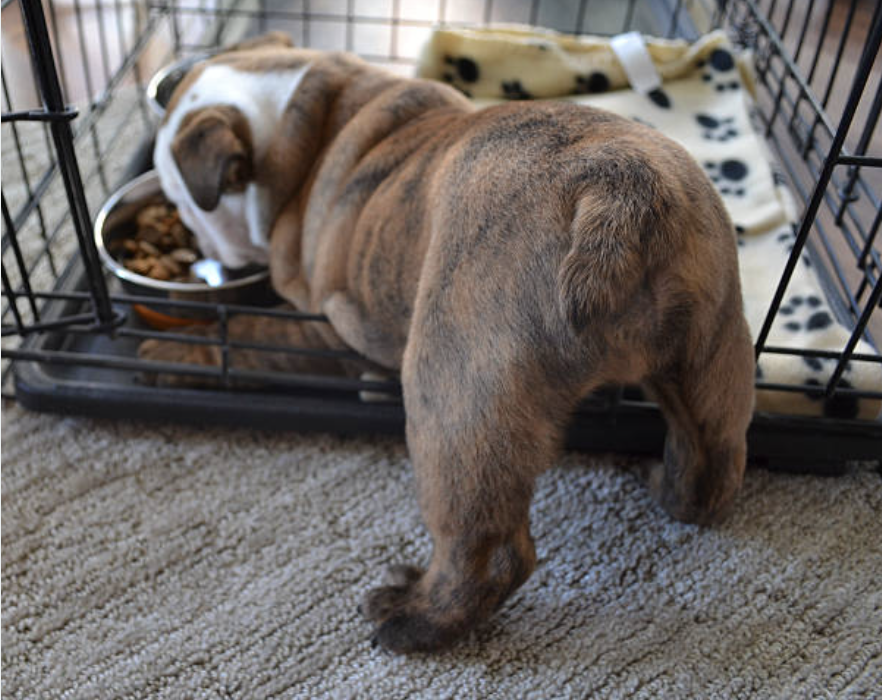
The crate shouldn’t be a punishment—it should feel like a cozy, safe space. I show you how to build positive associations step-by-step to support house training, independence, and calm rest.
3.
Foundational
Skills
Name recognition:
A puppy who happily turns toward you when you say their name learns to check in and engage, which makes everything else easier.
Come (early recall):
Short-distance, indoor games build the foundation of recall before you ever try it outside.
The Basics
Sit, down, touch, stay, leave it and drop it.
4.
House Manners & Calming Skills
Bite inhibition:
Redirect to toys, teach appropriate play, and help your puppy learn how to regulate arousal.
Intro to the leash:
Puppies don’t need a perfect heel, they just need to learn how to follow you, stay connected, and explore while keeping the leash loose.
Wait at doors:
“Wait” is a practical skill that teaches patience and prevents door-dashing, especially in apartment buildings.
The 5 Minute Rule
Puppies Love Short Training Sessions
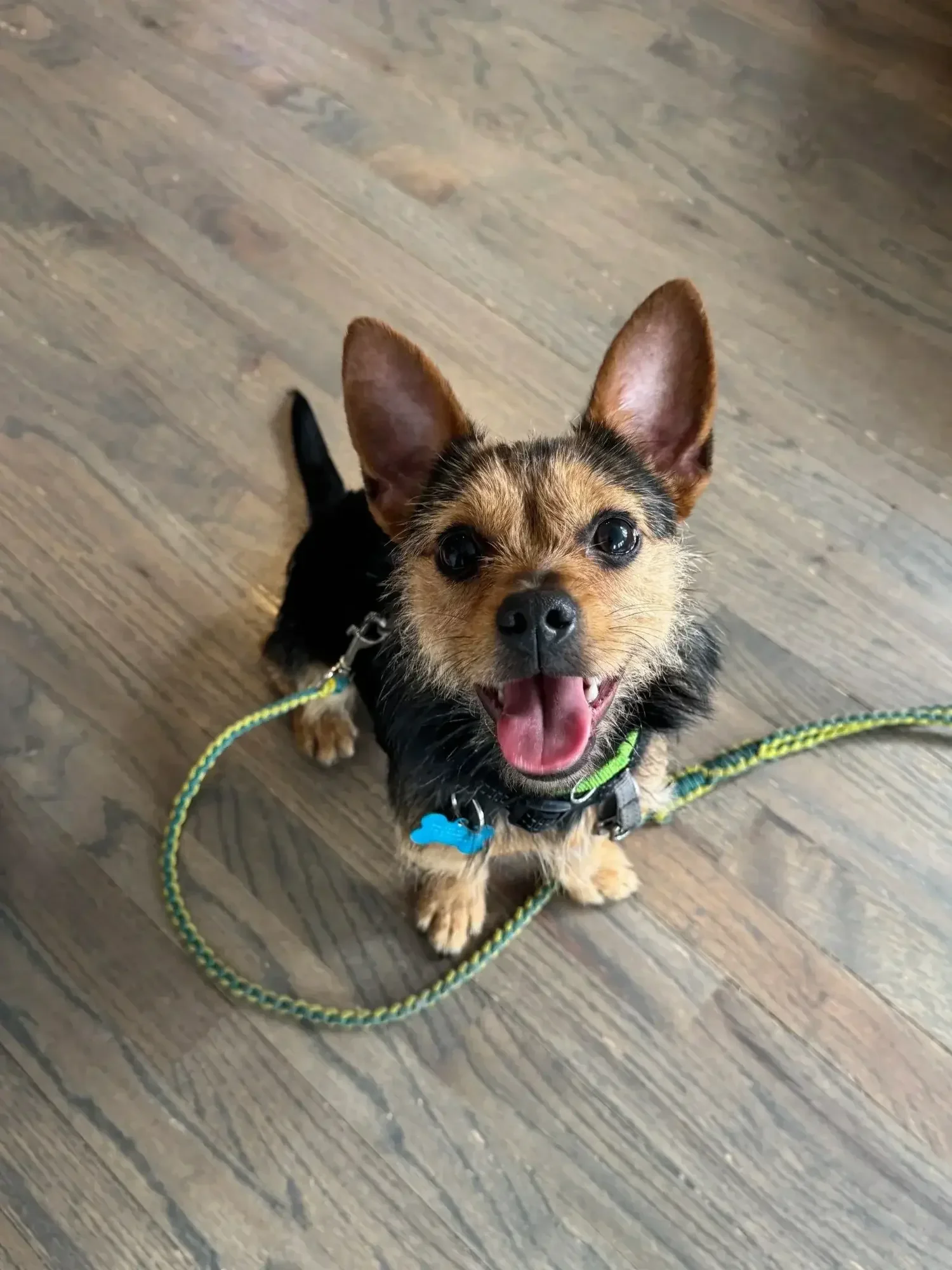
Puppies learn best through short, focused sessions that end on success. The five-minute rule (training in small bursts throughout the day) is far more effective than long, tiring sessions.
In each lesson, I’ll demonstrate how to fit training into your regular routine. You’ll learn how to use daily moments to reinforce good choices, turning normal life into valuable training time.
This approach is ideal for busy Chicago dog parents balancing work and city living. Over time, these small, consistent efforts lead to huge progress and a puppy who wants to learn with you.
Why Puppies Get Harder Around 4–6 Months
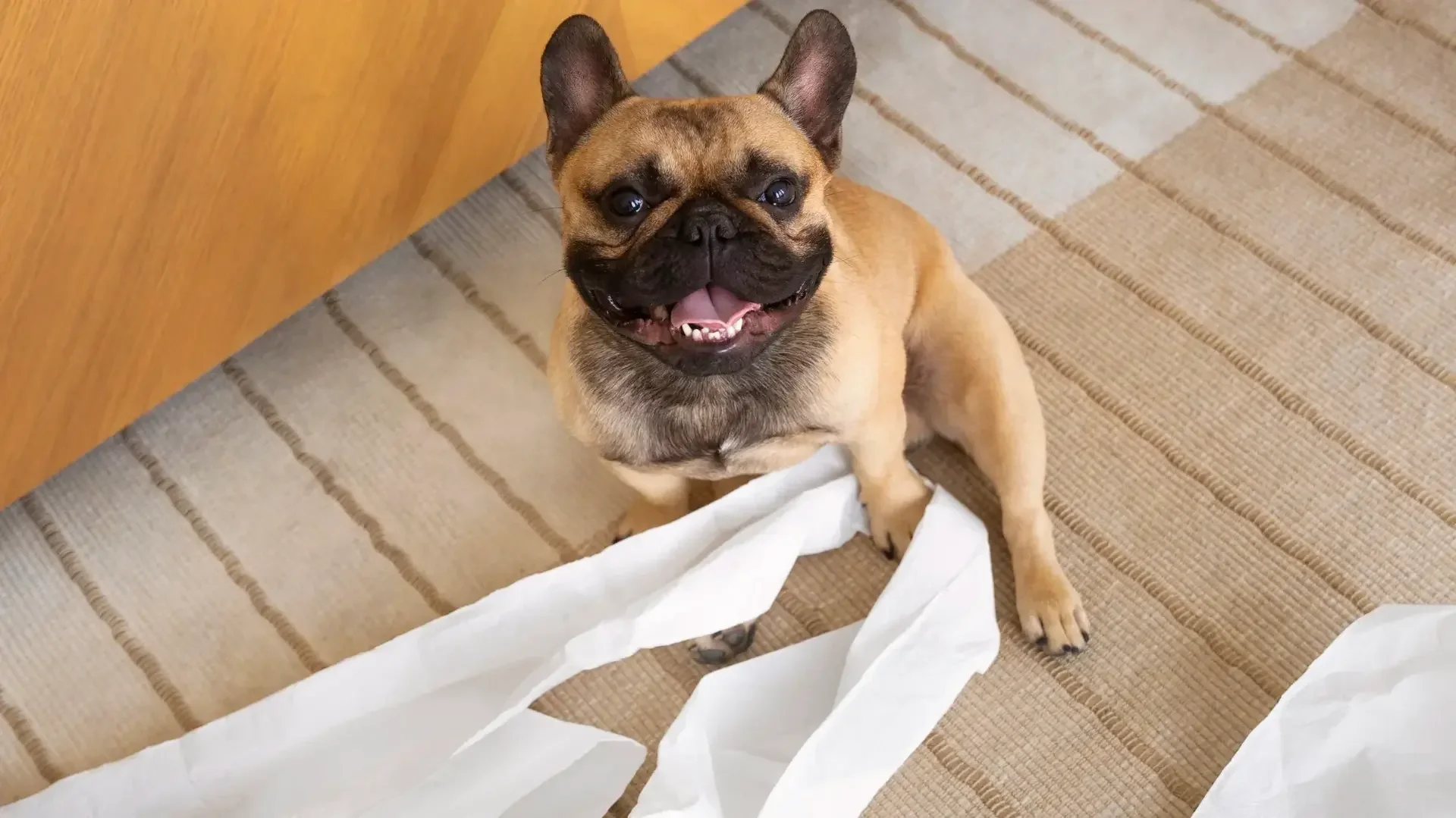
Puppies often become more challenging at four to six months as teething, new independence, and higher energy all peak at once. It’s normal to see more testing and impulsive behavior. With calm structure and clear guidance, this stage becomes easier and can even lead to some of your puppy’s biggest breakthroughs.
How I Can Help
In private lessons, I’ll help you navigate that stage. You’ll learn how to handle puppy biting, jumping, destructiveness and more without losing patience or relying on punishment. I’ll show you how to redirect energy into training games, play, and enrichment so your puppy stays engaged and successful.
FAQs
-
Every dog is different, but most take about three months to feel fully comfortable. I’ll help you support them through that transition with structure and confidence-building exercises.
-
You can start as early as eight weeks old. Early lessons make a big difference in preventing unwanted habits before they start.
-
Two or three short sessions per day—just a few minutes each—is ideal for young puppies. I’ll show you how to make the most of those windows.
-
I specialize in confidence-building through gentle exposure and play. Together, we’ll help your puppy learn that new sights and sounds aren’t scary.
-
Yes! I train throughout Chicago, including Lakeview, Wicker Park, Ravenswood, and nearby neighborhoods. Lessons can take place in your home or outdoors near your area.
Train Your Puppy the Right Way With Support That Fits Chicago Life
Every puppy, household, and neighborhood is different. That’s why I offer private, personalized lessons built around your dog’s needs and your lifestyle.
Service Areas
Andersonville · Avondale · Bridgeport · Bucktown · Edgewater · East Garfield Park · Fulton Market · Hermosa · Humboldt Park · Irving Park · Lakeview · Lincoln Park · Lincoln Square · Little Village · Logan Square · McKinley Park · Near West Side · North Center · North Lawndale · Old Town · Pilsen · Portage Park · Ravenswood · Roscoe Village · South Loop · UIC Medical District · Ukrainian Village · Uptown · West Loop · West Town · Wicker Park