
Puppy Biting, Mouthing & Nipping: Why It Happens and How to Stop It
If you’ve got a new puppy whose teeth seem to be everywhere—your hands, your sleeves, your ankles—you’re not alone. Puppy biting is one of the most common concerns new dog parents reach out about. It can be stressful, painful, and confusing (“Why does he do this after a walk??”), but the good news is: this behavior is normal, temporary, and totally fixable with the right approach.
Below is a complete guide to understanding why puppies bite, what’s normal vs. concerning, how to teach softer mouths, and what to do when nothing seems to work.
If you need hands-on support, check out my Puppy Training and Puppy Board & Train programs.

Why Puppies Bite in the First Place
Understanding why your puppy is biting is the first step toward changing the behavior. Puppies rarely bite because they’re “dominant,” “spiteful,” or “aggressive.” Those myths persist, but they’re inaccurate and lead people toward harsh corrections that often make things worse.
Here’s what’s actually happening:
1. Puppies Explore the World With Their Mouths
Just like toddlers grab everything, puppies bite and chew to understand textures, movement, and cause-and-effect. Your moving hands? Fascinating. Hoodie strings? A dream come true. Ankles? Irresistibly fun.
2. Teething!
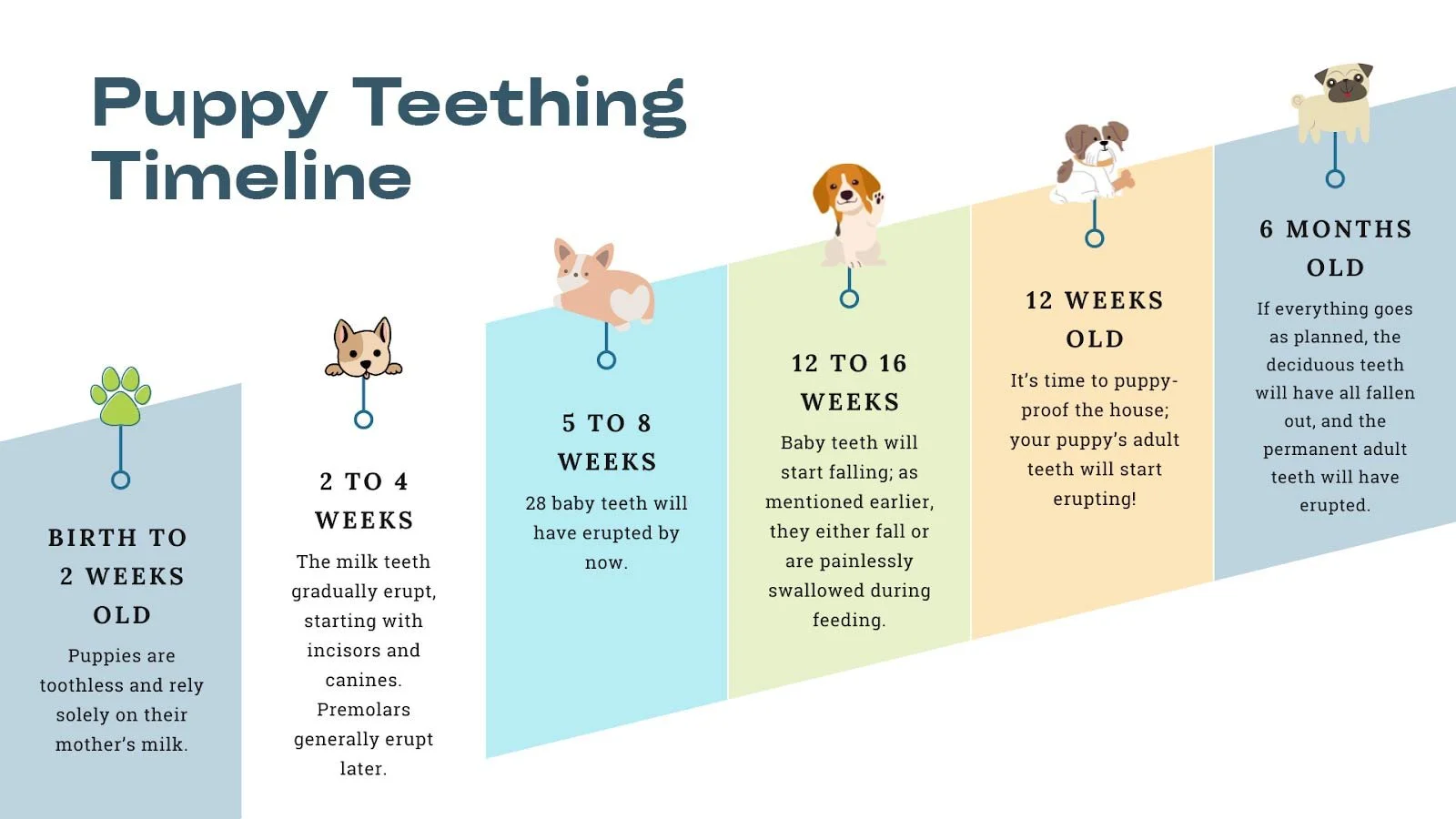
Between 12–20 weeks, puppies go through teething—a period where adult teeth push through the gums. This creates soreness, pressure, and the urge to chew anything that brings relief.
Signs your puppy is teething include:
Drooling
Chewing obsessively
Blood on toys
Increased crankiness or nippiness
3. Overstimulation (‘Zoomies Biting’)
This is the #1 cause of evening biting.
Puppies don’t know how to regulate arousal yet. Too much play, too much activity, or too much social interaction can result in:
Jumping
Biting clothing
Latching onto hands or legs
“Witching hour” behavior
This isn’t aggression, it’s a tired puppy who needs help settling, not more play.
4. Pent-Up Energy or Breed Fulfillment Needs
Herding breeds nip heels because that’s literally what they were bred to do. Retrievers grab things. Terriers chase movement. If your puppy has big feelings or big instincts, learn more about Obedience Training.
5. Lack of Appropriate Outlets
If we don’t provide:
Chew opportunities
Enrichment
Rest periods
Structured play
…puppies find their own outlets. Usually your hands. 🫠
What’s Normal vs. Not Normal?
Normal Puppy Biting
✔ Happens mostly during play
✔ Increases during evenings
✔ Occurs between 8–20 weeks
✔ Puppy lets go when redirected
✔ Doesn’t leave deep bruises
✔ Often paired with wagging, wiggling, playful body language
Concerning Biting (Needs Professional Help)
❌ Stiff body language
❌ Hard stare
❌ Growling when approached near food or toys
❌ Snapping outside of play
❌ Biting that breaks skin consistently
❌ Guarding objects or space
If your puppy is showing those signs, schedule a free consultation to chat about behavior modification.
What Age Do Puppies Stop Biting?
Every puppy is different, but a general timeline helps:
How to Stop Puppy Biting: A Step-by-Step Plan That Actually Works
There are a LOT of tips online. Some are great. Some are harmful. Below is a science-backed, positive reinforcement approach that works for all breeds and all ages.
1. Redirect the Bite to an Appropriate Item
Your goal isn’t to stop your puppy from using their mouth—it’s to teach them what to use it on.
Keep 2–3 toys nearby at all times. When your puppy starts biting:
Pause your hand movement
Offer a toy (preferably long or floppy)
Praise when they bite the toy instead
Great redirection toys:
Long tug ropes
Stuffed animals
Food-stuffed Kongs
Fleece flirt toys
This works best when done early—don’t wait until they’re latched on.
2. Teach “Gentle” Through Controlled Play
We want puppies to gradually learn to soften their mouths. Try:
Slow, calm tug (no whipping around)
Stopping play briefly when teeth touch skin
Resuming as soon as they calm
This teaches: “Biting too hard makes the fun stop. Gentler play makes it continue.”
3. Use Short Play Bursts Instead of Long Ones
Most biting happens when puppies are overtired or overstimulated.
Trade out 30-minute chaotic play to 5–7 minute structured activities.
Examples:
Tug → Sit → Tug
Fetch → Scatter kibble → Fetch
Training → Chewing → Rest
4. Increase Rest—Most Puppies Need WAY More Sleep Than You Think
This is HUGE. Puppies need 16–18 hours of sleep per day. Most biting issues are actually exhaustion issues.
If your puppy:
Gets zoomies
Bites at night
Goes wild after walks
Jumps and bites your clothing
…they are overtired.
Use short crate naps or playpens to help them regulate.
If you’re working on crate skills, check out our Puppy Training Page for support.
5. Add Daily Enrichment
A mentally tired puppy is a mouth-soft puppy.
Activities to try:
Snuffle mats
Scatter feeding
Frozen Kongs
Lick mats
DIY cardboard shredders
Treat puzzles
Enrichment reduces frustration, teething discomfort, and boredom biting.
6. Avoid Harsh Corrections
Yelling “no!”, holding their mouth shut, pushing them away, or tapping their nose can create:
Defensive biting
Resource guarding
Fear
Reduced trust
These punishers may stop the moment, but they damage long-term behavior.
7. Manage the Environment
If your puppy bites your clothing every time you walk across the room, it’s not a training moment, it’s a management moment.
Use:
Baby gates
Playpens
Leashes indoors
Tethering nearby with enrichment
Set them up for success instead of giving constant “no’s.”
8. Use Food to Reinforce Calm Behavior
When your puppy makes a good choice:
Looking at you
Sitting instead of jumping
Grabbing a toy instead of your arm
…mark (“yes!”) and reward.
This builds a puppy who makes good decisions automatically.
Why “Ouch” and Turn Away Doesn’t Always Work
You’ll see this advice everywhere—but it depends on the puppy.
It can work for:
Very sensitive puppies
Puppies with naturally soft temperaments
It fails for:
Confident puppies
Working breeds
Puppies in high arousal
Herding breeds
Terriers
Retrievers in grabbing mode
Many puppies think your “ouch” is an invitation to play more aggressively. If it works, great! If not, switch to redirection + structured calm time.
What To Do When Your Puppy Won’t Stop Biting No Matter What
This is extremely common, especially between 10–14 weeks.
Try a reset:
Pick up puppy gently
Place them in their crate or playpen
Give a frozen Kong or stuffed chew
Let them decompress
This isn’t a punishment, this is a reset. Think of it like putting a toddler down for a nap before they melt down.
If the biting is extreme, your puppy may have:
Overstimulation issues
Genetic energy needs
Breed-specific challenges
Under-socialization
Sleep deficits
Reinforcement patterns keeping the behavior alive
If everything you try fails, reach out for Private Puppy Training.
FAQ: Puppy Biting & Mouthing
-
Puppies often bite the person who:
Moves more
Talks more
Plays more
Is “more fun”
Reinforces biting unintentionally
Switch who handles high-arousal play.
-
Most commonly: no.
If your puppy is playful, wiggly, and loose—it’s not aggression.
But if you’re seeing freezing, stiff posture, snarling, or snapping, visit my Behavior Modification page.
-
Walks overstimulate puppies. They collect sensory input they can’t process yet.
What looks like “excitement” is actually sensory overload.
Try:
Shorter walks
Decompression sniffing
A chew after walks
Quiet home time
-
This is classic overtired puppy behavior. Start a structured evening routine:
Short training session
Calm snuffle activity
Frozen chew
Early bedtime
-
Long toys they can grab from a distance:
Fleece tug
Rope toys
Plush tugs
Treat-stuffed toys
Avoid tiny toys that bring your hands too close.
-
Most do! But puppies who are overstimulated, under-rested, or high-drive need structure.
Without support, the behavior can turn into adolescent nipping.
When to Get a Trainer Involved
Working with a professional speeds up results significantly, especially when we customize a plan around your home, schedule, and your puppy’s temperament. You should reach out for help if:
Your puppy is biting harder over time
Biting breaks skin regularly
You feel frustrated or overwhelmed
You can’t safely manage kids + puppy
The biting feels unpredictable
Redirection doesn’t work at all
If you’re in Chicago, check out:
Private Puppy Training | Puppy Board & Train | Obedience Training | New Rescue Dog Training
Final Thoughts: Biting Is Normal, Fixable, and Part of Puppyhood
Puppy biting feels overwhelming, but it’s truly a phase, and one you can guide your dog through with:
Clear structure
Predictable routines
Lots of rest
Redirecting instead of correcting
Meeting their breed fulfillment needs
Teaching calmness
If you want help building a calm, confident puppy with great manners, I offer in-home private training anywhere in Chicago. Start here: