
How to Potty Train a Puppy in an Apartment (Chicago Guide for New Puppy Parents)
Potty training a puppy is challenging anywhere, but Chicago apartment living adds an entirely different layer. Long hallway walks, elevator trips, crowded sidewalks, and winter weather all make it harder for young puppies with tiny, still-developing bladders. The good news is that apartment potty training is absolutely doable. It just requires a plan designed for city life, not a backyard.
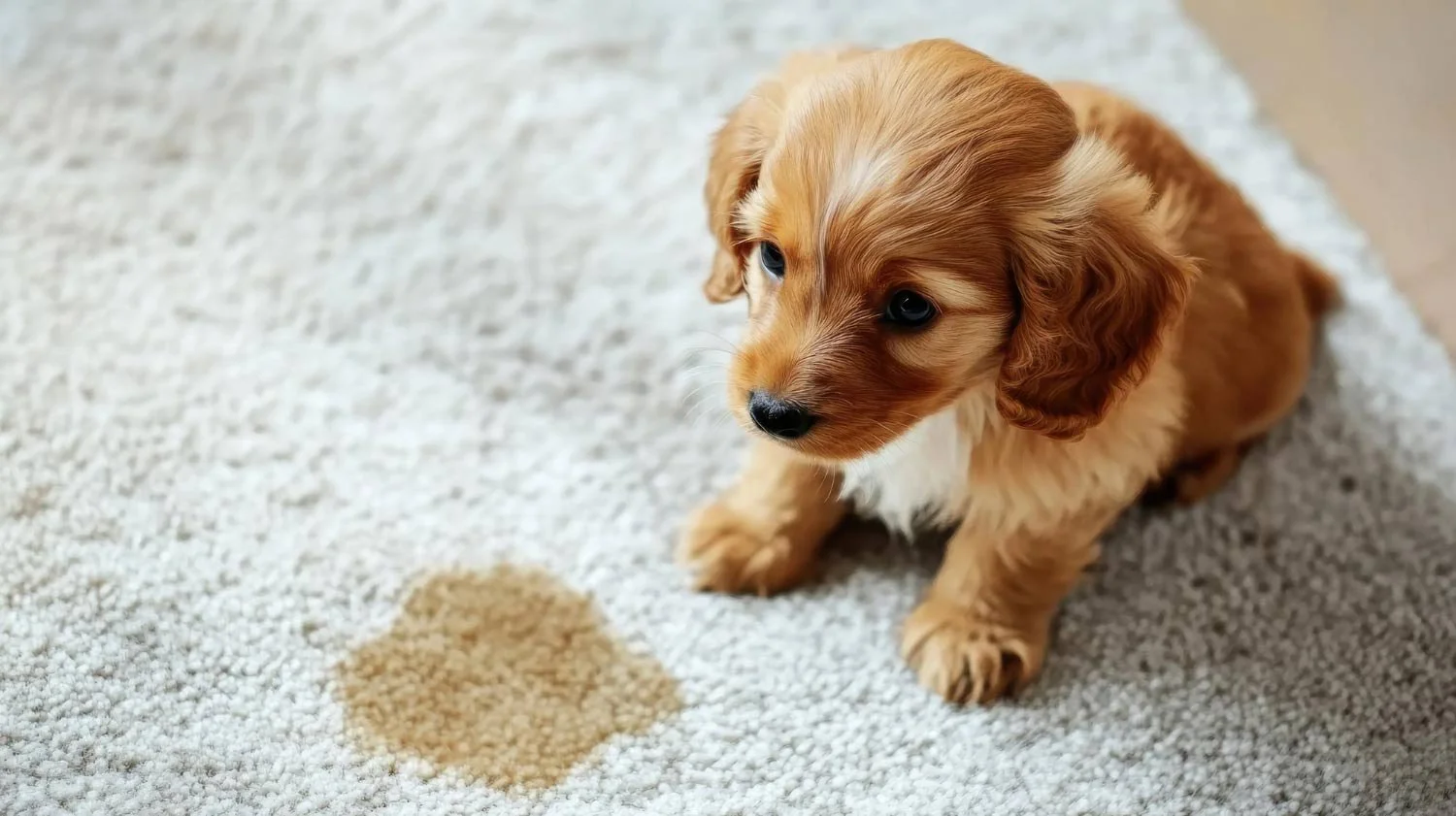
Why Apartment Potty Training Feels Harder
In a house, the potty spot is only a few steps away. In a Chicago apartment, your puppy may have to make it through a hallway, elevator ride, lobby, busy street, and finally reach a patch of grass — all while trying to hold it.
And depending on age, your puppy may only manage 1–2 hours between bathroom breaks when awake. This mismatch (long distance + small bladder) is the #1 reason city puppies struggle early on. Once you understand this, everything gets easier and less stressful.
How Long Can Puppies Really Hold It?
As a general rule of thumb, most puppies can hold their bladder for one hour per month of age + one hour (when awake). For example:
A 2-month-old → ~3 hours
A 3-month-old → ~4 hours
A 4-month-old → ~5 hours
BUT this is under ideal, calm, non-stimulating conditions, not accounting for things like: waiting for an elevator, hallway distractions, putting on a coat on your puppy in winter, etc. Puppies always need to go more frequently when awake, active, excited, or playing. With that in mind, this guide can be a bit more realistic and helpful for the beginning stages of potty training:
Realistic Guidelines for City Living:
8–10 weeks: every 1–2 hours
10–12 weeks: every 2–3 hours
3–4 months (12–16 wks): every 3–4 hours
4–6 months: every 4–6 hours
Over 6 months: roughly one hour per month of age until reaching adult capacity (6–8 hours)
Why this matters for apartment living: Even if your puppy technically can hold it for 2–3 hours, the walk to the outdoors eats up their margin, making hallway/elevator accidents completely normal.
Factors That Influence Bladder Control
Every puppy is different. These factors affect how long they can hold it:
Age: The younger the puppy, the smaller the bladder, the more your pup needs to go out.
Breed & Size: Small breeds often need to go more frequently than large breeds.
Activity Level: Play → drink → run → stimulation = MUCH more frequent potty needs.
Diet & Hydration: Water intake spikes → trips spike. Wet food = pees more often. Hot days or long walks = more water needed.
Sleep: Puppies can hold it longer at night because the body suppresses urine production during sleep. This does NOT apply when they’re awake.
Stress + Excitement: Meeting neighbors, elevator dings, cold wind, traffic noises → all increase urgency.
Two Proven Potty Training Approaches for City Living
Method 1: Outdoor-only
Go directly outside after waking, eating, playing
Puppies learn faster but require fast access
Method 2: Indoor to Outdoor Transition (ideal for high-rises)
You’ll set a designated area for you puppy to pee inside on a pad or on turf outside on your balcony.
Then, you’ll phase them out once your puppy can physically hold it long enough.
Both methods work! But consistency matters more than the method.
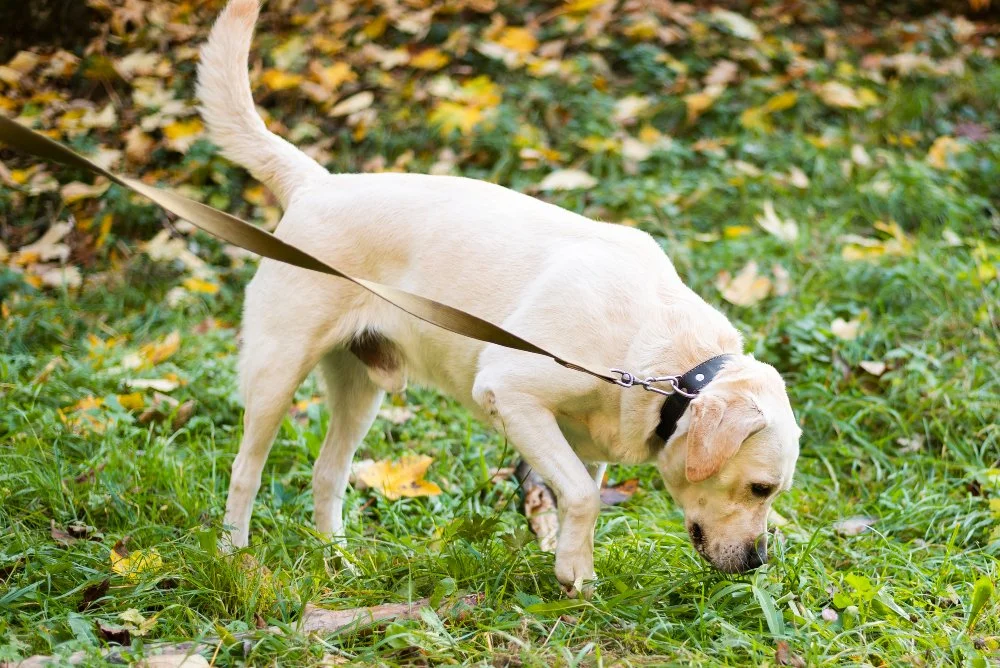
Method 1:
Outdoor-Only Potty Training
This method teaches your puppy from day one that the bathroom is outside only.
Best for: 1st–3rd floor apartments, fast elevators, older puppies (12+ weeks), easy access to grass
How To:
Take your puppy outside to potty immediately after sleeping, eating, drinking, playing and training.
Pick them up if needed and avoid hallway sniffing (that’s where accidents tend to happen).Go to the same potty zone every time
Choose the same grassy area, courtyard turf, mulch, etc. Avoid areas with heavy food traffic and loud noises.Stand still & ket your puppy sniff
Don’t walk around, that creates stimulation, not focus.Reward IMMEDIATELY when they potty
Within 1-2 seconds of your puppy going potty, praise and reward them with a treat.THEN start your walk
Potty first, a fun walk after.
Pro Tip: Prevent accidents inside by using confinement
Crate, playpen, gates, tethering when you can’t watch your puppy.
When Method 1 Won’t Work:
If your puppy regularly pees in the hallway, pees in the elevator, pees AT the front door, can’t reach the grass without leaking, switch to Method 2 temporarily.
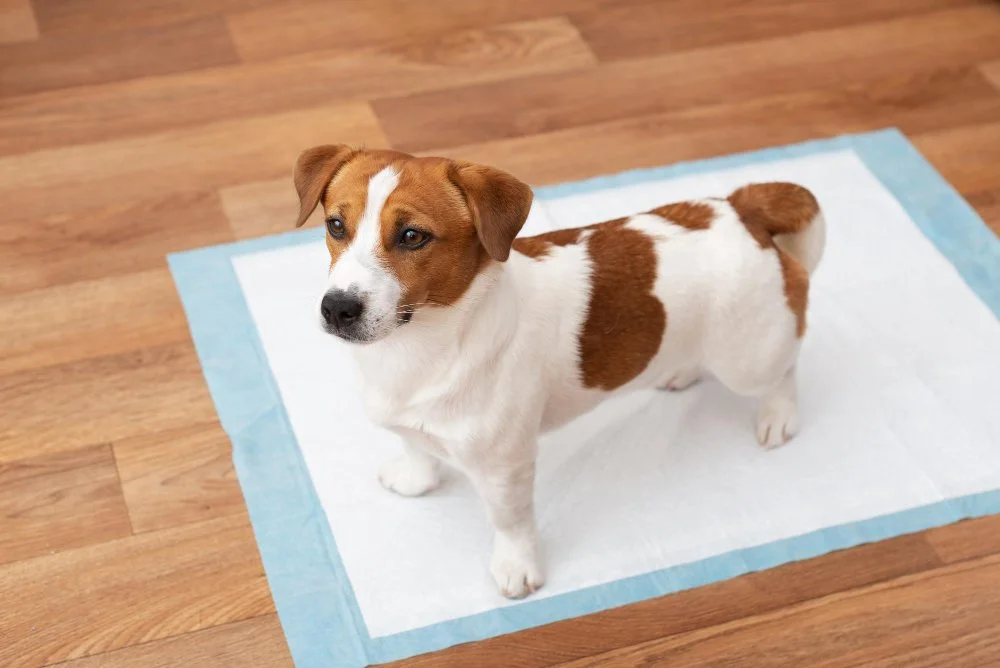
Method 2:
Indoor to Outdoor Transition Potty Training
This is the most realistic and humane method for many Chicago apartment owners, especially in high-rises or with very young puppies. You teach your puppy to use a designated indoor potty area first, then gradually transition that behavior outside once they can physically hold it long enough.
Best for: High-rise buildings, long elevator waits, winter puppies, puppies under 14–16 weeks, small breeds
PHASE 1: Indoor Pad/Turf Training
Introduce the potty area
Bring your puppy to the pad/turf first thing in the morning. Keep them on leash if needed so they stay on the surface.
Wait calmly and quietly
Reward the moment they go on the pad.
Say “Good potty!” or anything of your choosing that tells your puppy the moment they did the right thing.
Feed treats on the pad at first to reinforce the location, rather than when they get off of it.
Repeat this potty process following their bladder capacity amount and after key activities/daily events:
After waking
After eating
After play
After training
Before and after crate time
Before bed
Use short, frequent trips to the pad. Your goal is to beat your puppy to an accident.
Escort them there, don’t just hope they’ll find it.
Prevent random accidents elsewhere
Use crate, gates, or playpen when you’re busy. If your puppy starts circling/sniffing, calmly guide or carry them to the pad.
Success Criteria: Once your puppy is consistently using the pad (fewer accidents elsewhere, heading to it on their own), you’re ready for Phase 2.
PHASE 2: Add Outdoor Bathroom Practice
Start giving your puppy chances to try the outdoors, but:
• Don’t expect miracles
• Don’t force it
• Don’t stand outside forever
• Don’t confuse them by eliminating indoor access too early
How to introduce outdoor trips:
1. Bring puppy outside to a calm potty spot.
2. Wait 3–5 minutes.
3. Reward if they go.
4. If they don’t → go inside → direct to indoor pad.
This prevents indoor accidents during the learning curve.
PHASE 3: Flip Priorities (Outdoor First)
Once your puppy hits 12–16 weeks and can hold it:
• 2–4 hours reliably while awake
• longer at night
• longer after naps
Begin making the outdoor trip FIRST:
• If they potty outside → huge reward
• If they don’t → use the pad
Gradually:
• Move the pad nearer to the door
• Cut pads in half
• Reduce usage
• Use only for emergencies
PHASE 4: Outdoor Only
You’re ready to remove pads completely when your puppy:
Goes outside consistently
Rarely has accidents
Can comfortably hold 3–6 hours while awake (depending on age)
Is not fearful outdoors
This often happens around:
Large breeds: 12–16 weeks
Medium breeds: 14–18 weeks
Small breeds: 16–20+ weeks
If you’re unsure when or how to make this transition, that’s something we can customize together in a Puppy Training in Chicago session.
The Most Common Potty Training Mistakes
1. Scolding or punishing accidents
Puppies don’t understand punishments, they just learn to pee in secret. Stay calm and guide them instead of correcting them.
2. Taking your puppy out on a strict “every hour” schedule
Going out too often teaches puppies to empty their bladder frequently instead of learning to hold it. Follow age-appropriate timing instead.
3. Not cleaning accidents well enough
If your puppy can still smell it, they’ll go in the same spot again. Use an enzymatic cleaner to fully remove the scent.
4. Giving too much freedom too soon
Letting puppies roam the whole house leads to accidents. Start small with supervision, gates, and pens, and slowly expand their space as they succeed.
Choosing the Right Potty Spot
The perfect potty spot is
quiet
low-traffic
grassy or mulched
consistent
close to home
Avoid
noisy sidewalks
crowded parks
heavily trafficked dog zones
When Your Puppy Will Be Fully Potty Trained
Chicago apartment puppies typically reach:
Mostly reliable: 3–4 months
Reliable during the day: 4–6 months
Fully reliable: 5–7 months
Small breeds: Add 2–4 extra weeks.
High-rise puppies: Add 1–2 extra weeks.
Winter puppies: Add 2–4 extra weeks.
This timeline is normal!
If you need help customizing the right structure for your dog and your building, I offer Puppy Training in Chicago, tailored to your floor level, schedule, and puppy’s temperament.
Troubleshooting
-
This is one of the most common city-puppy issues.
Reason:
Your puppy was too distracted, overstimulated, anxious, or cold to relax enough to potty outside. Once inside, the stimulation stops — and they suddenly feel safe enough to release their bladder.
Fix:
Choose a quieter potty spot
Don’t walk around before pottying
Reduce stimulation
Use a temporary indoor pad if the distance to grass is too far for their age
-
Reason:
Hallways + elevators = long distances + tiny bladders.
Your puppy simply cannot hold it while navigating all the sights/smells, especially at 8–14 weeks.
Fix:
Pick your puppy up
Move quickly and don’t allow sniffing
Use an indoor pad temporarily until bladder control improves
Follow the updated bladder schedule (1–2 hours at 8–10 weeks, etc.)
-
Not if you have a transition plan!
Puppy training fails when:
❌ Pads are placed everywhere
❌ Pads are used inconsistently
❌ Pads are removed too early
❌ The puppy never gets outdoor exposure
Puppy training succeeds when:
✔ Pads are used only in a single spot
✔ Owners follow a clear indoor → outdoor transition
✔ Outdoor potty trips happen daily
✔ Outdoor rewards are higher-value
Pee pads don’t delay progress — inconsistent pad usage does.
-
Reason:
They’re entering “explorer brain,” not “bathroom brain.” Movement increases stimulation → stimulation blocks potty ability.
Fix:
Potty FIRST, walk second
Keep the leash short and stand still at the potty spot
Don’t let the walk begin until they go
-
Reason:
Probably a mismatch between:
puppy age
bladder capacity
stimulation
building logistics
Chicago puppies often need more frequent breaks than suburban timelines suggest.
Fix:
Check that your timing matches the updated schedule:
8–10 weeks: every 1–2 hours
10–12 weeks: every 2–3 hours
3–4 months: every 3–4 hours
4–6 months: every 4–6 hours
-
Use one pad or one pad holder/tray only.
Multiple pads = too much freedom and confusion.
-
Most puppies avoid the pad because the location isn’t working for them—it’s too far away, too close to their bed, or in a busy area. Some puppies also prefer a different surface texture and dislike slippery disposable pads.
Solution:
Move the pad to a quiet, low-traffic corner and escort your puppy to it more often. If they still avoid it, switch to a turf or grass pad, which feels more natural and usually solves the issue immediately.
-
Reason:
They didn’t fully empty their bladder before going in OR they were overstimulated and forgot to potty.
Fix:
Give 5 full minutes at the potty spot before crating
Don’t play immediately before crate time
Stand still and wait for calm potty behavior