
Positive Reinforcement vs. Correction: Which Dog Training Method Works Best?

If you're a dog owner in Chicago looking to train your pup, you've probably heard about different training methods floating around. The two most common approaches are positive reinforcement training and correction-based training. Let's figure out which one actually works best for your furry friend.
Let's break down both methods so you can make an informed decision about what's right for your dog.
What Is Positive Reinforcement Dog Training?
Positive reinforcement (R+) is pretty straightforward: you reward your dog for doing the right thing. When your pup sits on command, comes when called, or walks nicely on a leash, they get something they love—treats, praise, toys, or playtime.
The science behind this method is solid. Dogs (like all animals, including us humans) tend to repeat behaviors that result in good outcomes. If sitting politely gets your dog a tasty treat, they'll be much more likely to sit politely in the future.
Common positive reinforcement techniques include:
Clicker training to mark desired behaviors
Treat rewards for following commands
Verbal praise and enthusiastic encouragement
Affection as reward of a job well done
Play sessions as a reward for good behavior
Life rewards (like going outside after sitting calmly at the door)
Busting the Myth: Positive Reinforcement Isn't Just About Treats
One of the biggest misconceptions about positive reinforcement is that it means constantly giving your dog treats, but there’s a lot more going on.
Yes, food is an incredibly effective motivator for most dogs, especially when you're teaching something new. But positive reinforcement is really about understanding what your dog finds rewarding and using that strategically. For some dogs, that's treats. For others, it's a game of fetch, verbal praise, a good sniff session, or even just getting to say hello to a friend.
The goal is to eventually fade out food rewards for behaviors your dog knows well and replace them with real-life rewards. Your dog sits at the door? The reward is getting to go outside. They come when called at the park? The reward is getting to go back to playing.
This is how you build reliable, long-term behaviors without needing a pocket full of treats forever.
What Is Correction-Based Dog Training?
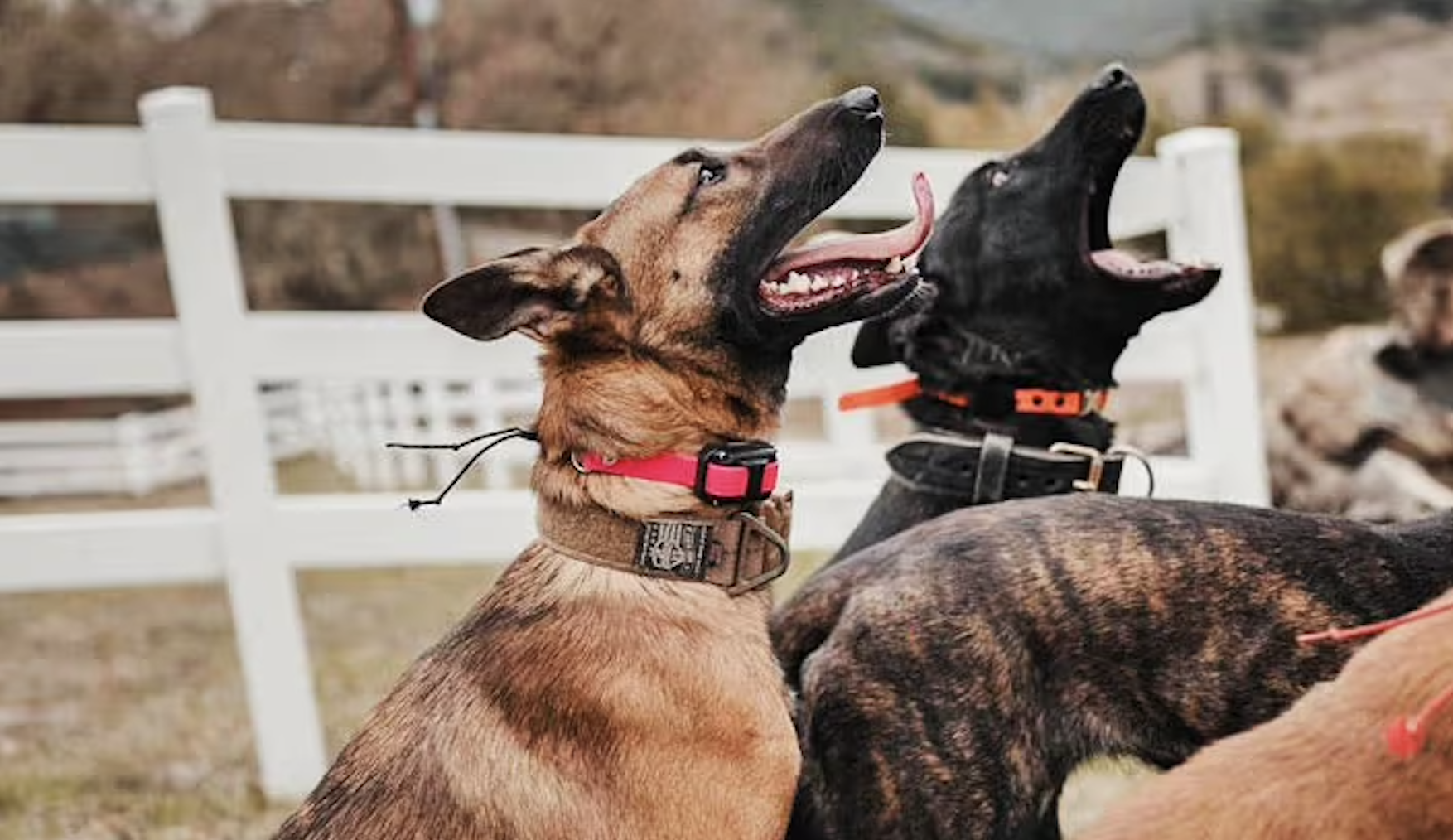
Correction-based training, sometimes called “aversive training” or “balanced training”, focuses on discouraging unwanted behaviors through corrections or punishments.
Common aversive techniques include:
Leash corrections (with or without a prong collar)
Verbal reprimands
Spray bottles
Electronic collars (e-collars)
The idea is that if a behavior results in an unpleasant consequence, your dog will stop doing it. For example, if your dog pulls on the leash and receives a correction, the theory is they'll learn not to pull.
The in Between: Balanced Dog Training
Some trainers use a balanced approach that combines both rewards and corrections. The term sounds appealing—who doesn't want balance?
But here's what it usually means in practice: using positive reinforcement for behaviors the dog gets right and corrections or punishments for behaviors the dog gets wrong.
The Challenge
Balanced training can rely on aversive methods to stop unwanted behaviors. Even if treats are part of the equation, introducing fear or discomfort into training can undermine the trust and confidence you're building with those rewards. Dogs learn to avoid what makes them uncomfortable rather than genuinely understanding what you want from them.
The Research: What Science Tells Us
Here's where things get interesting. Modern veterinary behaviorists and animal behavior scientists have done extensive research on dog training methods, and the results are pretty clear.
Studies consistently show that positive reinforcement training is not only effective but also safer for your dog's mental and physical wellbeing.
Dogs trained with reward-based methods show fewer signs of stress, are more engaged in training, and maintain better relationships with their owners.
On the flip side, research has linked correction-based training to increased anxiety, fear, and even aggression in dogs.
A 2021 study published in PLOS ONE found that dogs trained with aversive methods showed more stress-related behaviors and were more likely to display aggression toward unfamiliar people.
The American Veterinary Society of Animal Behavior, along with most major veterinary and behavior organizations, recommends positive reinforcement as the first choice for dog training.
The Gist: Positive Reinforcement Gets the Job Done
I get it—you might be thinking, "But will my dog really listen without corrections?" It's a fair concern, especially if you have a stubborn or high-energy dog.
The truth is, positive reinforcement training works for all types of dogs, from tiny Chihuahuas to mastiffs and pitties. It's successfully used to train service dogs, police dogs, detection dogs, and yes, even that energetic Labrador who thinks every squirrel in Lincoln Park is their personal friend.
The key is consistency, timing, and understanding what motivates your individual dog. Some dogs will do anything for chicken, while others prefer a game of tug. Finding your dog's currency makes all the difference.
Beyond the training results themselves, positive reinforcement builds trust between you and your dog.
Your pup learns that you're a source of good things and a safe person to look to when they're uncertain. Training becomes a fun bonding activity instead of something your dog dreads.
With correction-based training, dogs often comply out of fear or to avoid punishment rather than genuine understanding and trust. That's a crucial difference that affects your entire relationship.
What About "Tough" Dogs or Serious Behavior Issues?
There's a common misconception that positive reinforcement only works for "easy" dogs or basic obedience. But here's the reality: modern positive reinforcement trainers successfully work with dogs who have serious behavior issues, including reactivity, aggression, and severe anxiety.
The difference is that positive reinforcement addresses the underlying emotion driving the behavior, not just suppressing the symptom. A dog who lunges at other dogs is often scared or overstimulated. Teaching them that good things happen when other dogs are around (and teaching them an alternative behavior) is more effective long-term than punishing them for reacting.
Assessing Training Options for Your Chicago Dog
If you're looking for dog training in Chicago, you now have the information to make an educated choice.
Positive reinforcement training is backed by science, recommended by veterinary professionals, and proven effective for dogs of all breeds, ages, and temperaments.
It might take a more patience upfront (rewarding good behavior requires catching your dog doing something right), but the long-term results are worth it. You'll have a well-trained dog who's confident, happy, and genuinely wants to work with you.
Interested in Trying Positive Reinforcement?
I work using positive reinforcement methods because I've seen firsthand how well they work (and from past experience, how poorly correcting reactive dogs turned out in the end).
That said, I don't judge other trainers for the methods they use, and I definitely don't judge clients who've tried different approaches in the past. Every dog owner is doing their best, and I'm here to meet you wherever you're at in your training journey.
Whether you're starting from scratch with a new puppy, dealing with some challenging behaviors, or just want to strengthen your bond with your dog, I'd love to help. Book a free consultation and let's talk about what's going on with your pup and how we can work together to make training fun, effective, and stress-free for both of you.
Explore My Services
Puppy Training | Obedience Training | Reactivity Training | Behavior Modification | Puppy Board & Train
Questions about private training, process, or board and train? Reach out!