
Why Your Dog’s Behavior Changes After Moving to a New Chicago Neighborhood
Many Chicago dogs experience behavior changes after a move because their environment becomes unpredictable. Noise levels, new dogs, elevator patterns, and foot traffic all affect how safe a dog feels — and safety drives behavior. Whether it’s from Lincoln Park to the West Loop or from a quiet walk-up to a busy high-rise, it can completely shift how your dog behaves. New smells and unfamiliar routines all add pressure that many dogs don’t know how to handle right away.
If your dog has suddenly become reactive, more vocal, clingier, or just off, you’re not alone. Behavior changes after a move are one of the things I’m called for. Here’s why it happens, what it means, and how you can support your dog as they settle in.
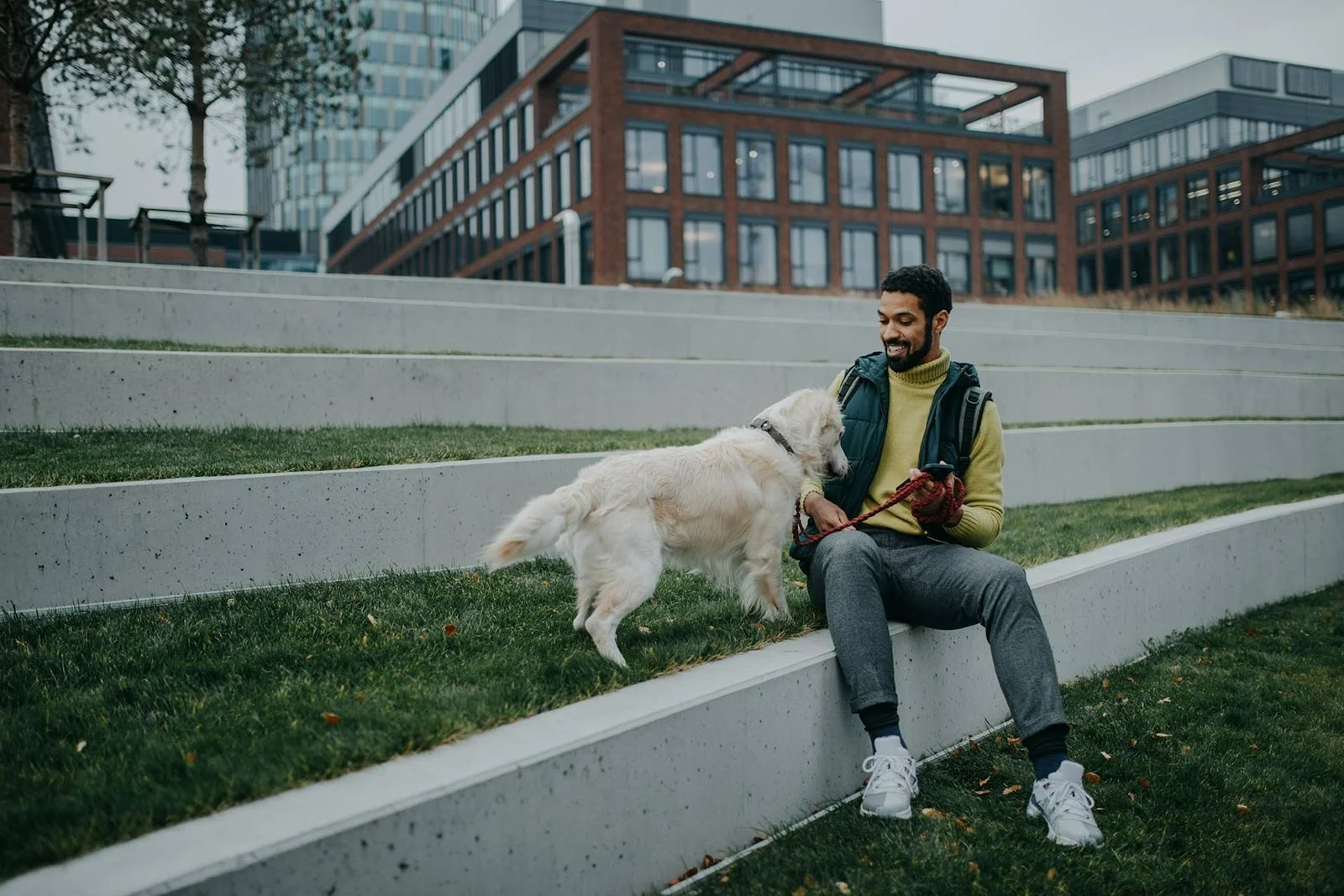
1. New Environments = New Stressors
Dogs rely heavily on familiarity. I often see dogs who move from quieter areas like Ravenswood or Andersonville into busier neighborhoods like Fulton Market or Logan Square suddenly struggle with reactivity or settling indoors. When you move, everything your dog used to predict — the route you walked, the noises outside your window, who they might meet in the lobby — disappears overnight.
Common stressors after a move:
new elevator sounds and vibrations
louder traffic or more foot traffic
different smells from building hallways
new dogs near your apartment door
different lighting, flooring, furniture, etc.
Even confident dogs can feel like they’re starting over. If the change in behavior has you unsure whether it’s normal adjustment or something that needs structured help, you can browse all of my Chicago dog training services.
2. Dogs Can Struggle in Busier Neighborhoods
This is especially true when moving to a more active area like East Lakeview or Lincoln Park, where every walk includes bikes, kids, strollers, dogs passing at close range, and unpredictable sidewalk moments.
Even dogs who never used to bark or pull might suddenly:
freeze or stare
bark at other dogs
struggle to settle in the home
show more reactivity on leash
need behavior support for guarding new resources or spaces
3. Many Dogs Regress Before They Improve
Regression is completely normal and temporary. As your dog learns the new rhythms of the environment, their nervous system begins to settle. That’s when training becomes most effective.
You may notice:
more vocalizations
clinginess or separation issues
more alert barking
Behavior change after a move is usually not a “bad dog” problem, it’s a stress and predictability problem.
If Behavior Doesn’t Improve
If your dog is still struggling after a few weeks, there may be:
unrecognized stress triggers
brewing fear-based reactivity
resource guarding tendencies
a mismatch between fulfillment needs and the new environment
anxiety around the building or neighborhood
These issues respond best to structured, relationship-focused training. If you’re feeling overwhelmed or unsure what your dog needs, you can always reach out to me directly. I’d love to help.
I can help you determine whether what you’re seeing is normal adjustment or something that deserves a more tailored plan.
How to Support Your Dog Right Now (Simple, Not Training Advice)
You don’t need to overhaul your entire routine. A few small adjustments can help your dog feel more grounded:
keep walks predictable, even if they’re short
give your dog extra decompression time in quieter areas
maintain feeding, potty, and sleep routines
provide easy enrichment that doesn’t overstimulate
let them explore their new home at their own pace
Once your dog feels secure, you can layer in training that reinforces confidence and calmness in the new environment.
Final Thoughts
A move within Chicago may not seem like a big deal to us, but for a dog, it’s a complete life reset. If your dog is acting differently after settling into a new neighborhood, it doesn’t mean something is wrong; it means they’re trying to adjust. With clarity, consistency, and the right support, most dogs bounce back quickly.
If you’d like help during the adjustment period (or you’re already seeing behavior changes that worry you), you can explore my services or get in touch anytime.