
Resource Guarding in Dogs: How Chicago Trainers Address Food and Toy Issues
Resource guarding sounds intense. In practice, it can be quieter and more subtle than people expect.
A dog stiffens when someone walks by their bowl. Freezes over a chew. Hovers over a toy. Maybe growls once, and suddenly everyone’s on edge.
That doesn’t mean you have an aggressive dog. It means your dog is worried about losing access to something important.
For many Chicago households, this shows up alongside other stress-based behaviors and can feel overwhelming fast. The key is understanding what’s actually happening and what helps.
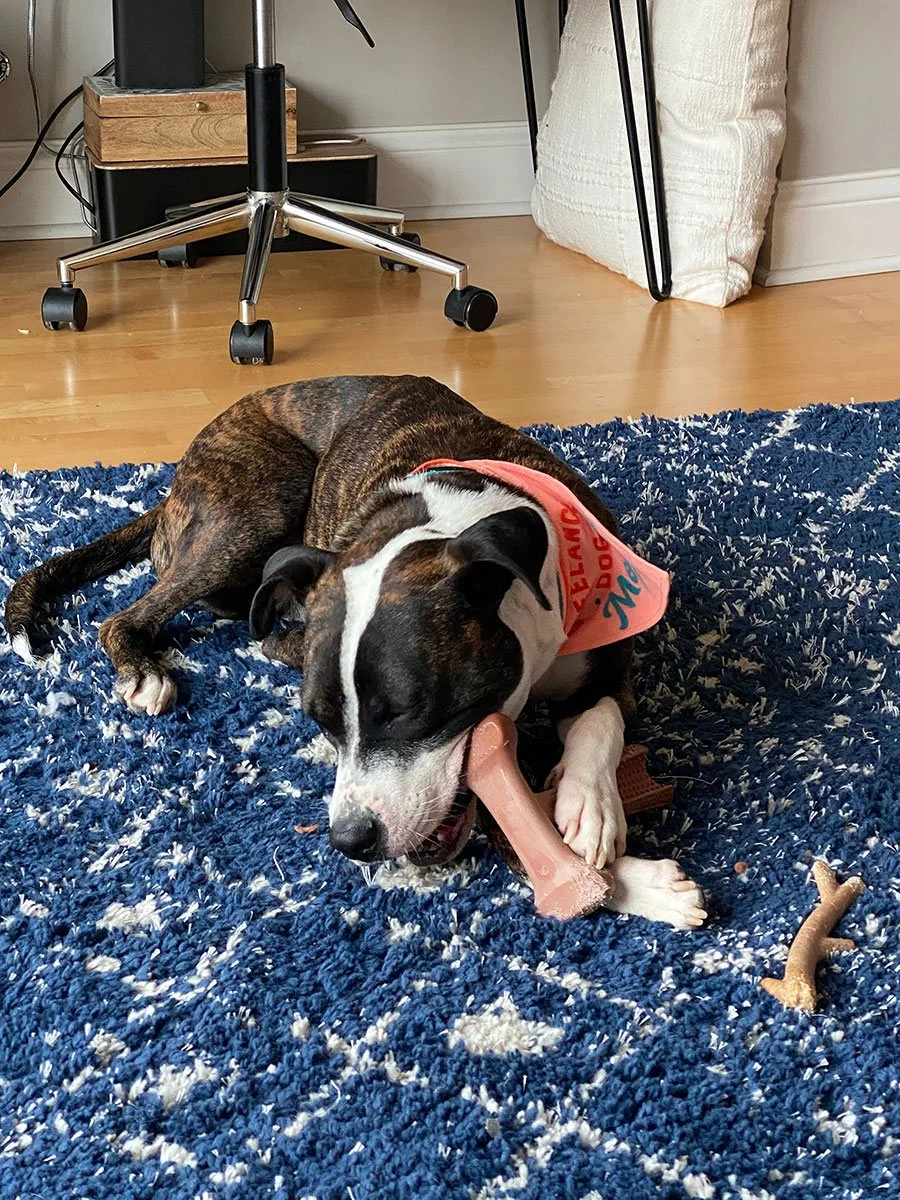
What resource guarding is (and what it isn’t)
Resource guarding is when a dog uses behavior to keep access to something they value.
Examples of resources:
Food or food bowls
Chews or bones
Toys
Found items (yes, socks count)
Certain spaces
Guarding exists on a spectrum. Some dogs show mild signs like freezing or hard eye contact. Others escalate to growling or snapping if they feel pressured.
What resource guarding isn’t:
A dominance issue
A sign your dog is spoiled
Automatically aggression
Aggressive behaviors can show up within guarding, but the root issue is insecurity, not intent.
Why dogs develop resource guarding behaviors
Dogs guard when access feels uncertain. That uncertainty can come from:
Early competition for food or objects
Past experiences where items were taken suddenly
Living in busy or shared environments
General anxiety or lack of control
In Chicago homes, space matters. Apartments, shared kitchens, roommates, kids, visiting dogs — all of this adds pressure. When dogs feel like they need to hold onto what they have, guarding makes sense.
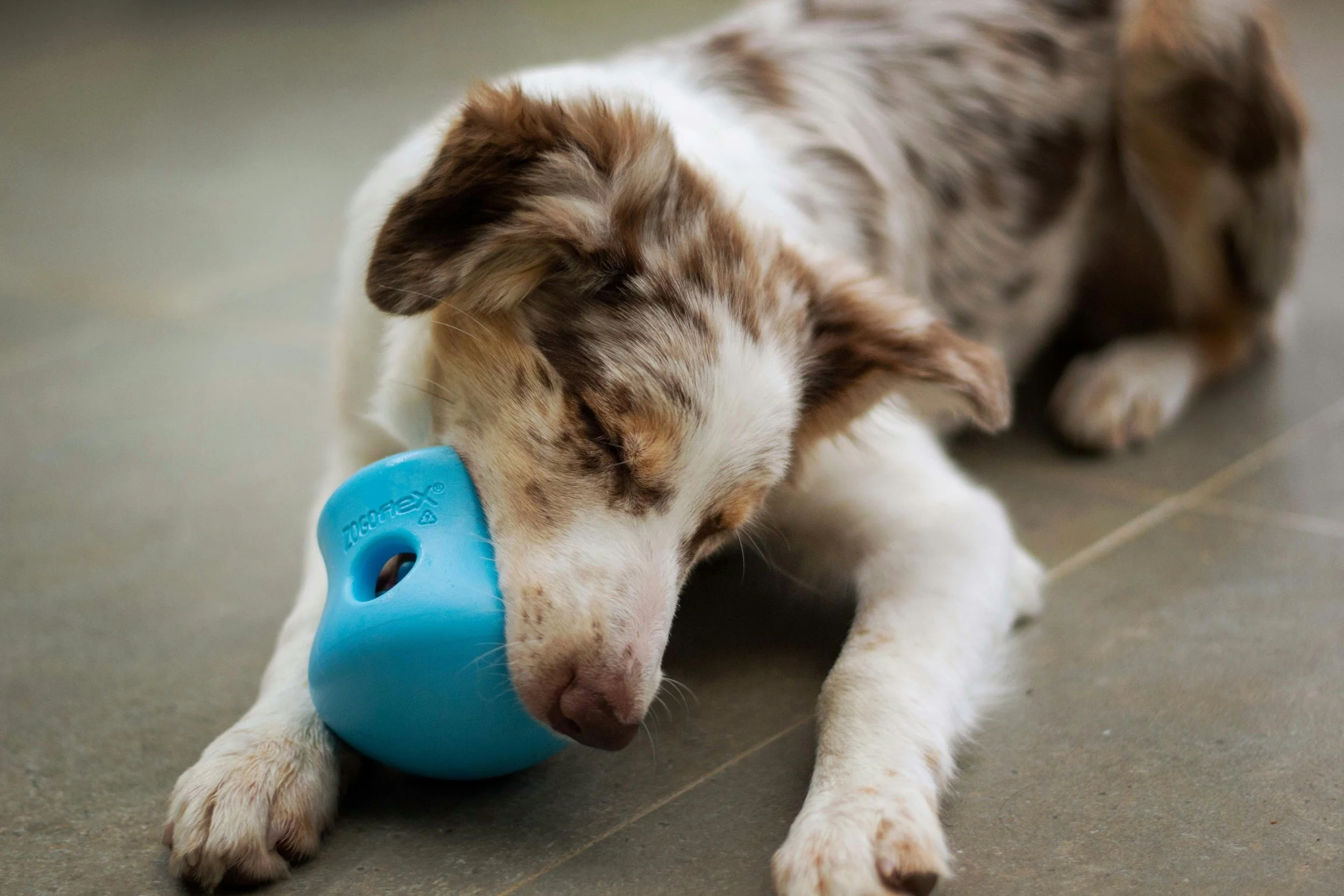
Why punishment and “testing” make guarding worse
A lot of common advice around resource guarding backfires.
Old school trainers with outdated methods might suggest…
Taking food away to “show leadership”
Correcting growls
Forcing trades before a dog is ready
These approaches increase stress and confirm the dog’s fear: this thing really might disappear. When warning signs are punished, dogs don’t feel better — they just stop warning. That’s how guarding turns into bites that feel unpredictable.
Effective training doesn’t challenge the dog. It reduces the need to guard in the first place.
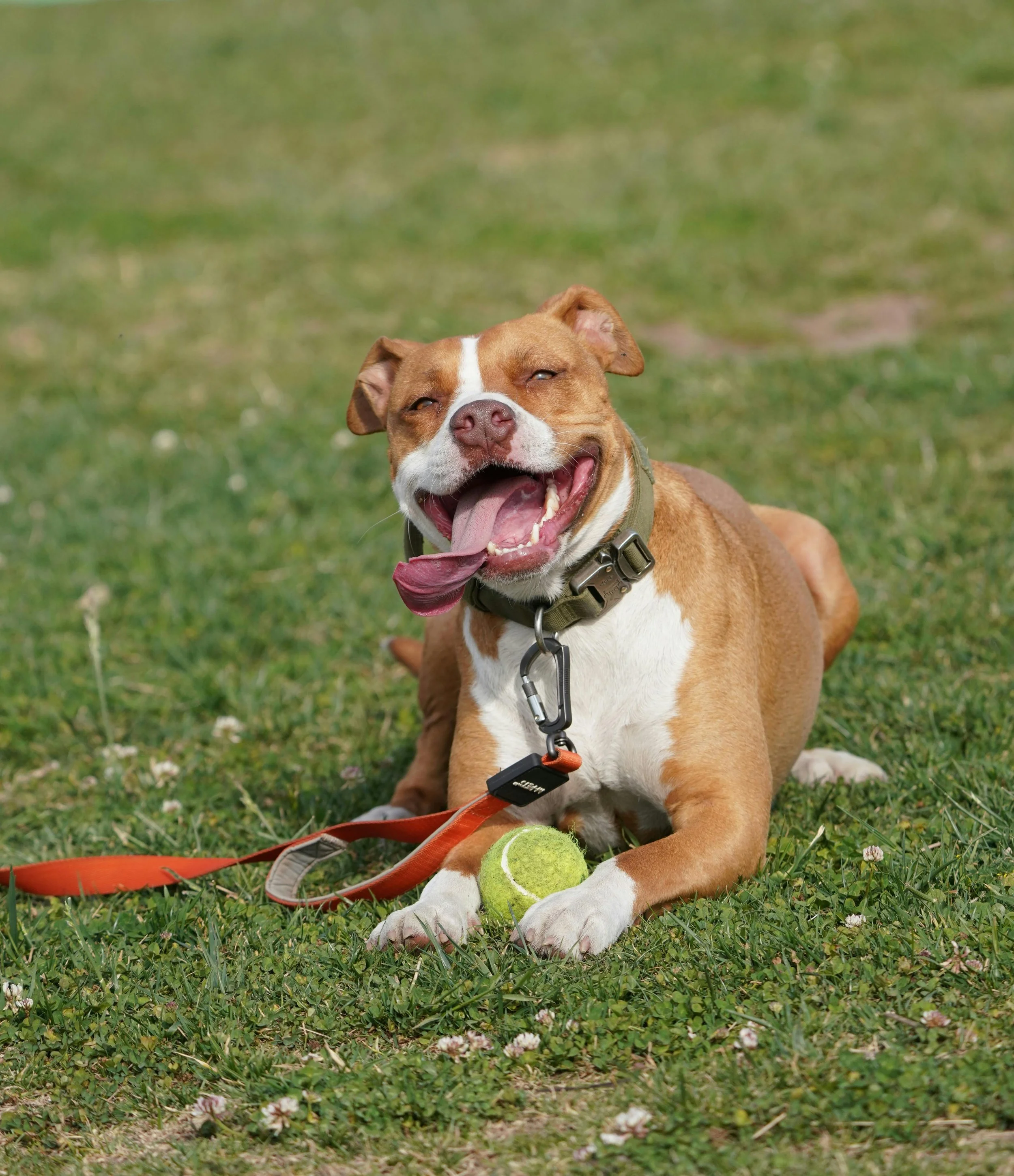
Food guarding vs toy guarding (and why it matters)
Food guarding and toy guarding often get lumped together, but they usually come from different places.
Food guarding tends to be more emotional. Meals are predictable, limited, and biologically important. When a dog worries that food might disappear, the response can feel intense even if the behavior looks subtle. Freezing, hovering, or eating faster are all common signs long before growling ever shows up.
Toy guarding is often tied to arousal instead. The dog isn’t always worried about survival, they’re caught up in possession, excitement, or play patterns that escalated without clear boundaries. That’s why toy guarding can feel more situational or inconsistent.
Both matter, but they’re worked through differently. Treating them the same is one reason people feel like they’ve “tried everything” and still feel stuck.
How private trainers approach resource guarding in Chicago
Resource guarding training isn’t about proving trust. It’s about building it.
A solid plan usually starts with:
Management to prevent rehearsal
Predictable routines around food and toys
Clear rules that stay consistent
Teaching the dog that people near resources = good outcomes
Progress comes from repetition and predictability, not pressure.
This is why at-home dog training is so effective for guarding issues. The behavior happens in real spaces, with real routines, and real triggers. Training needs to happen there too.
You can learn more about that approach on my In-Home Dog Training page.
What progress with resource guarding looks like
Progress can feel quiet. It doesn’t look like testing the dog or proving trust. It looks like the dog softening over time. Meals feel calmer. Body language loosens. The dog recovers faster if something unexpected happens.
Sometimes the biggest sign of progress is what doesn’t happen anymore — no freezing, no hovering, no need to escalate.
That kind of change takes consistency, not confrontation.
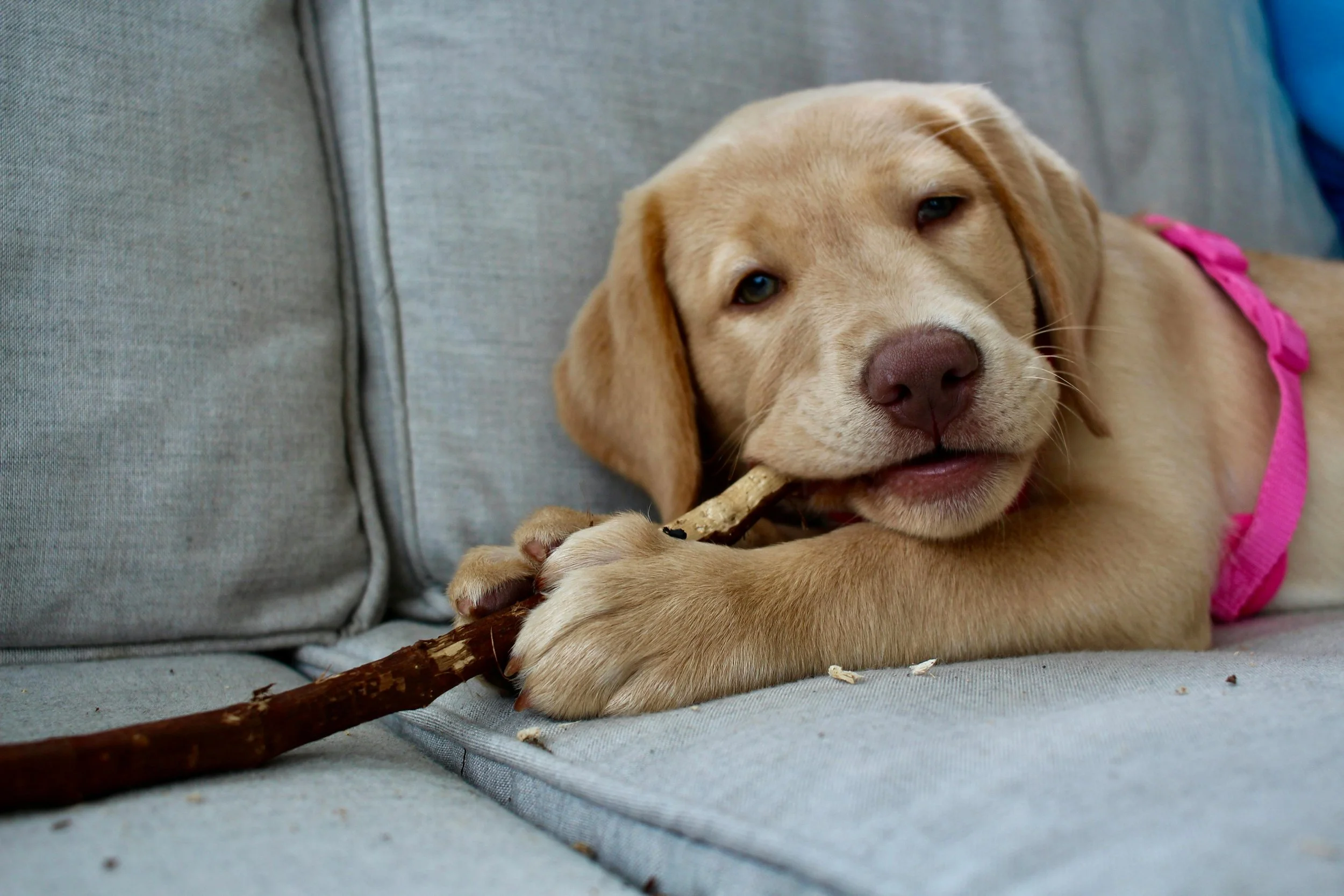
When it makes sense to work with a trainer
You don’t need to wait for a serious incident to get help.
If you’ve started changing how you move around your dog, avoiding certain situations, or feeling tense during meals or playtime, that’s already information worth paying attention to. The earlier guarding is addressed, the easier it is to reduce risk and stress for everyone involved.
Private training is especially helpful when:
Guarding happens in shared spaces
Kids, guests, or other pets are involved
The behavior feels unpredictable
You want guidance without pushing your dog too fast
My Private Dog Training programs are designed around your home and your routines — not forcing dogs to tolerate things before they’re ready.
Support without labeling your dog
Resource guarding doesn’t mean your dog is aggressive. It means they’re trying to feel secure. With the right structure and support, most dogs learn they don’t need to protect their resources so intensely. As that stress fades, other parts of life usually get easier too — walks, settling, and daily routines included.
If guarding is creating tension in your home, it’s okay to get help early. Schedule a consultation to get started with resource guarding training in Chicago.
Steady progress beats dramatic fixes every time.