
Obedience Training in Chicago: What Dogs Need at Different Stages
Most people don’t look for obedience training because they want a “perfect” dog. They’re looking because something feels off.
Walks are harder than expected. Focus disappears outside. Cues work one day and not the next. Or things were fine for a while, and now they’re… not.
What’s often missing isn’t effort — it’s the right kind of support for where your dog is right now. Obedience training looks different depending on a dog’s age, experience, and environment. And in a city like Chicago, those differences matter.

Everyday manners matter most in shared spaces like apartment buildings.
Why Obedience Training Looks Different for Every Dog
Most people don’t look for obedience training because they want a “perfect” dog. They’re looking because something feels off.
Walks are harder than expected. Focus disappears outside. Cues work one day and not the next. Or things were fine for a while, and now they’re… not.
What’s often missing isn’t effort — it’s the right kind of support for where your dog is right now. Obedience training looks different depending on a dog’s age, experience, and environment. And in a city like Chicago, those differences matter.
When Should a Dog Start Obedience Training?
Dogs can benefit from obedience training at almost any age — the key is adjusting expectations to match their stage of life.
Puppies often start working on obedience skills as distractions increase, while adult dogs may need support refining consistency or rebuilding routines after changes. There’s no “too late” point. Obedience training works best when it meets dogs where they are, rather than waiting for a perfect age.
How Long Does Obedience Training Take?
There isn’t a set timeline for obedience training, because progress depends on the dog, the environment, and what’s being worked on.
Some people notice improvement within a few sessions, especially with day-to-day frustration points like walks or greetings. Longer-term consistency builds over time, as skills are practiced in different situations and routines.
Obedience training isn’t a finish line — it’s a process that becomes easier as communication improves.
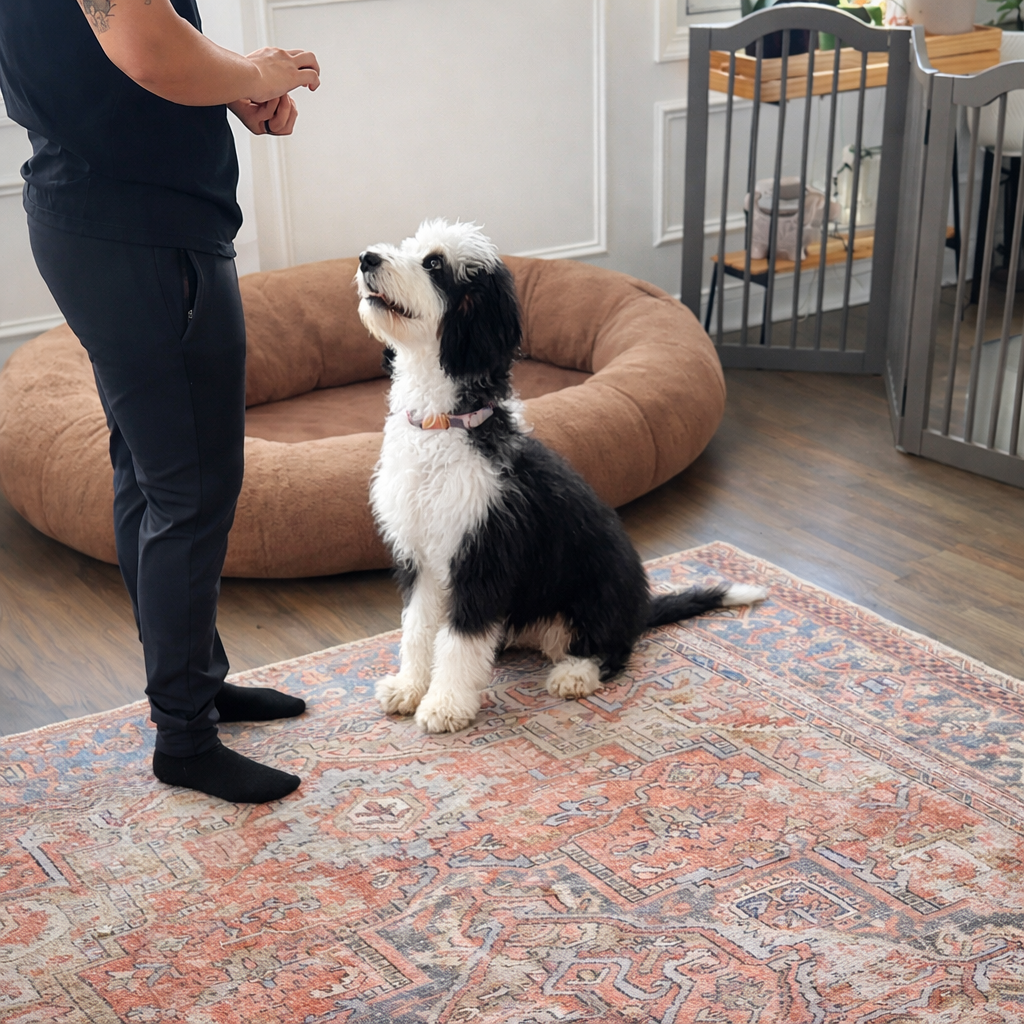
Puppy obedience training focuses on building follow-through as distractions increase.
What Puppies Need From Obedience Training
Puppies are learning fast, but their brains are still very much under construction.
Early on, many puppies can follow cues in quiet settings. Then distractions show up. Walks get busier. Curiosity kicks in. Suddenly, everything feels harder. This is where puppy obedience training comes in.
The focus isn’t strict rules — it’s helping puppies build follow-through as their world expands.
That often includes things like staying engaged on walks, learning to pause before reacting, and settling when excitement runs high.
Puppy obedience training supports this stage by meeting puppies where they are and letting skills grow alongside them. The goal is to prevent the common “they knew this last month” frustration by adjusting expectations as puppies mature.
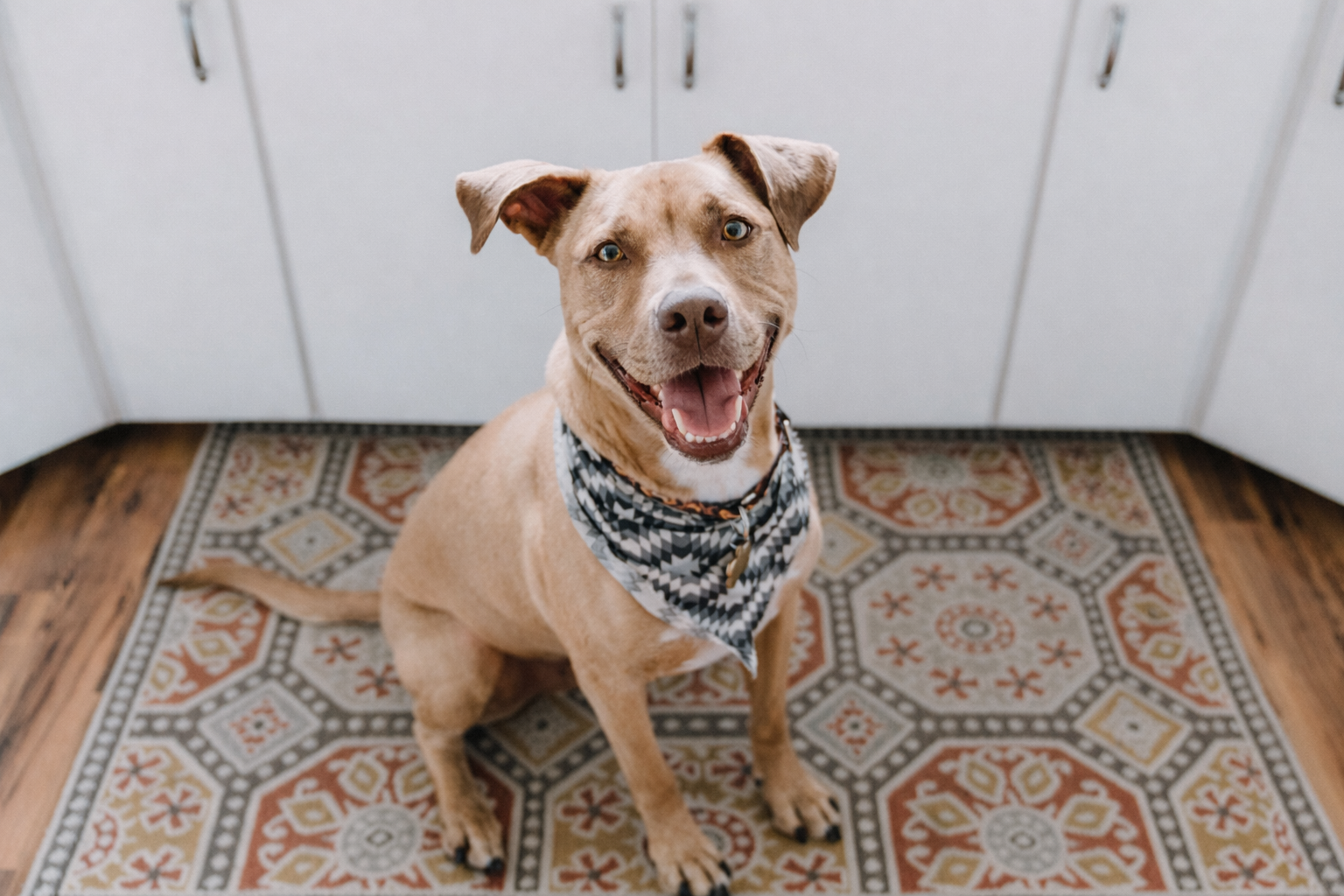
Clear expectations help adult dogs pause, settle, and make better choices in daily routines.
What Adult Dogs Need From Obedience Training
Adult dogs often come with history. Some had training years ago. Some were adopted later in life. Others learned the basics but never practiced them in busy or emotional situations.
For these dogs, obedience training isn’t about starting over — it’s about tightening communication and improving consistency. Skills need to work on sidewalks, around guests, and during everyday routines, not just during practice moments.
Adult dog obedience training focuses on that follow-through. It helps bridge the gap between “my dog knows this” and “my dog can actually do this when it matters.”
This stage is especially helpful when behavior hasn’t exploded, but life feels harder than it should.

Busy city environments like Lakeview are where obedience skills really get tested.
Why Environment Matters (Especially in Chicago)
A dog’s environment plays a bigger role in obedience than most people expect.
Shared hallways. Tight sidewalks. Other dogs everywhere. Constant movement. These aren’t small details — they shape how dogs respond and what training needs to look like.
Training that works in a quiet setting may fall apart in a busy neighborhood if it isn’t adjusted. That’s why location-aware training is important.
For example, dog training in Lakeview, Chicago takes into account dense foot traffic, shared buildings, and high-distraction walks. Training plans need to match the reality dogs are navigating every day.
Common Questions People Ask About Obedience Training
Is obedience training just for puppies?
Nope! Obedience training supports dogs at every age — the focus just changes as dogs grow.
What if my dog already knows the basics?
That’s common. Many dogs need help using skills consistently, not learning them for the first time.
Is obedience training the same as fixing problem behavior?
Sometimes it overlaps, but not always. Obedience training focuses on clarity and everyday skills. Behavior modification addresses emotional responses like fear or reactivity.
How long does obedience training take?
There’s no set timeline. Progress depends on the dog, the environment, and what’s being worked on. The goal is steady improvement that sticks.
The Big Picture
Obedience training isn’t about control or perfection. It’s about helping dogs understand what’s being asked of them and feel capable navigating daily life.
When training matches a dog’s stage and environment, things start to feel easier. Walks improve. Communication gets clearer. And the relationship feels more connected instead of stressful.
That’s what effective obedience training looks like — especially in a city that doesn’t slow down.