
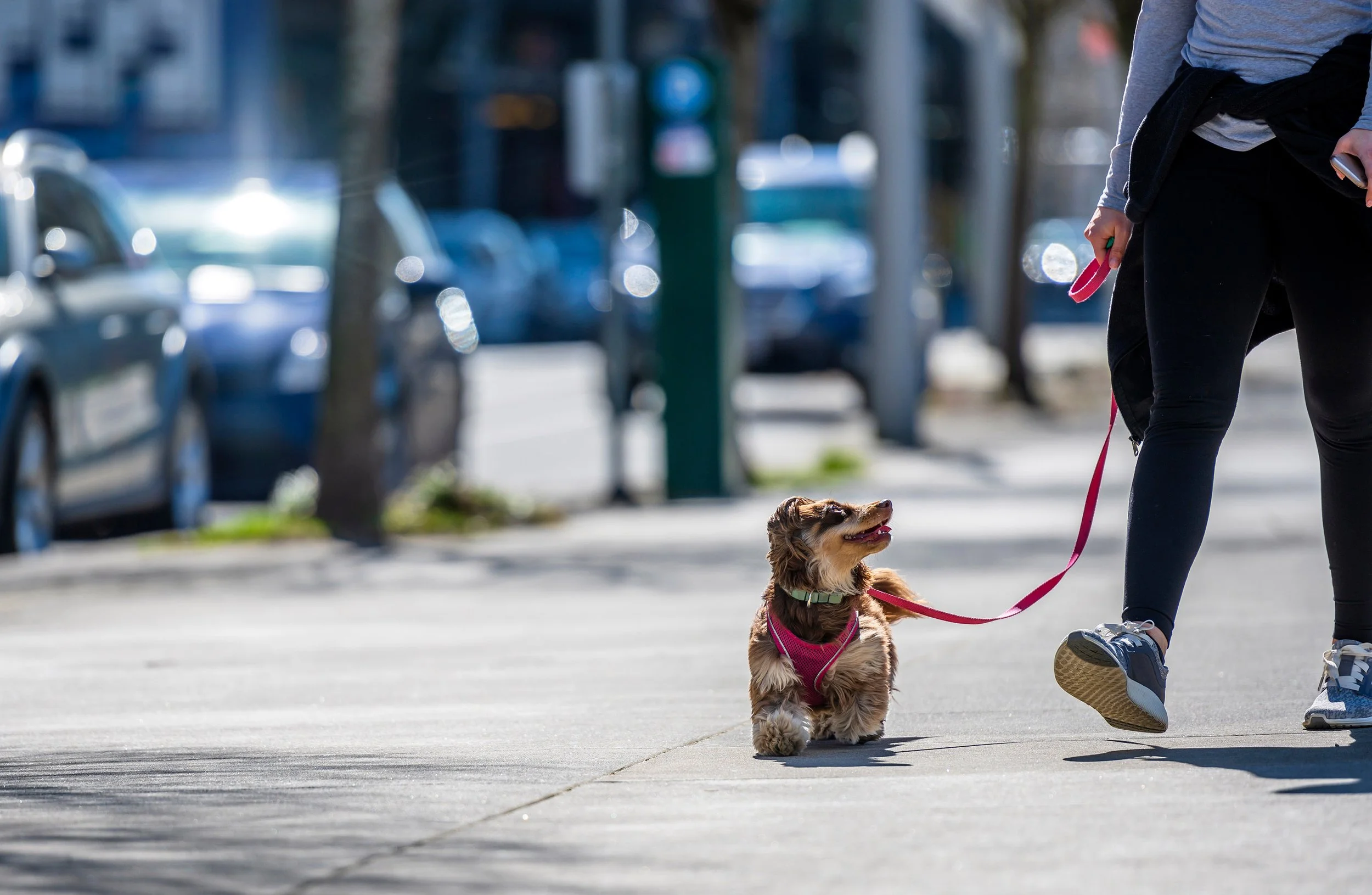
Leash Walking Training for Dogs in Chicago
Private, in-home leash walking training focused on smoother walks, lighter leash tension, and helping dogs and people enjoy getting outside together.
When walking feels harder than it should
Walking your dog shouldn’t feel like a workout, a negotiation, or something you dread. And yet, for a lot of people, walks turn into pulling, zig-zagging, stopping every few steps, or feeling disconnected the moment you step outside.
That doesn’t mean you’re doing anything wrong — and it doesn’t mean your dog is being difficult. Leash walking training focuses on helping dogs understand how to move with you on leash, so walks feel steadier, more connected, and a lot less frustrating.
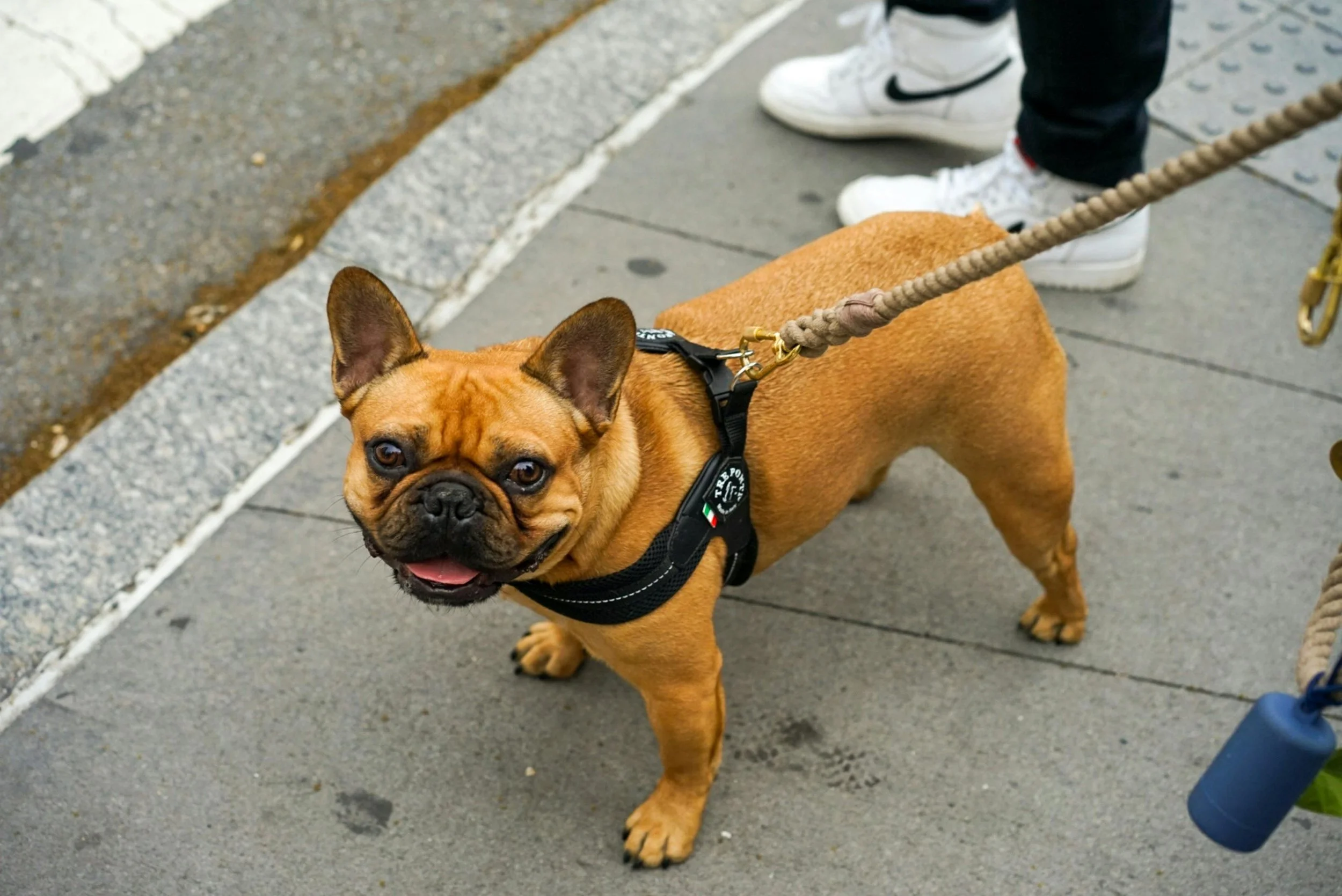
What leash walking training focuses on
Leash walking training is about how your dog moves on leash, not keeping them in a perfect position or correcting every step. The goal is a walk that feels comfortable and manageable for both of you.
Sessions are shaped around what’s actually coming up on your walks, with focus areas like:
Pulling ahead or leaning into the leash
Zig-zagging or constantly changing pace
Trouble keeping slack in the leash
Rushing, stopping, or falling behind
Losing focus once outside
Staying connected when distractions show up
Finding a walking rhythm that feels easier
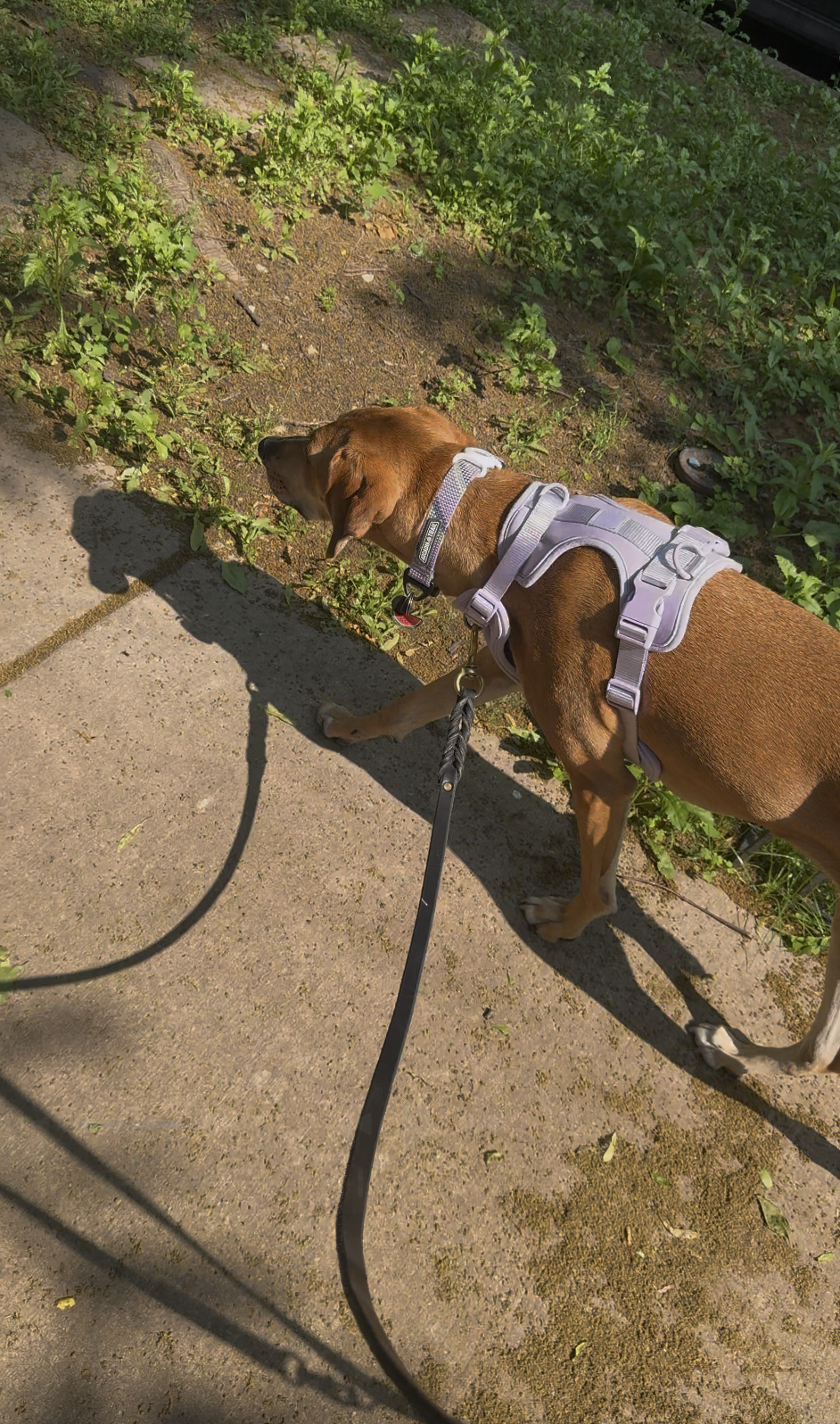
Why leash walking can be rough
Walking on leash asks dogs to balance curiosity, movement, and self-control all at once.
There’s a lot to take in, and for many dogs, it’s not obvious how to move comfortably with a person on the other end of the leash.
Pulling or inconsistent walking usually means a dog hasn’t learned how to walk with someone yet — not that they’re stubborn or ignoring you. Leash walking training breaks this down into clearer, more approachable pieces so walking together feels less confusing over time.
What loose leash walking really means
Loose leash walking doesn’t mean staying glued to your side or never stopping to sniff. It means walking with minimal tension, the ability to check in, and moving together without constant pressure on the leash.
Training focuses on building habits that support that kind of walk gradually, instead of expecting long stretches of “perfect” walking right away.
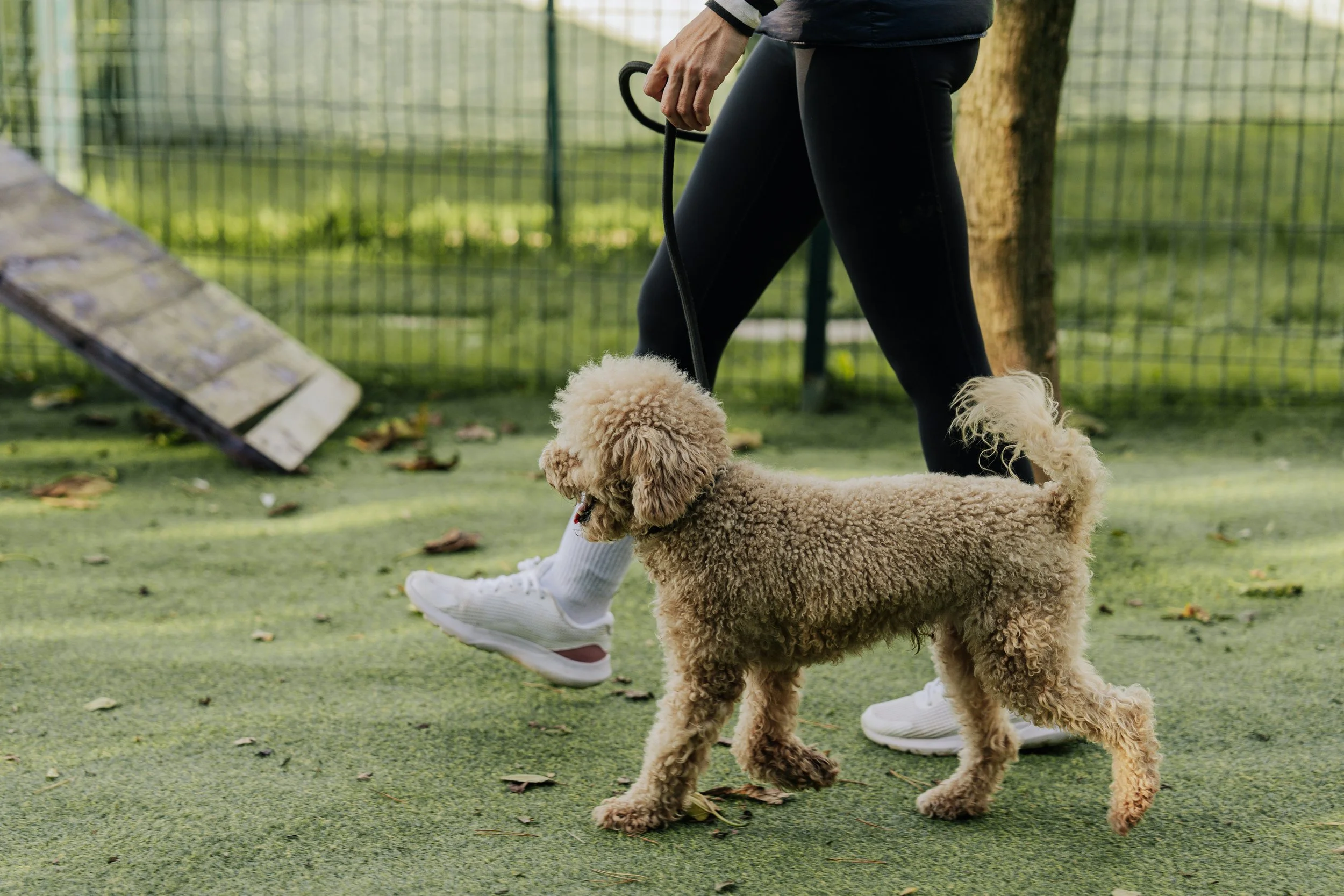
Leash walking training can be helpful for dogs who…
Pull through most of the walk
Walk nicely one moment and fall apart the next
Struggle to keep slack in the leash
Get very focused on smells, people, or movement
Have tried different equipment without much change
Are newly adopted and still figuring out how walks work
What sessions are like
How Training Works
All training is one-on-one and customized for your dog, your routines, and your goals.
1.
We start with what’s happening on walks
We talk through how walks feel right now and where things tend to fall apart — pulling, pacing, distractions, or inconsistency from block to block.
2.
We build walking skills in clear steps
Skills are taught using simple, repeatable setups that help dogs understand pacing, leash pressure, and staying connected. Patterns, repetition, and play keep learning light and approachable.
3.
We practice and adjust over time
As walking skills improve, they’re practiced in more distracting situations. You’ll get session notes and guidance after each visit so progress continues between sessions.
Frequently Asked
-
Leash walking training focuses specifically on how dogs move on leash — pacing, tension, and consistency. Leash training is broader and may also include reactivity or overwhelm on walks.
-
Yes! While most owners are really just looking for loose leash walking skills (your dog stays nearby and doesn’t pull), we can also work on heel.
-
Yes. Pulling is one of the most common reasons people reach out. Training focuses on building habits that make walking together easier over time.
-
The number of sessions depends on the dog, their history, and how long pulling or inconsistent walking has been happening. Some dogs make progress quickly, while others need more time to build consistency.
Good dogs with good reviews
-
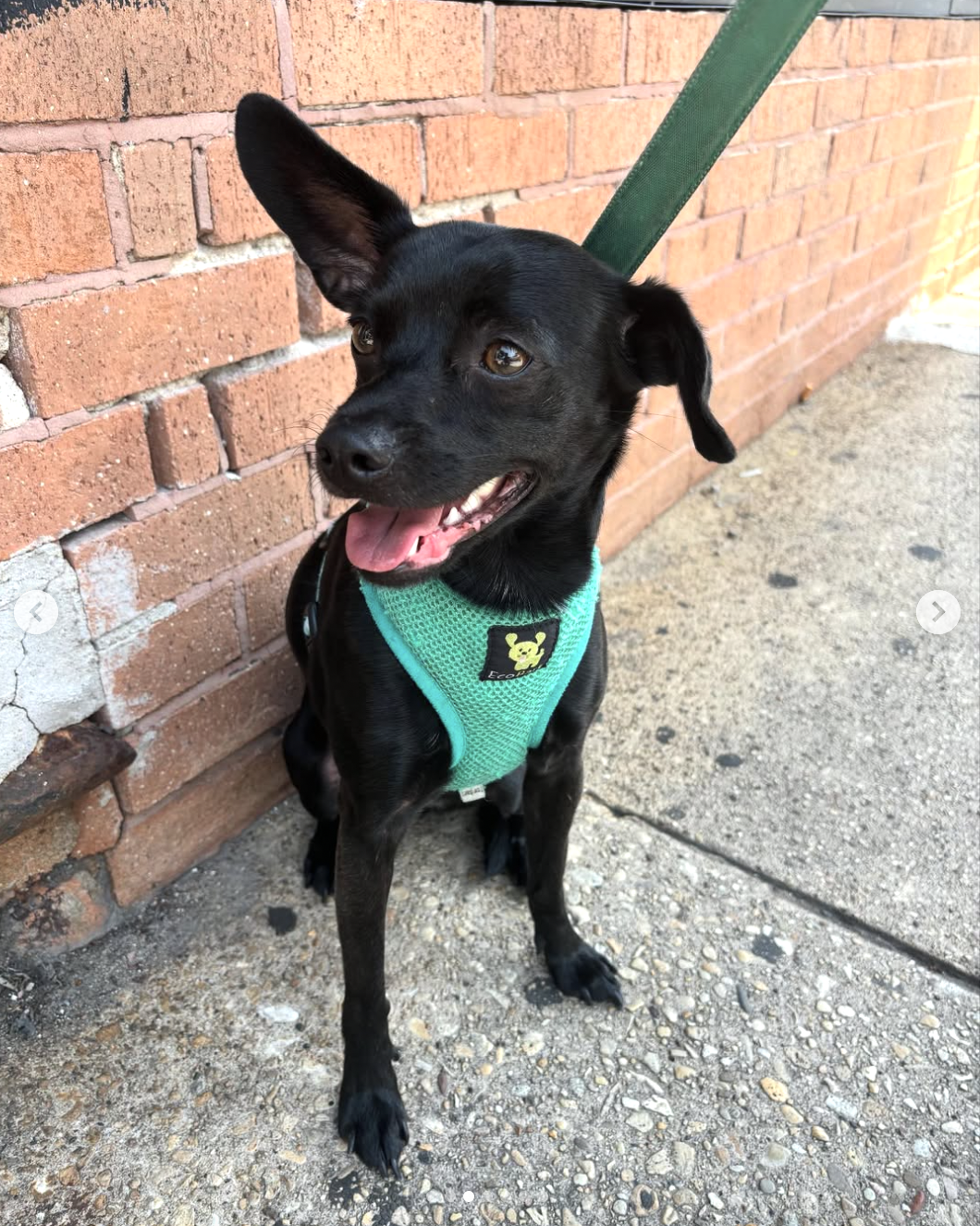
![Chihuahua working on confidence building in Lincoln Park]()
Hailey is so passionate about helping owners and their pets and she is so sweet and patient. She’s helped build confidence in my anxious little baby, and, even though she’s afraid of most people, my dog lovesss Hailey.
Megan Montgomery
-
![Mini golden doodle practicing relaxation work]()
Hailey worked with my mini goldendoodle Murphy, who is the sweetest dog but had some resource guard issues that were starting to get tricky to manage. Hailey was incredibly knowledgeable and patient — not just with my dog but with me, too! I noticed a huge difference after just a few sessions. Thank you so much Hailey!!!!!
Jenna White
-
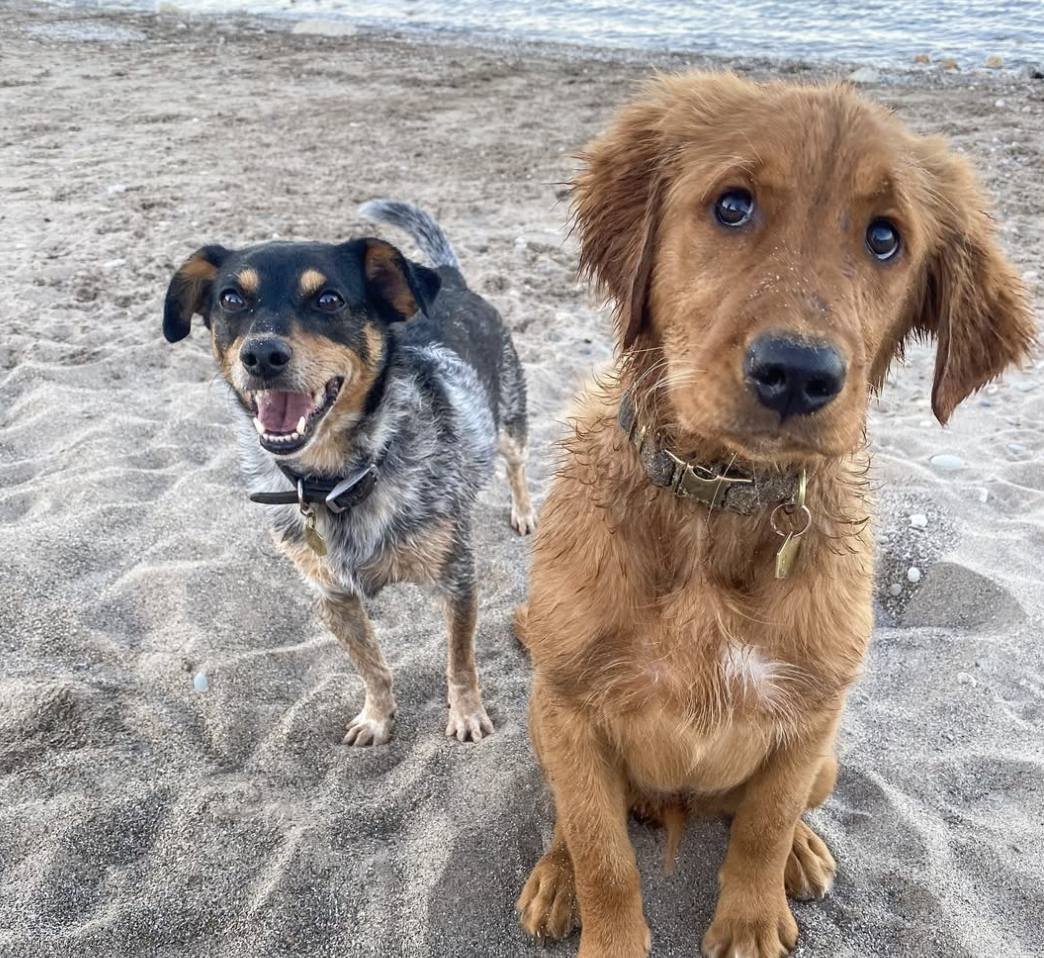
![Two dogs on a sandy beach, one sitting and the other standing, with a shoreline and water in the background.]()
Hailey is an extremely knowledgeable and compassionate dog trainer! Hailey’s best skill is her ability to meet dogs where they are at and then build deep trust to form behavioral changes. She has experience with all levels - eager puppy all the way to fearful, reactive adult.
Sarah Fitzpatrick

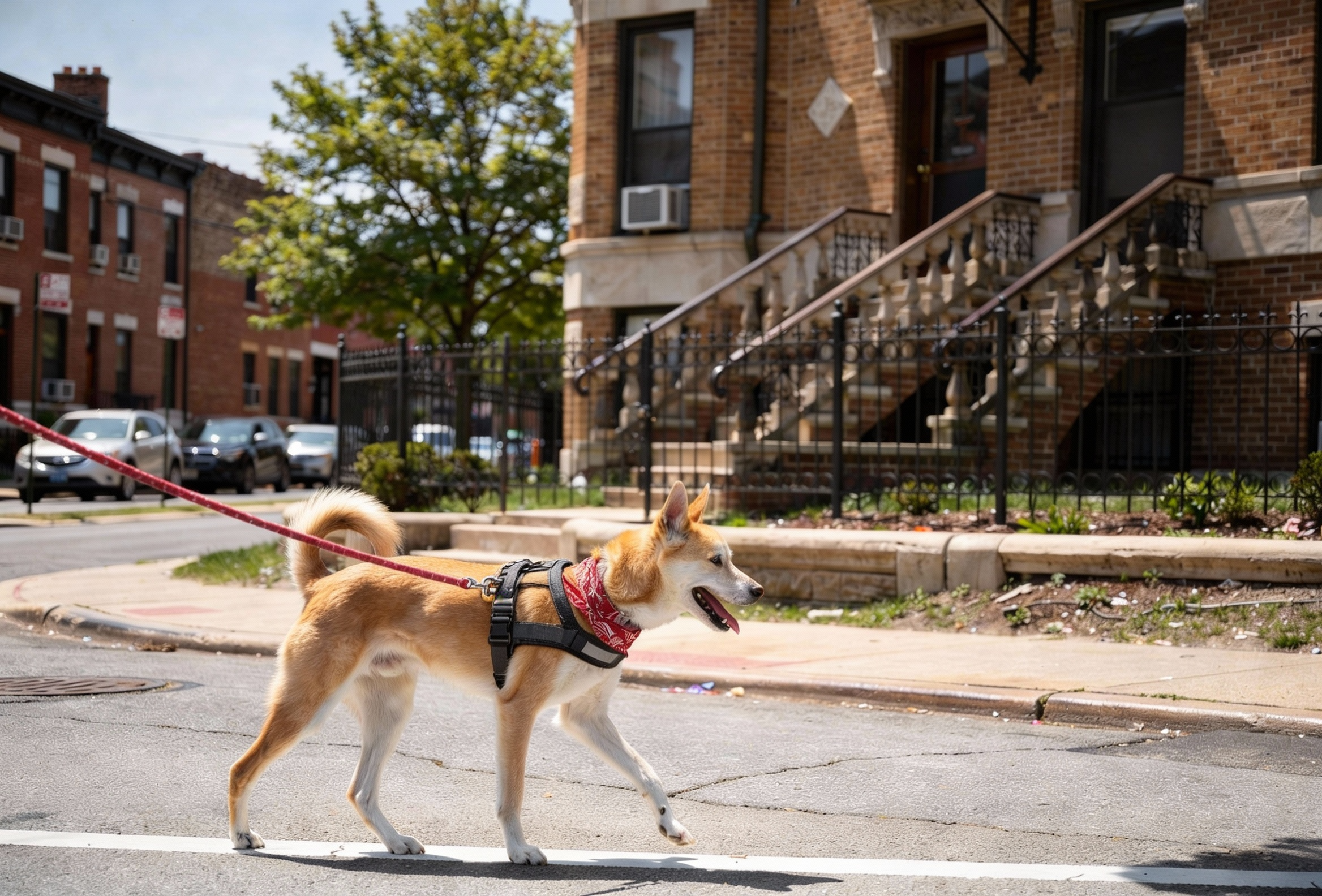
Thinking about leash walking training?
If walks feel more tiring than enjoyable, a short phone consult is an easy way to talk things through and see if leash walking training would be a good fit.
Blogs you might like
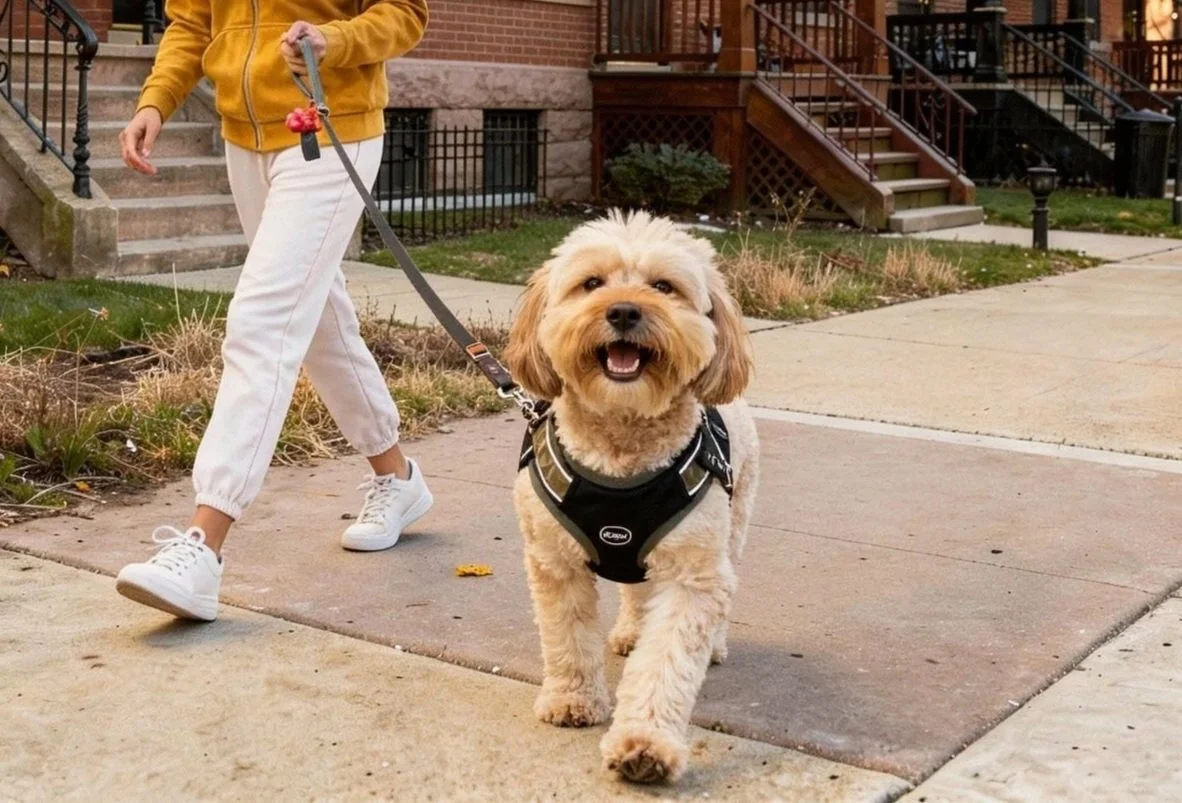
Leash Walking Training in Chicago: From Pulling to Polite Walking
Tired of stressful walks? Learn how leash walking training in Chicago helps dogs who pull, lunge, or struggle on leash—especially in busy environments.
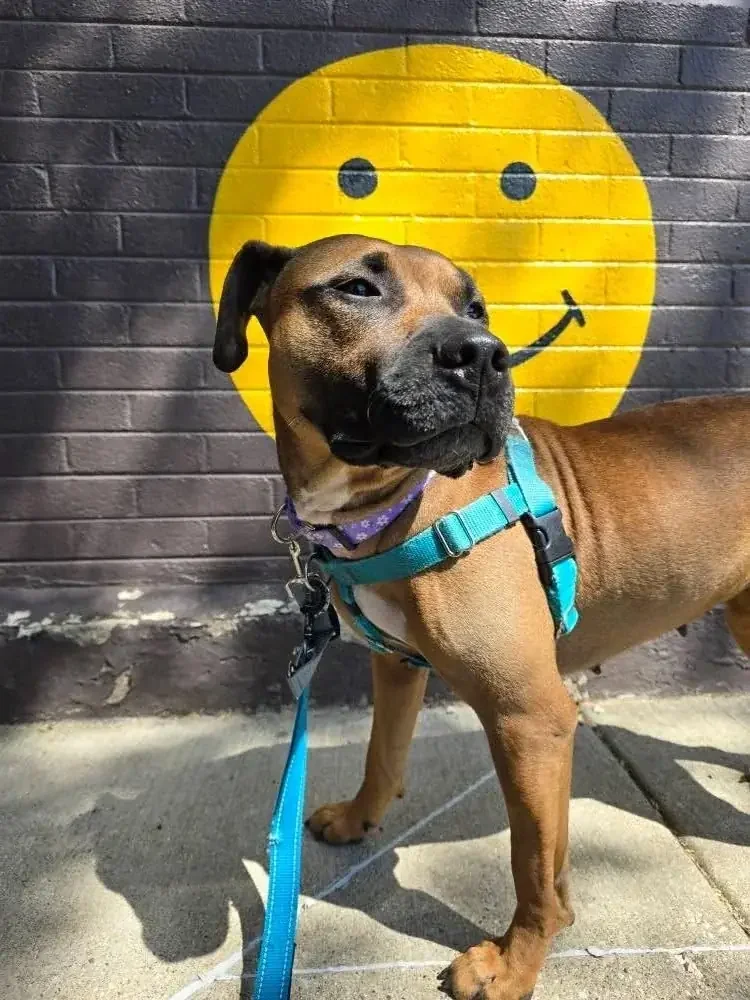
Positive Reinforcement Dog Training Not Working? Here's Why (And What to Do)
When your dogs fight, it can feel like your peaceful home just imploded. Here’s how to move forward safely, step-by-step.

Dog Training in High-Rises: Solving Elevator and Hallway Challenges
Learn how to how to handle elevator rides, narrow hallways, and surprise encounters.