
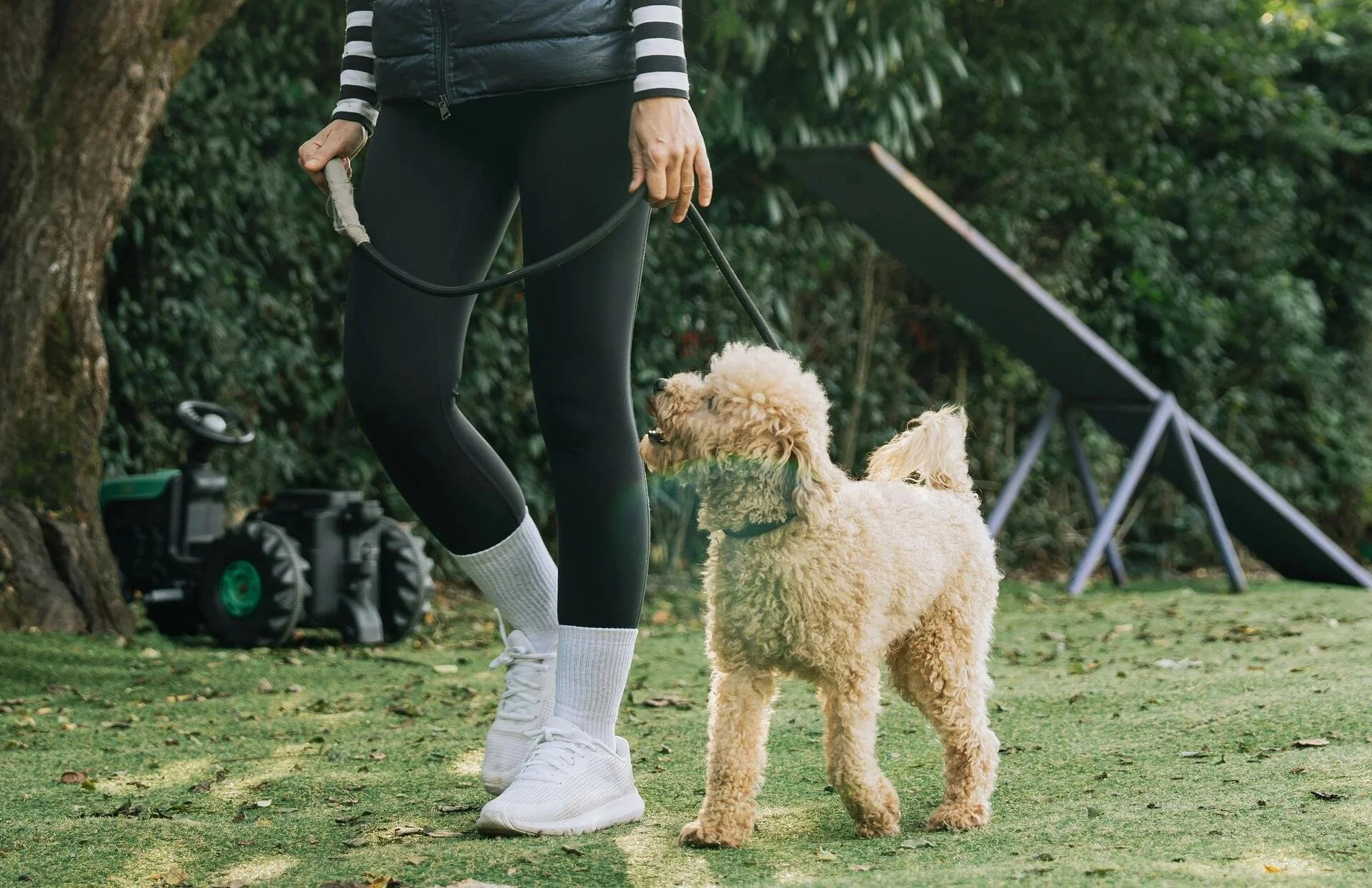
Puppy Obedience Training Chicago
Puppy obedience training focuses on helping young dogs build skills they can rely on as routines evolve. The goal isn’t perfect behavior. It’s clearer communication, better follow-through, and calmer day-to-day life as your puppy matures.
Puppy Obedience Training Services
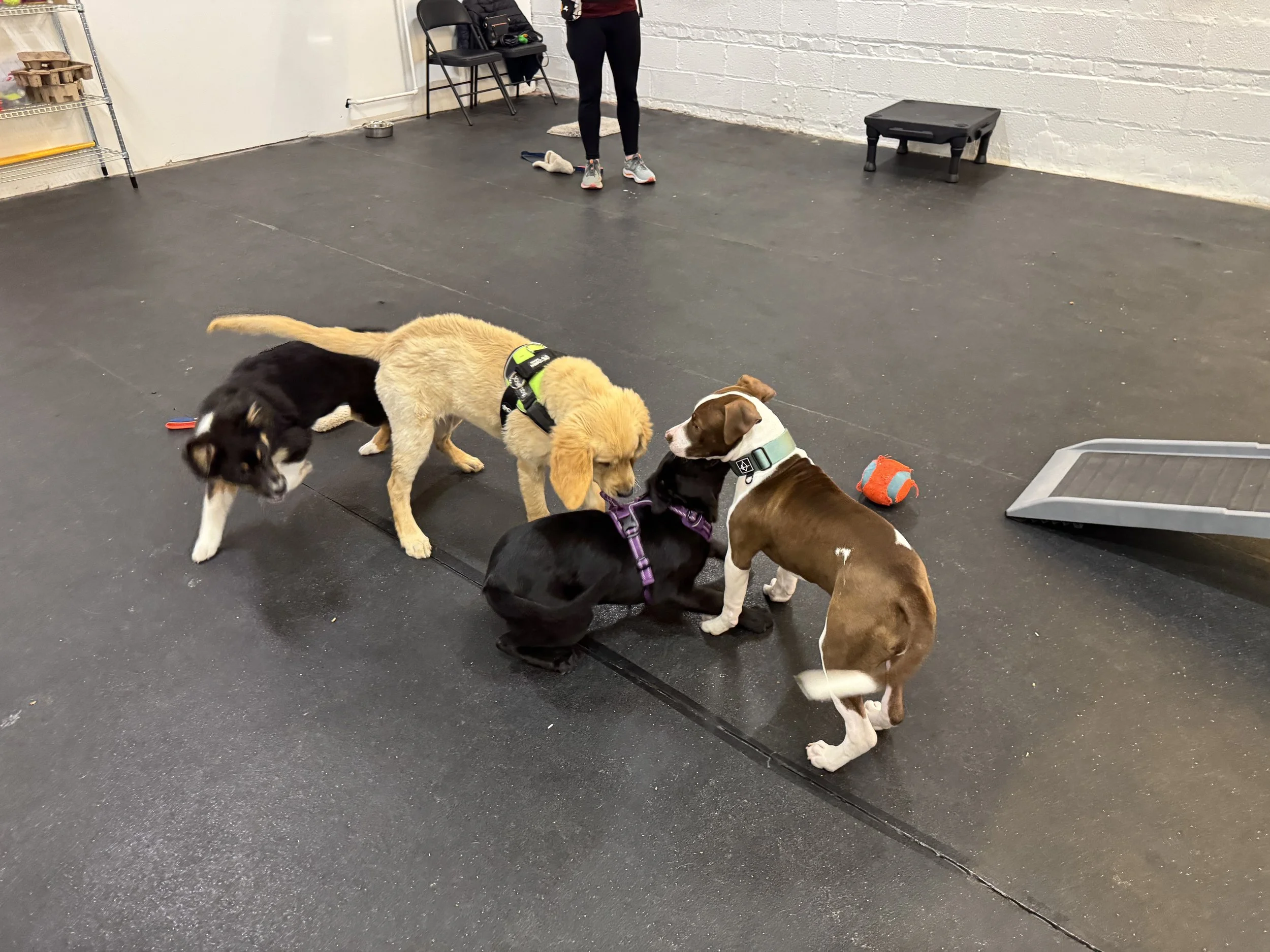
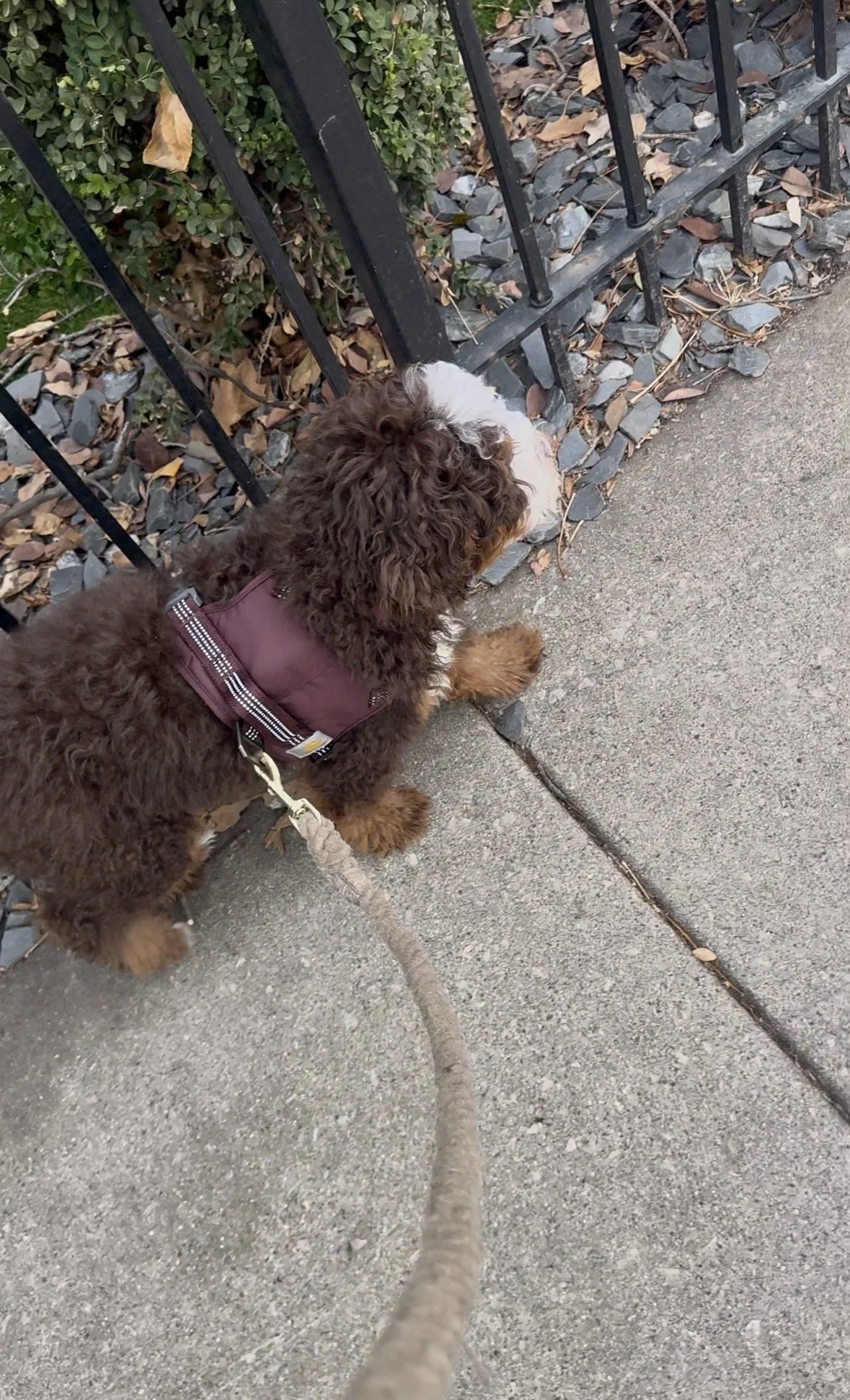
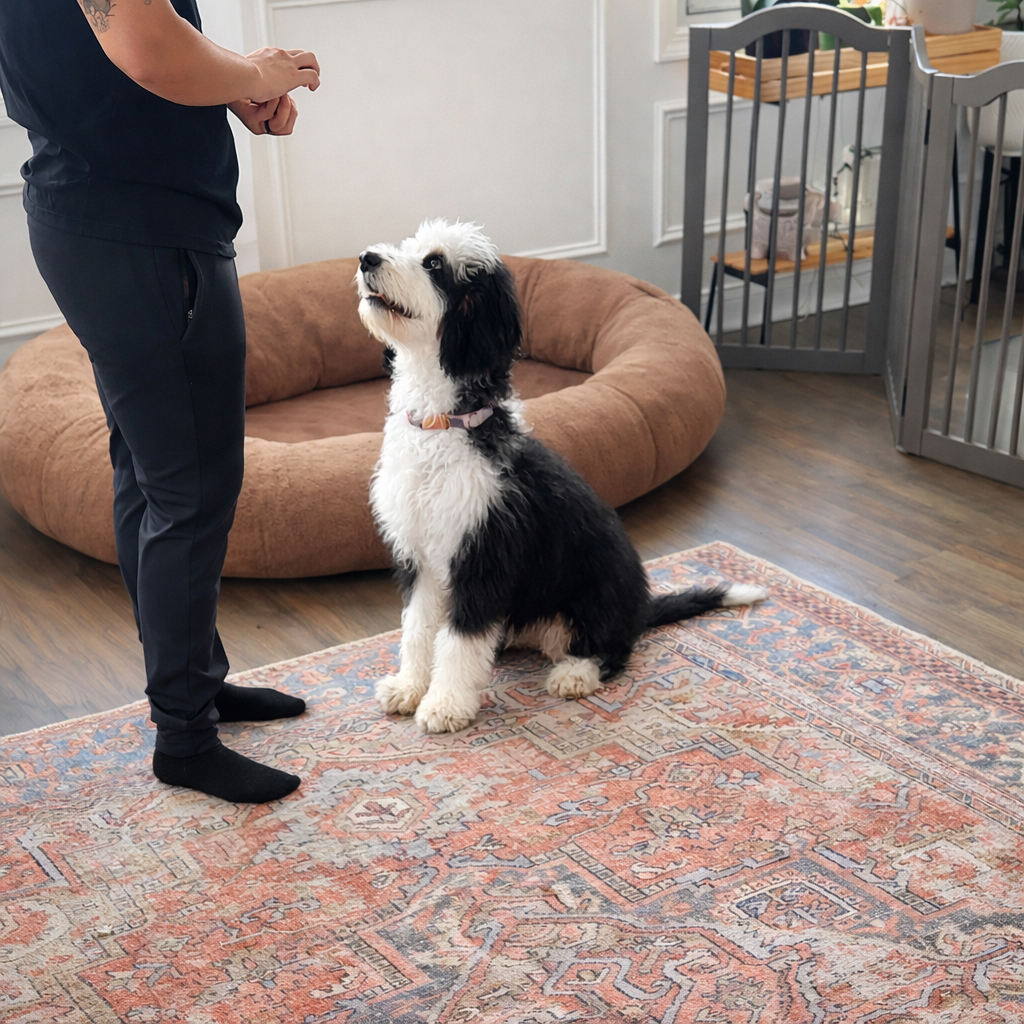
Leash Skills & Walk Manners
Helping puppies walk with more awareness and less pulling, especially in busy neighborhoods and changing environments.
Building Reliable Cues
Strengthening skills like sit, down, stay, and recall so they hold up beyond practice and feel usable in daily life.
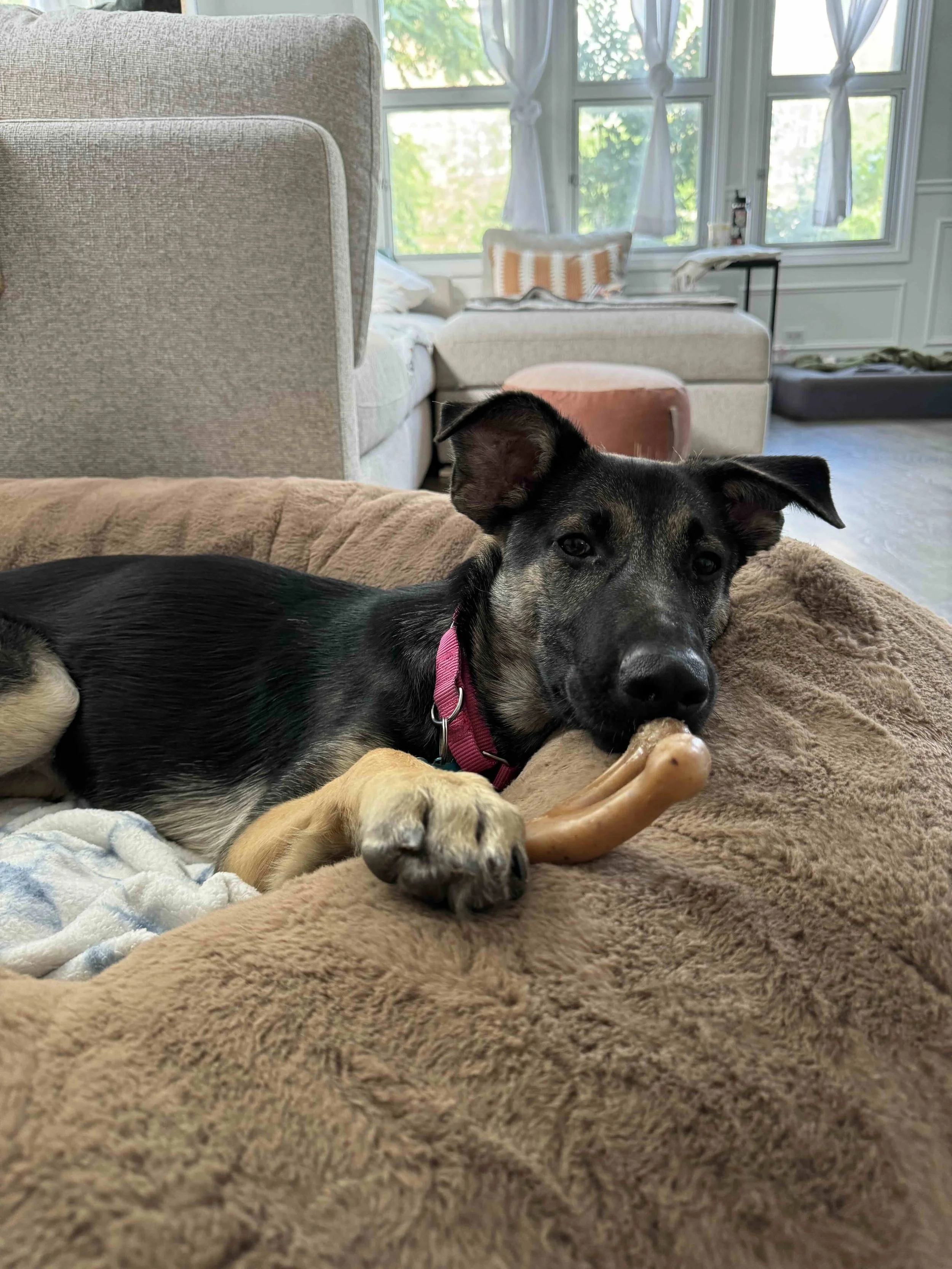
Impulse Control & Settling
Teaching puppies how to pause, regulate excitement, and settle both at home and when things feel stimulating.
Focus Around Distractions
Supporting puppies as they learn to stay engaged around people, dogs, and everyday movement.
Where Does Training Take Place?
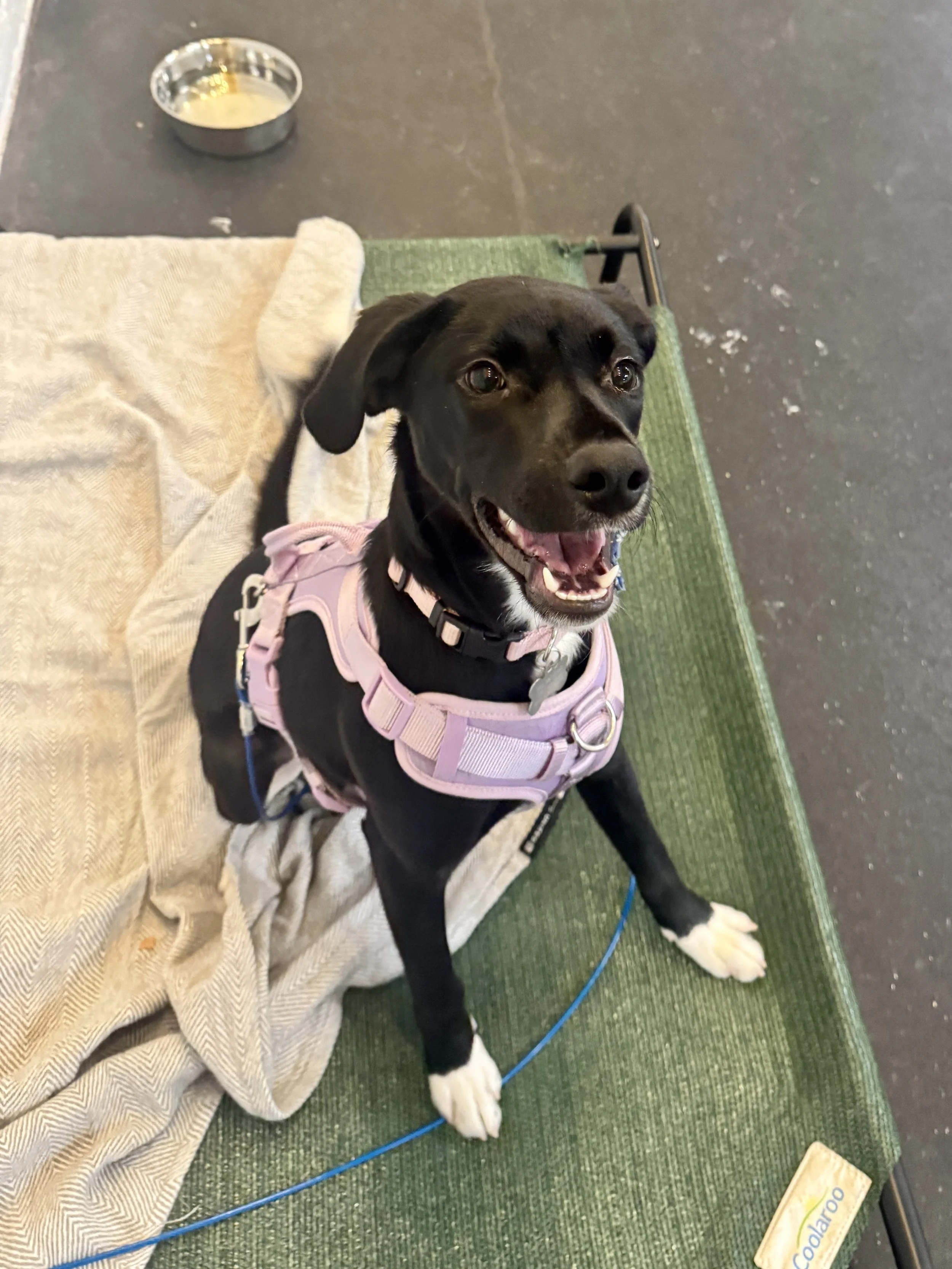
Puppy obedience training can take place in your home or at Copilot Dog Training in Avondale, depending on what feels most helpful for your puppy.
In-home sessions focus on everyday routines — walks, shared building spaces, and settling at home. Training at Copilot offers more space and carefully set-up distractions, giving puppies a chance to practice skills in a supportive, controlled environment.
Both options are meant to make training easier to carry into daily life. We’ll choose the setting that best supports your puppy as they learn and grow.
When the Stage of Puppy Training Shifts
1. Early Puppy Training
This stage is about helping puppies feel safe, settled, and oriented in their new home. The focus is on reducing overwhelm and creating predictability.
Potty training and crate comfort
Learning daily rhythms and routines
Settling skills for downtime at home
Helping puppies adjust to a new environment

2. Puppy Obedience Training
This stage focuses on skills that need to hold up as life gets busier. Puppies already have a foundation — now we work on clarity, consistency, and follow-through.
Strengthening cues beyond practice sessions
Leash skills and calmer greetings
Staying engaged as distractions increase
Supporting maturity and changing expectations
A Low-Pressure, Skill-Forward Approach
Obedience training doesn’t have to feel rigid or intense.
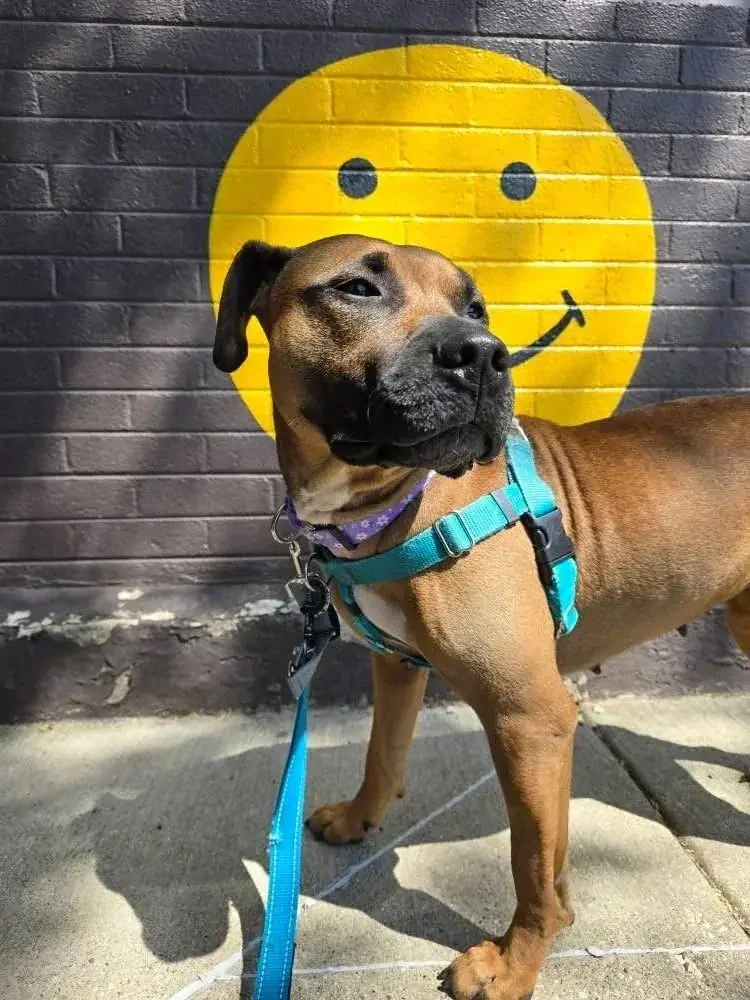
This approach focuses on teaching puppies how to succeed in everyday situations, using positive reinforcement and thoughtful pacing rather than correction.
Sessions are adjusted as your puppy develops, with an emphasis on skills that support daily life — calmer walks, better focus, and clearer communication at home. Progress isn’t rushed, and there’s no expectation that every puppy follows the same timeline.
If you’re looking for training that’s supportive, realistic, and easy to build into your routine, this approach is designed to meet you there.
Signs Puppy Obedience Training is Right for Your Dog
🎯
Your puppy struggles to stay focused around distractions
🐾
Your puppy gets overexcited around people or dogs
⏸️
Settling and impulse control are still a work in progress
🦮
Walks feel stressful, pull-heavy, or unpredictable
🧩
You want to create clearer communication
🔁
Cues work sometimes, but not when it matters

Get Started with Puppy Obedience Training in Chicago
Private puppy obedience training is available throughout Chicago. Sessions are designed to support growing puppies and the people learning alongside them. Start with a conversation about what you’re seeing and what kind of support makes the most sense right now.
Which Chicago Dog Parents Are Saying
-
![Chihuahua working on confidence building in Lincoln Park]()
Hailey is so passionate about helping owners and their pets and she is so sweet and patient. She’s helped build confidence in my anxious little baby, and, even though she’s afraid of most people, my dog lovesss Hailey.
Megan Montgomery
-
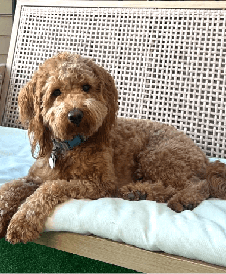
![Mini golden doodle practicing relaxation work]()
Hailey worked with my mini goldendoodle Murphy, who is the sweetest dog but had some resource guard issues that were starting to get tricky to manage. Hailey was incredibly knowledgeable and patient — not just with my dog but with me, too! I noticed a huge difference after just a few sessions. Thank you so much Hailey!!!!!
Jenna White
-
![Two dogs sitting on the beach, with water in the background. One is a brown retriever with floppy ears and a curious expression, the other is a smaller, mixed-breed black and tan dog smiling.]()
Hailey is an extremely knowledgeable and compassionate dog trainer! Hailey’s best skill is her ability to meet dogs where they are at and then build deep trust to form behavioral changes. She has experience with all levels - eager puppy all the way to fearful, reactive adult.
Sarah Fitzpatrick

FAQs
-
As early as 8 weeks. Early habits matter, and puppies go through a rapid learning window between 8–16 weeks.
-
Yes! Private in-home training is safe and recommended, especially for socialization. You avoid the risk of crowded groups while still exposing your puppy to new, positive experiences.
-
Most families see progress within 1–2 sessions. A typical foundation program is 4–6 sessions depending on your goals and your puppy’s temperament.
-
Totally normal. I’ll teach you how to redirect, reduce arousal, and prevent the behavior from becoming a long-term habit.
-
Yes! Rescue puppies sometimes need slower introduction, confidence building, and trust-based work. This is one of my specialties.
-
Yes. Many behaviors can be prevented early with the right foundation—especially with puppies who show sensitive, cautious, or over-excited tendencies.
Blogs You Might Like

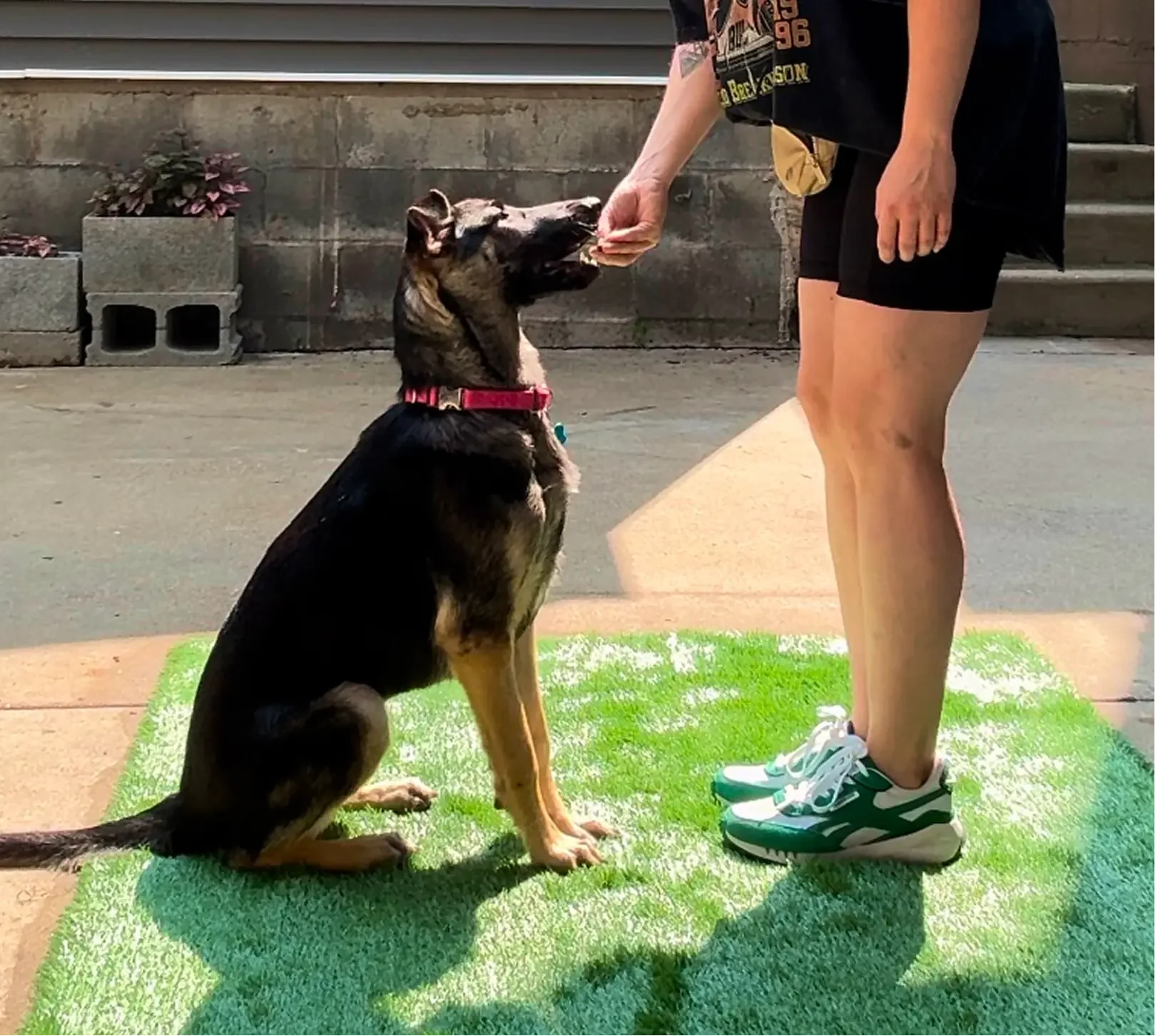
Winter Potty Training and Socialization Tips for Puppies
Puppies don’t need to wait for warm weather to learn. As a Chicago-based dog trainer, I’ll walk you through how to handle potty training and socialization during our long, chilly winters.
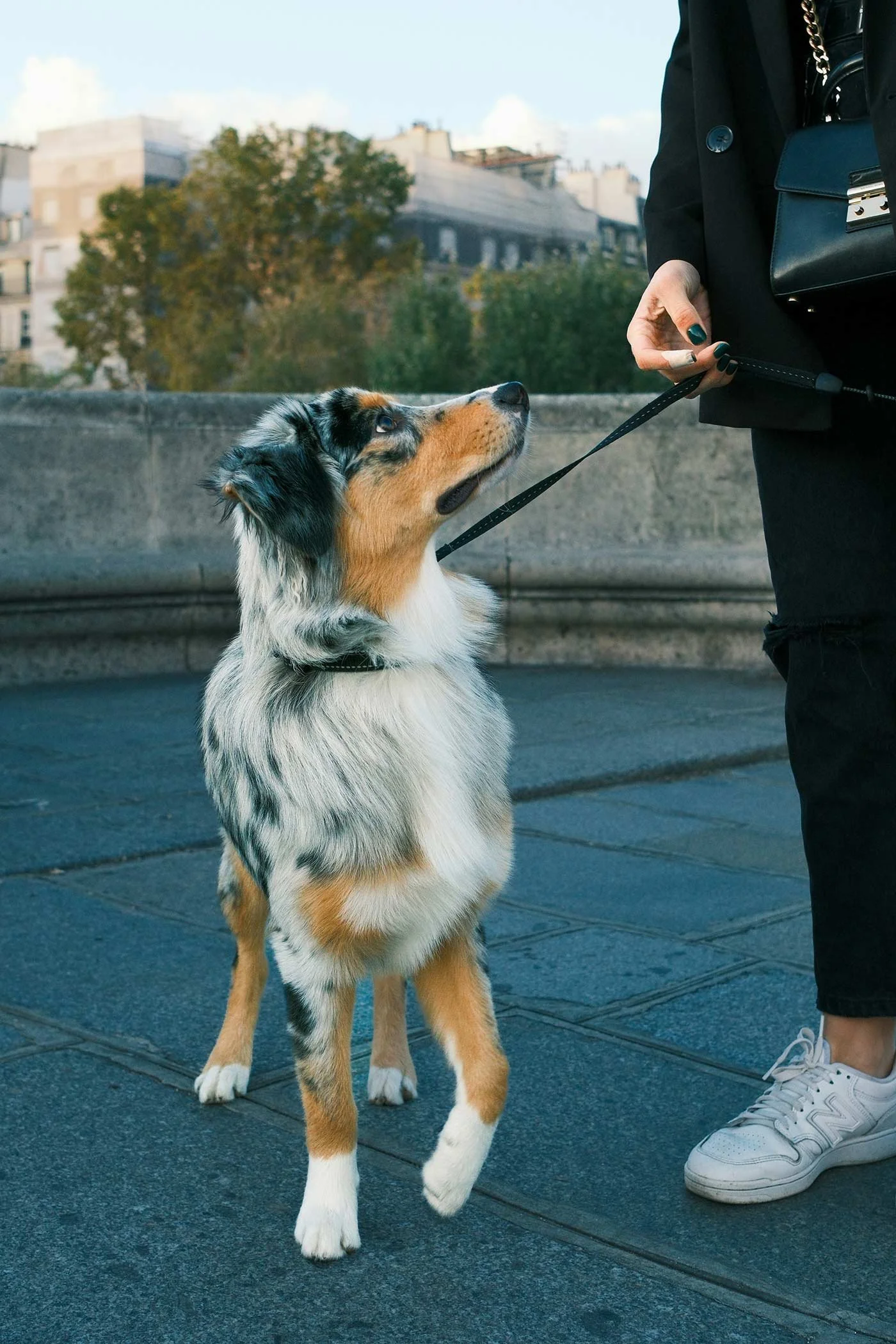
When to Start Puppy Training and What to Teach First
Congrats on your new puppy! I’ll walk you through when to start puppy training, what to teach first, and how to build good habits from day one.
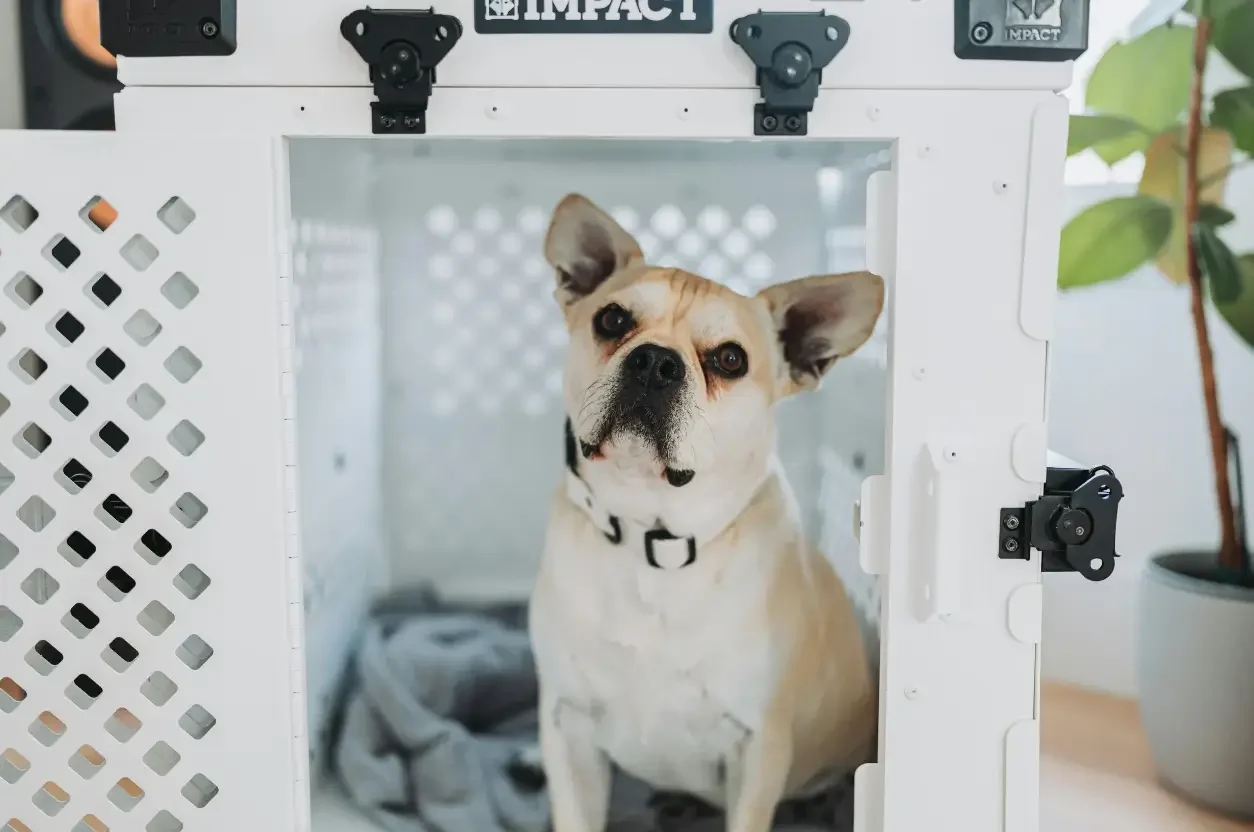
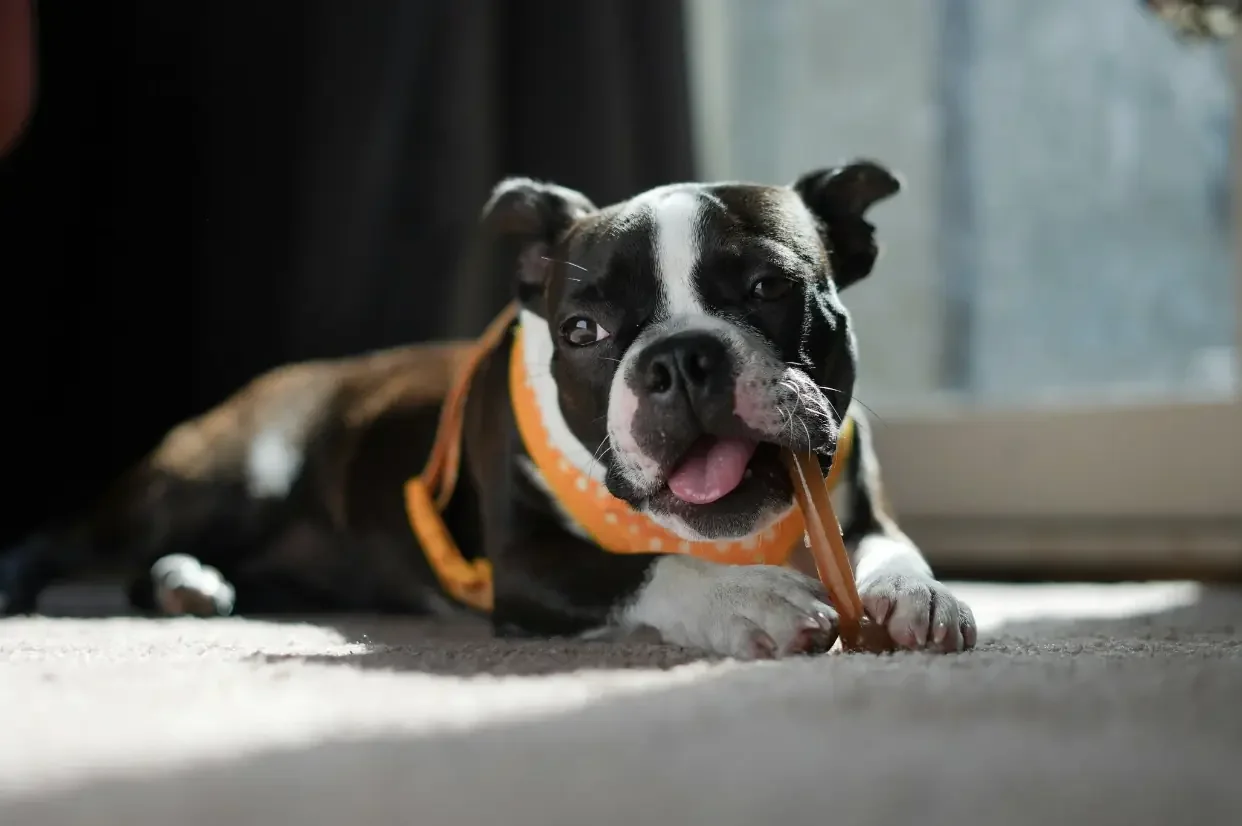
Step-by-Step Crate Training Guide for Apartments
Crate training is one of the best tools for helping potty train Chicago dogs and help them feel safe at home. Here’s my guide to building a positive crate routine that works for both you and your neighbors.