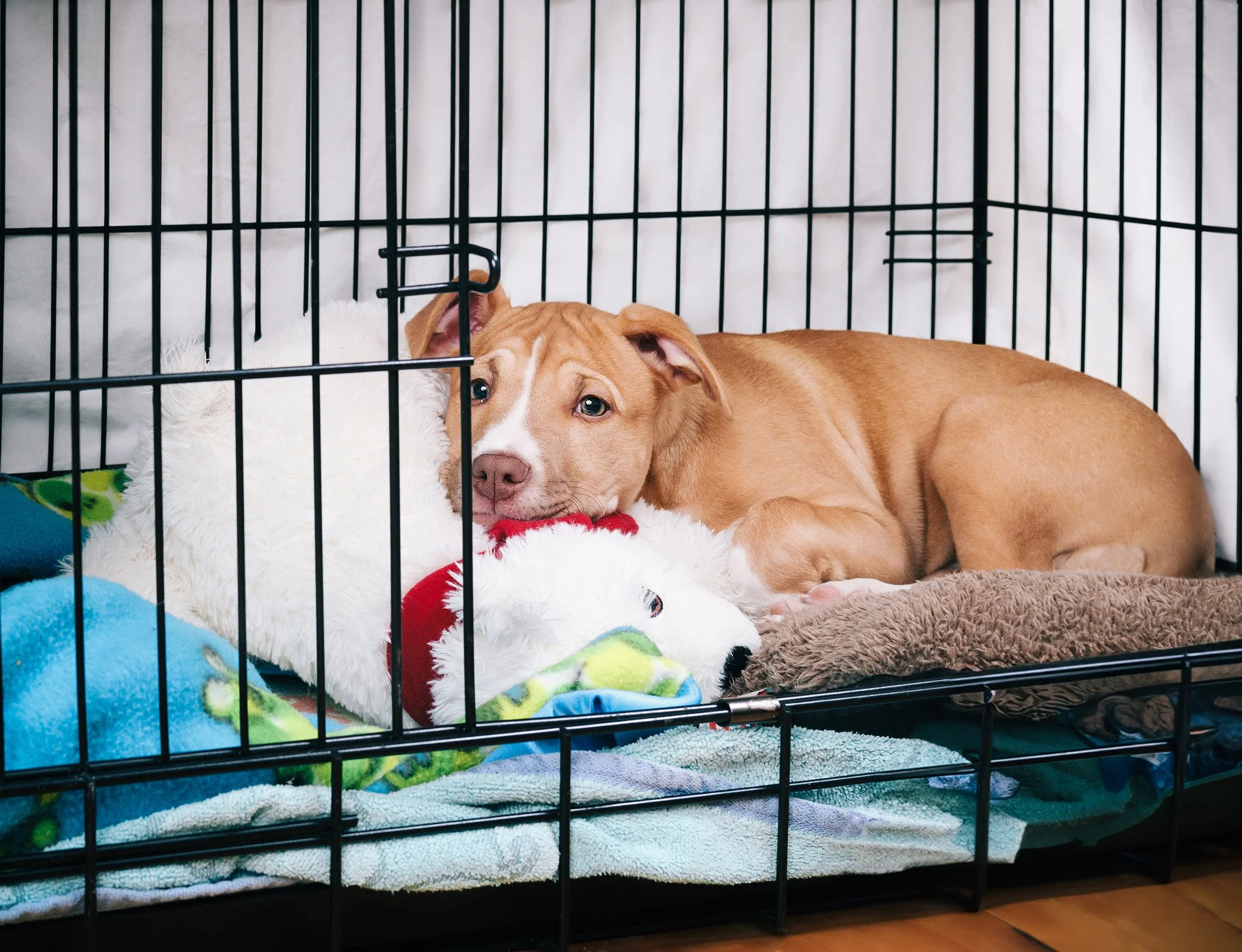
Crate Training in Chicago
A stress-free approach for the urban dog parent
Crate training gets a bad reputation.
Usually because people have only seen it done one way. Rushed. Stressful. Or treated like a rule instead of a helpful tool.
When it’s done thoughtfully, crate training isn’t about confinement. It’s about helping dogs feel safe resting, settling, and spending time alone without everything feeling like a big deal.
This page is for people who want crate training to feel doable, flexible, and supportive — not rigid or intense.
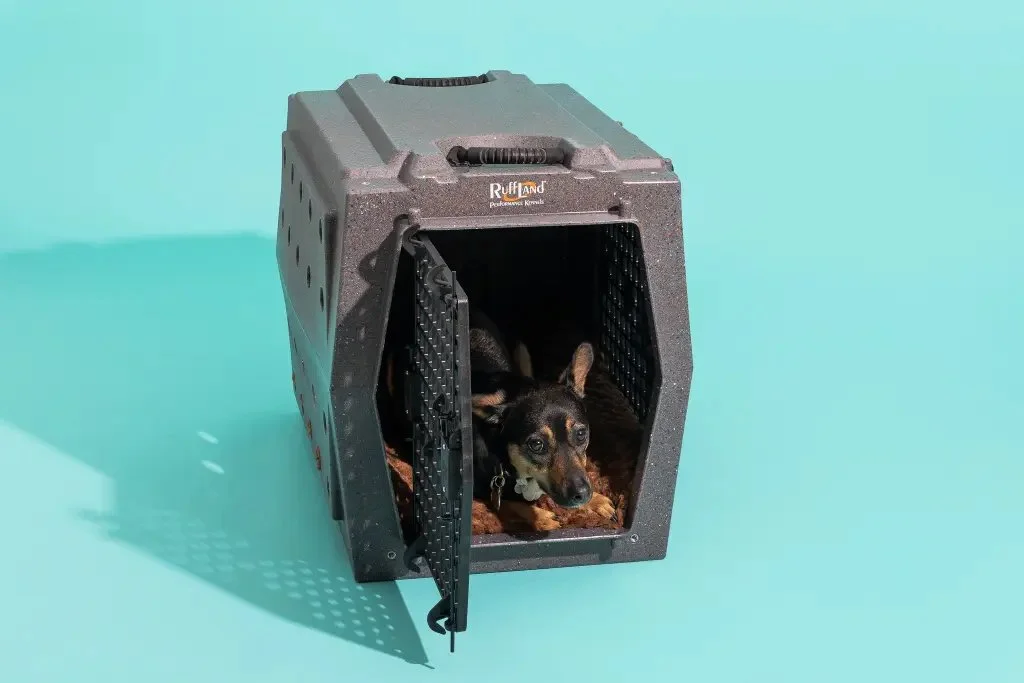
Helping Dogs Understand the Crate First
Crate training works best when dogs understand what the crate means.
We don’t want dogs to feel like they’re stuck in there, but instead, this is where you can shut your brain off and relax. That understanding comes from consistency, pacing, and positive experiences, not from forcing things to happen faster than a dog is ready for.
Training focuses on helping dogs feel comfortable choosing the crate, settling once inside, and staying calm for reasonable periods of time. Everything is adjusted based on the dog in front of us — their age, history, and how crate time fits into your actual life.
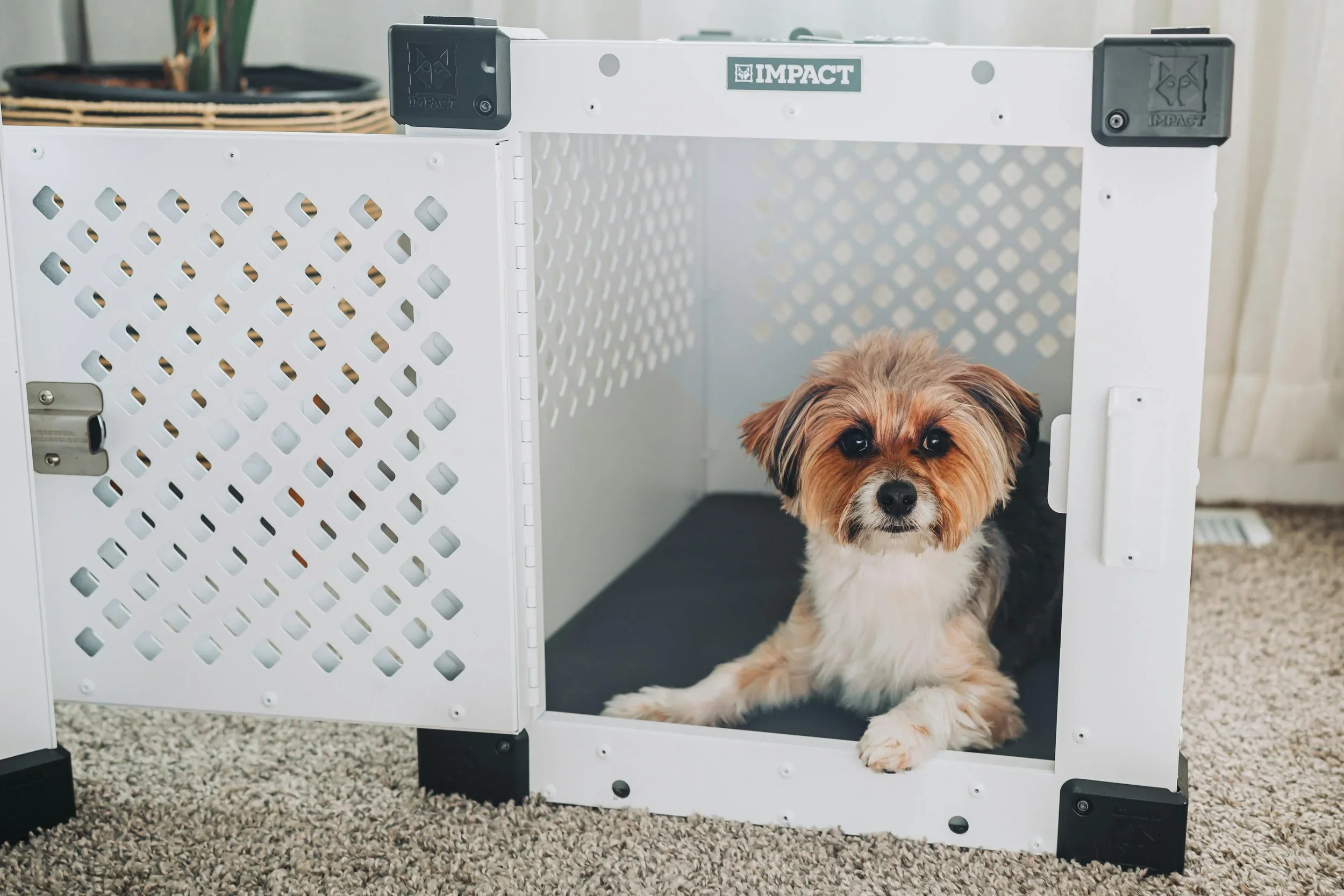
What Crate Training Helps With
Most people don’t come to crate training because they’re chasing perfection. They come because something feels harder than it should. Used thoughtfully, the crate becomes part of the rhythm of the day — not something dogs fight or fear.
🌙
Encourages Calm and Settling
Teaches dogs how to pause, rest, and relax instead of staying constantly “on,” which is a skill many dogs struggle with.
⏰
Supports Potty Training
Helps dogs build bladder control and clearer routines, making it easier to recognize when it’s time to go out — especially for puppies and newly adopted dogs.
🛡️
Creates Safety & Structure
Gives dogs a secure space when they can’t be supervised, reducing risky chewing, scavenging, or getting into things they shouldn’t.
🏡
Builds Comfort With Alone Time
Supports confidence during short periods of separation by making time alone feel predictable and manageable.
🦴
Helps Prevent Destructive Behavior
For dogs who chew, shred, or get into unsafe things when left unsupervised, the crate provides a safe alternative to free roaming until they’re ready for more independence.
🔁
Makes Transitions Easier
Helps dogs handle changes in routine (guests, busy evenings, travel, or recovery time) with less stress.
Crate Training Isn’t One-Size-Fits-All
What crate training looks like depends a lot on who your dog is and where they’re starting.
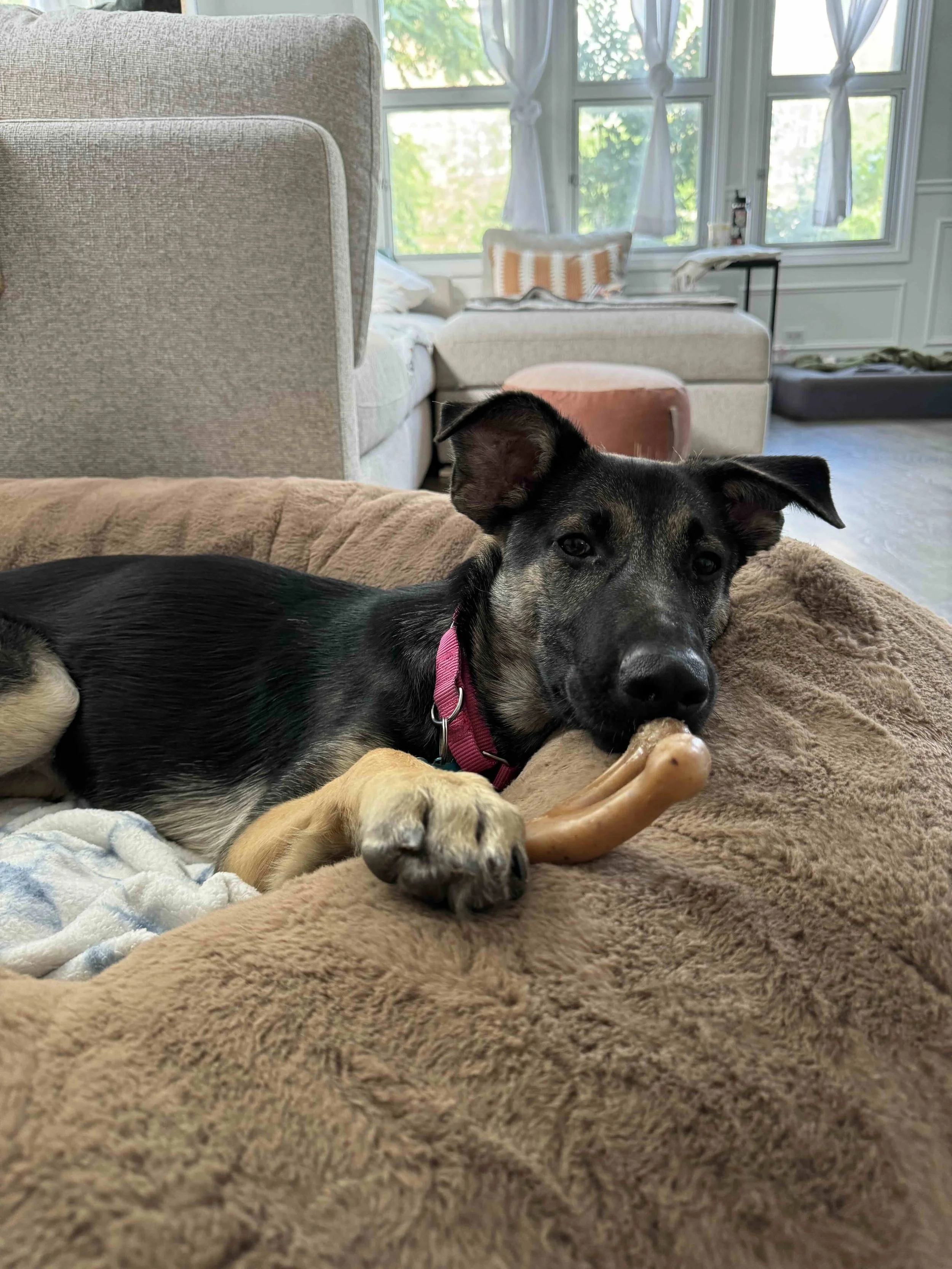
Puppies
Puppies often use the crate as part of learning routines — naps, bedtime, and short breaks between activity.
The focus is on keeping things positive and predictable.

Adult Dogs
For adult dogs, crate training often supports settling, structure, and safer alone time.
This is especially helpful for dogs who aren’t ready to free roam or who struggle to fully relax on their own.

Rescue Dogs
Rescue dogs benefit from crate training that emphasizes predictability and choice.
The crate becomes a calm place to decompress while they adjust to a new home, routine, and expectations.
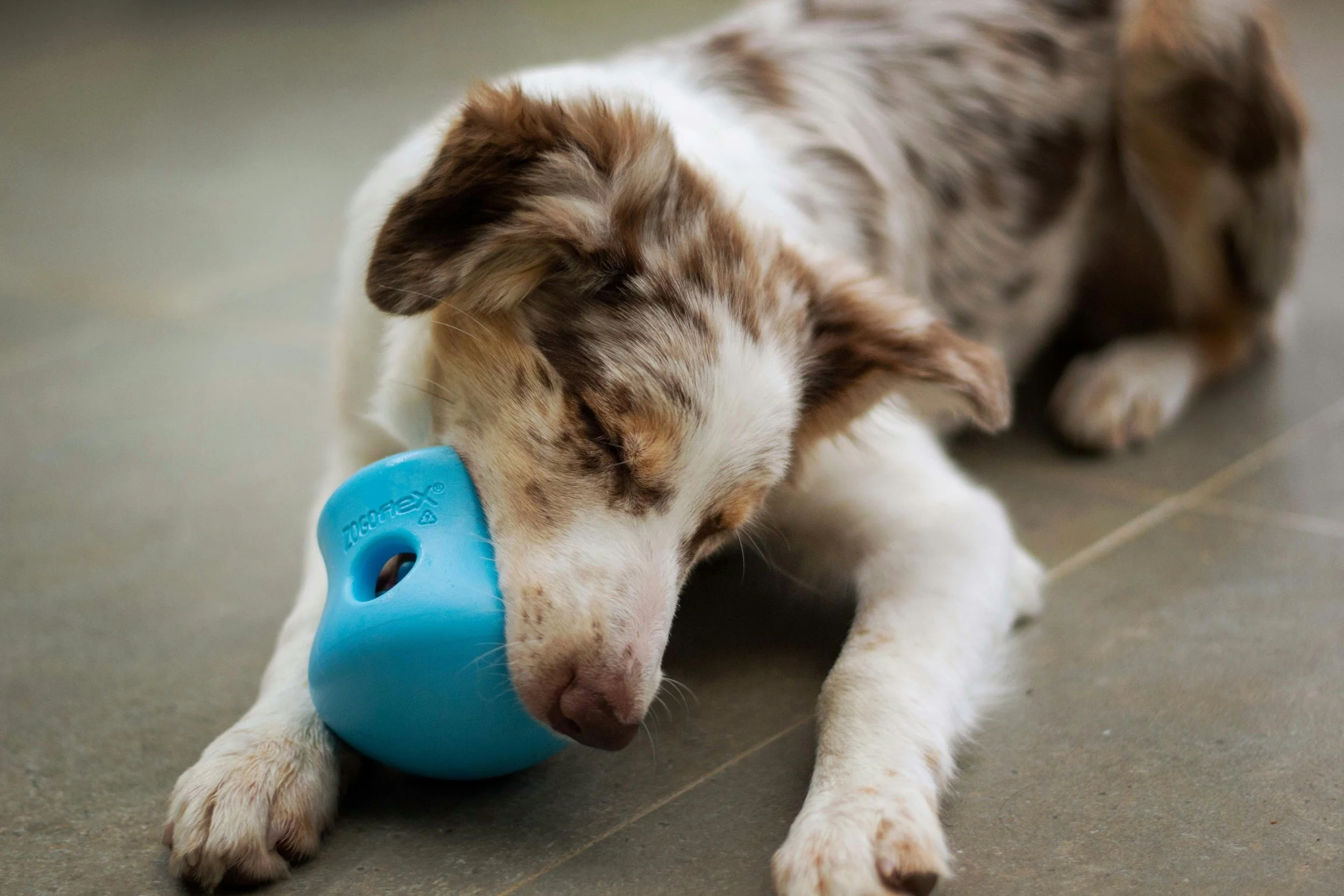
Dogs With Separation Anxiety
Crate training for dogs with separation anxiety is approached carefully and thoughtfully. The goal is never to push alone time, but to support comfort, predictability, and settling as part of a broader plan.
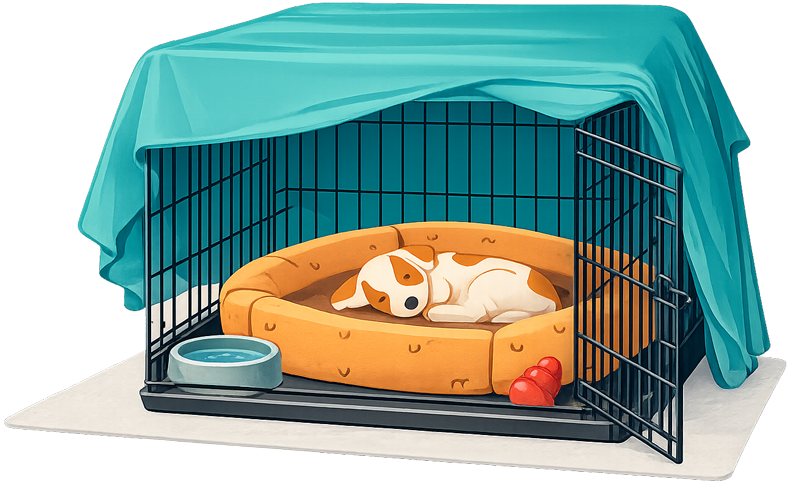
Setting Up the Crate for Success
Crate training isn’t just about what happens once the door is closed — it starts with how the crate is set up and introduced.
A good setup helps dogs feel safe, comfortable, and clear on what the crate is for. A rushed or awkward setup can make everything harder than it needs to be
The right crate setup makes a big difference..
1.
Location matters
The crate should live where your dog already spends time — not isolated or tucked away. This helps the crate feel like part of daily life, not something separate or stressful.
2.
Size and comfort
The crate should be large enough for your dog to stand up, turn around, and lie down comfortably. Too much extra space can make it harder for dogs to settle.
3.
Door open, pressure off
Early on, the crate door stays open. Dogs should be able to explore, step in and out, and build comfort without being closed in right away.
4.
Calm associations
Soft bedding, familiar smells, and quiet activities help the crate feel predictable. This isn’t about excitement — it’s about ease.

How Crate Training Is Introduced
Crate training works best when it’s gradual and paired with positive experiences. Dogs learn what the crate means over time, not in one session.
Training focuses on:
building positive associations with food, rest, and calm activities
keeping early crate time short and successful
avoiding forcing dogs into the crate
increasing duration only when the dog is comfortable
Training avoids:
the “cry it out” methods
ignoring signs of distress
using the crate as punishment
If a dog is showing signs of panic or ongoing stress, crate training alone may not be the right place to start.
Getting Started with Crate Training in Chicago
Crate training is offered as part of private, one-on-one sessions throughout Chicago. We’ll look at your dog’s behavior, your schedule, and what you want daily life to feel like, then build a plan that supports comfort, clarity, and progress without pressure.

Crate Training FAQs
-
Yes, when it’s done thoughtfully. Crate training should help dogs feel comfortable and settled, not trapped or stressed. The goal is for the crate to feel predictable and supportive, not forced.
-
There’s no set timeline. Some dogs feel comfortable quickly, while others need more gradual progress. Age, past experiences, and daily routines all play a role. Training moves at the dog’s pace.
-
A short amount of barking and crying is normal, but if it extends past that, that’s a sign something needs adjusting — not something to ignore. Barking can come from stress, frustration, or confusion.
Crate training focuses on setup, pacing, and settling skills rather than pushing through noise.
-
Yep — the starting point is usually different.
Puppies are learning routines for the first time, while adult dogs may be working through past experiences or habits. Training is adjusted based on age, history, and what your dog needs right now.
-
It can be helpful, but only if approached carefully.
Crate training can support predictability and rest, but it’s not a fix for anxiety on its own. If a dog is showing signs of panic, the plan slows down and adjusts.
-
Crates are meant for appropriate rest periods, not long stretches.
Puppies and adult dogs have different limits, and crate time should always be balanced with exercise, enrichment, and connection.
Blogs You Might Like
Obedience Training in Chicago: What Dogs Need at Different Stages
Not all obedience training works the same way. This guide explains what puppies and adult dogs need at different stages, and why training should change as life gets busier in Chicago.

Crate Training Your Chicago Dog: Step-by-Step Guide for Apartments
Crate training is one of the best tools for helping Chicago dogs feel safe and calm at home — especially in apartments. Here’s my step-by-step guide to building a positive crate routine that works for both you and your neighbors.
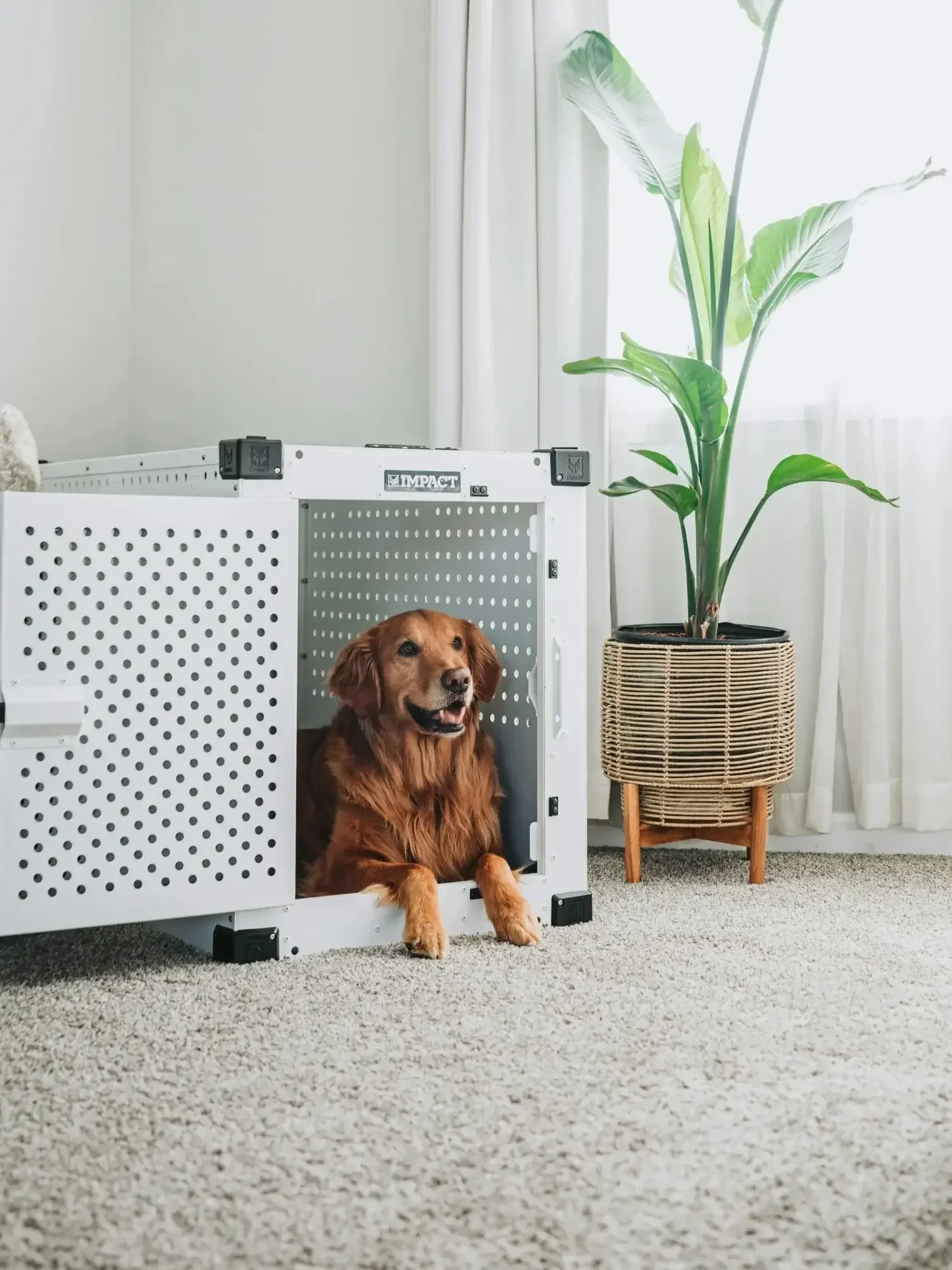
Dog Training in High-Rises: Solving Elevator and Hallway Challenges
Learn how to how to handle elevator rides, narrow hallways, and surprise encounters.