
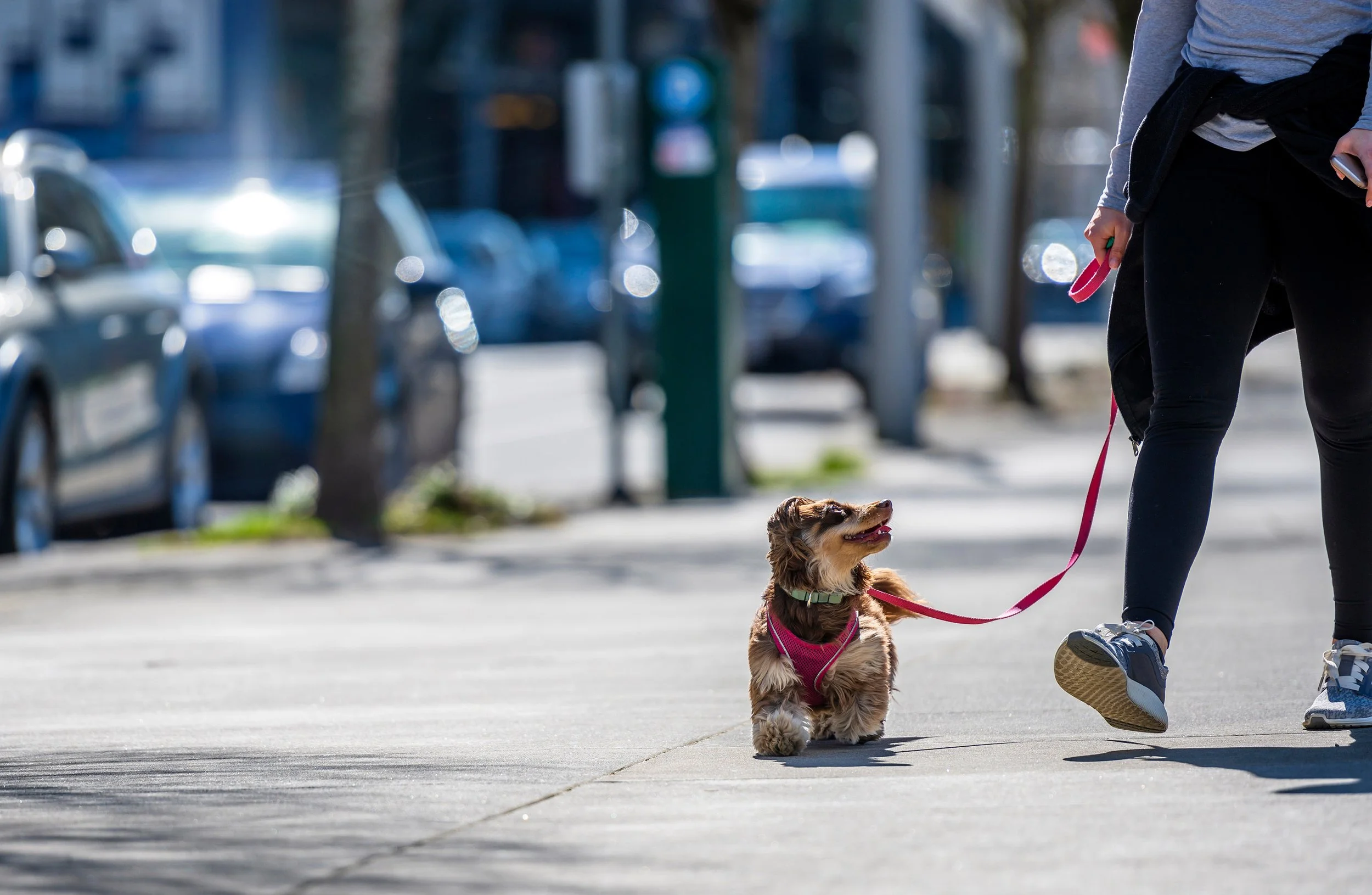
Private Dog Training in Chicago
One-on-one training for you and your dog, with time to slow down, ask questions, and build skills that stick for the long run.
A different way to work together
Private training is one-on-one time with a trainer, focused on what you and your dog need help with right now. There’s room to talk things through, adjust as you go, and spend time on the stuff that matters most to you.
Some people come in with a specific goal. Others just know something feels harder than it should. Both are totally normal starting points!
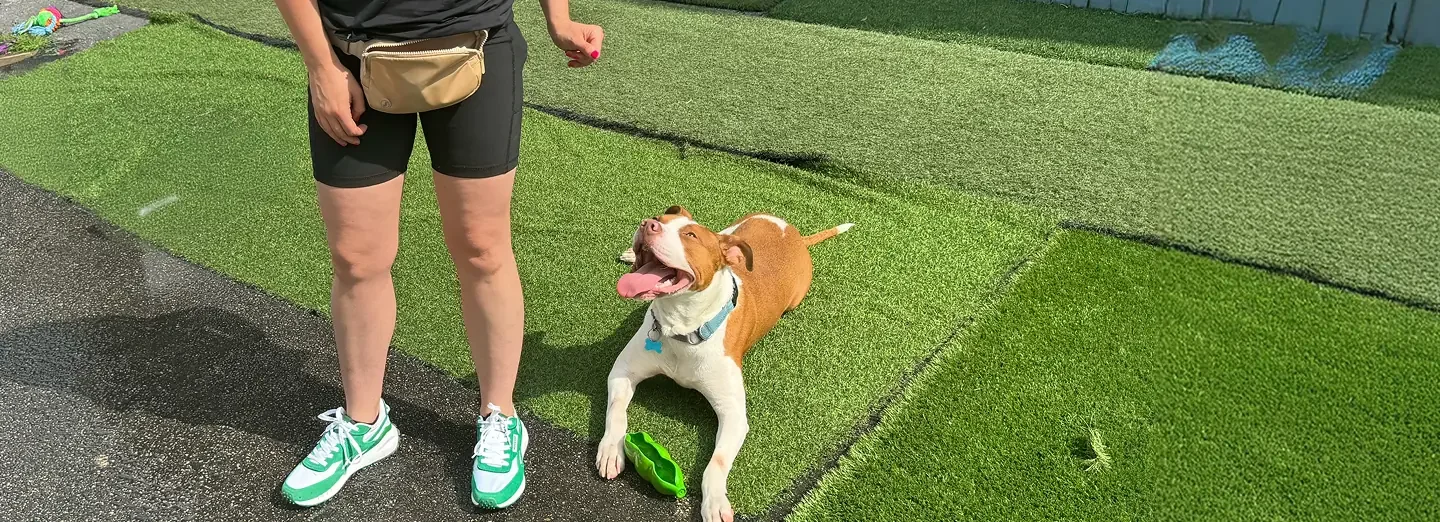
The benefits of private training sessions
Private training works well when you want flexibility, individual attention, and a setup that can adapt to your dog instead of forcing them into a class structure.
People often choose private sessions because they want:
Focused time without group distractions
Space to ask questions as they come up
Training that can slow down or move faster as needed
Clear guidance to work on between sessions
Support outside of scheduled sessions
Private training is also the safest and most appropriate option for dogs who struggle around other dogs or people.
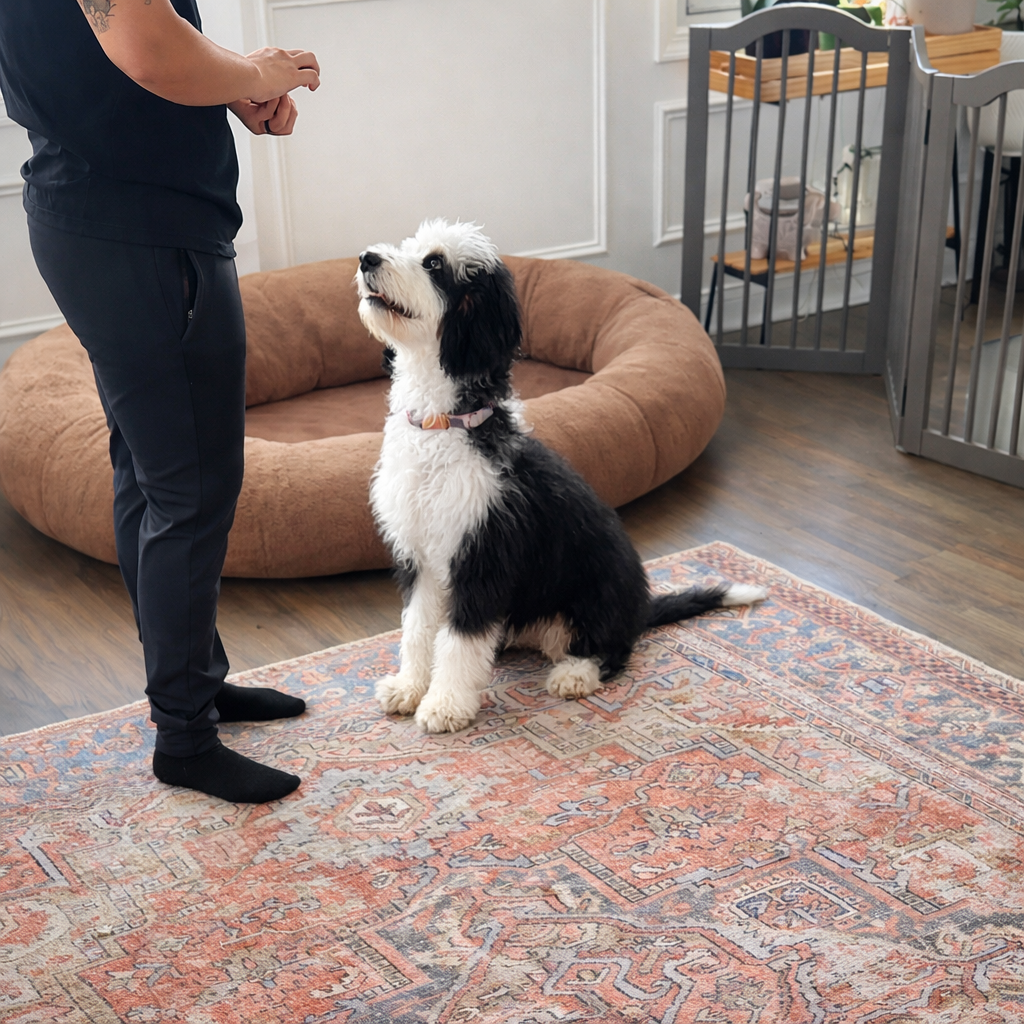
What we can work on
Private training is flexible and can support a wide range of goals, including:
Puppy foundations like potty training, crate comfort, and settling
Leash skills and walking routines
Household manners (jumping, mouthiness, impulse stuff)
Building focus and engagement outside
Reactivity to dogs, people, bikes, or movement
Fear, guarding, or aggression support, with safety as the priority
Multi-dog household routines and dynamics
Most dogs don’t fit neatly into just one category. Come for one thing, or a few—I got you.
Where sessions take place
Private training doesn’t have to happen in just one setting. We choose locations based on what supports learning best.
Sessions can take place:
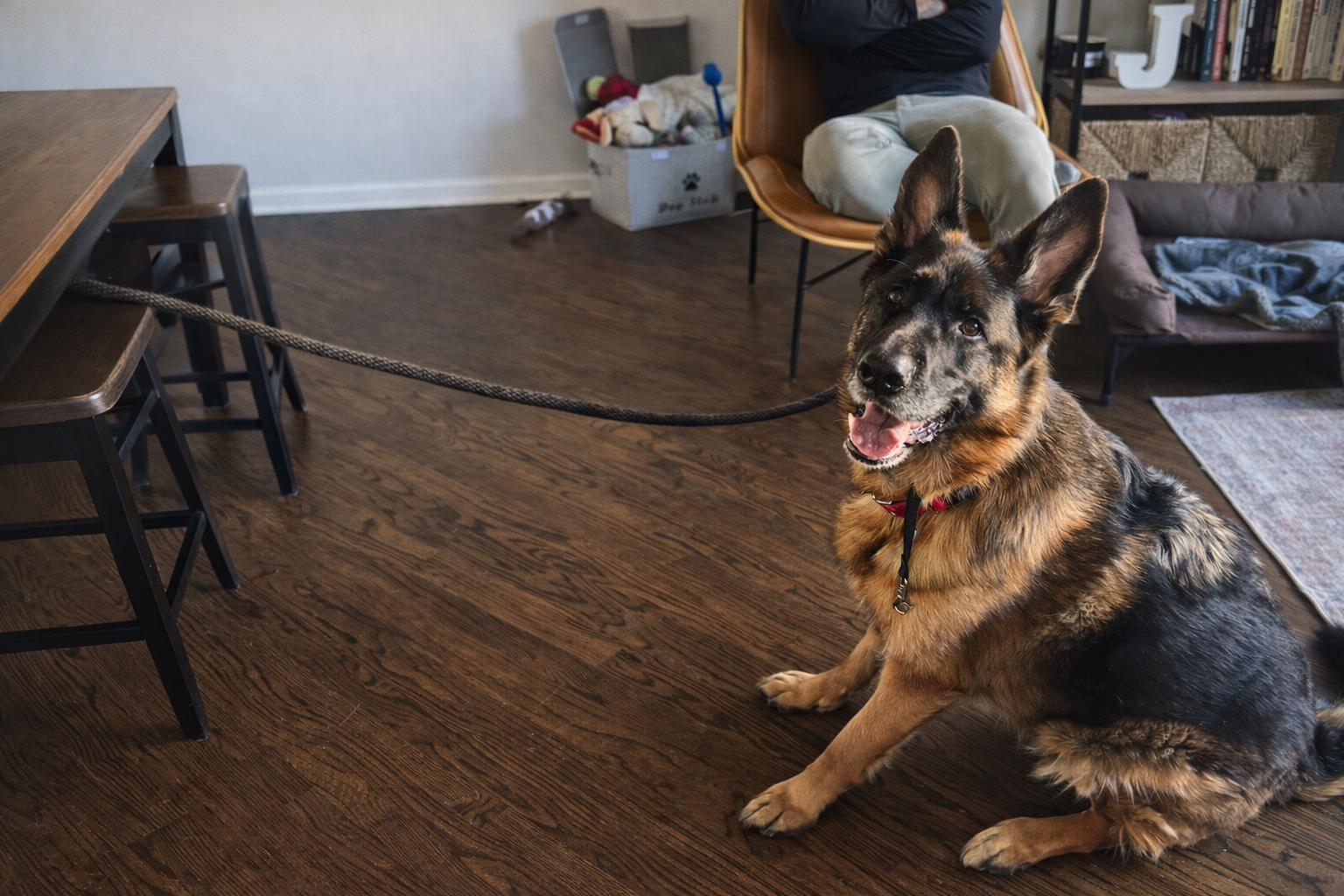
In your home and neighborhood
At the Copilot Dog Training facility in Avondale
The Avondale space is especially helpful for dogs who need more room, clearer setups, or extra management.
It allows for controlled environments, thoughtful spacing, and access to equipment that isn’t always practical at home. It’s also a convenient option if you’d rather meet somewhere instead of hosting sessions in your space.
What sessions are like
How Training Works
All training is one-on-one and customized for your dog, your routines, and your goals.
1.
We start with what you want help with
We talk through what’s going on and what you’d like to feel different. Sometimes it’s one specific issue allowing space to go deeper. Other times it’s a few smaller things that are connected.
2.
We build skills in a way your dog can understand
Training uses simple setups, repetition, and reinforcement so learning feels clear and manageable, not overwhelming.
3.
You get support between sessions
After each session, you’ll receive notes that recap what we worked on and what to focus on next. And when questions come up between sessions, you can reach out.
Private training vs. group classes
Leash Training FAQs
-
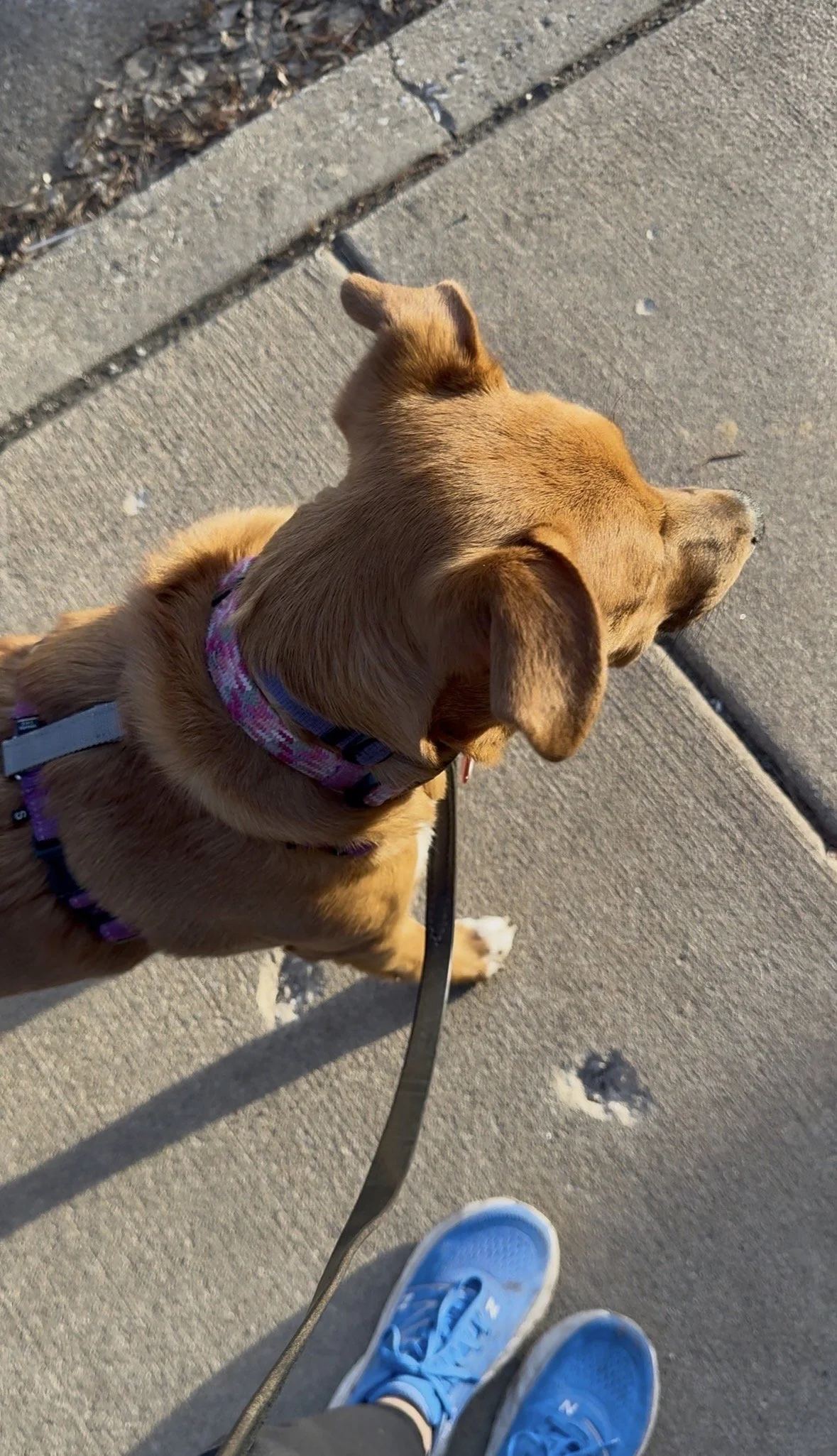
Leash training can help with pulling, reactivity, freezing, overstimulation, or difficulty staying engaged on walks. The focus is on communication and comfort rather than strict positioning.
-
Yes! Leash training often overlaps with reactivity work by focusing on regulation, disengagement, and helping dogs move through their environment with less stress.
-
Typically, a front clip harness or a gentle leader are recommended for leash pulling, but equipment recommendations depend on the dog and the situation.
That said, I don’t use prong collars or e-collars.
Training focuses on building skills and habits rather than relying on tools alone.
-
The number of sessions depends on the dog, the challenges involved, and how long the behavior has been in place. Some dogs benefit from short-term support, while others need a longer runway.
Good dogs with good reviews
-
![Chihuahua working on confidence building in Lincoln Park]()
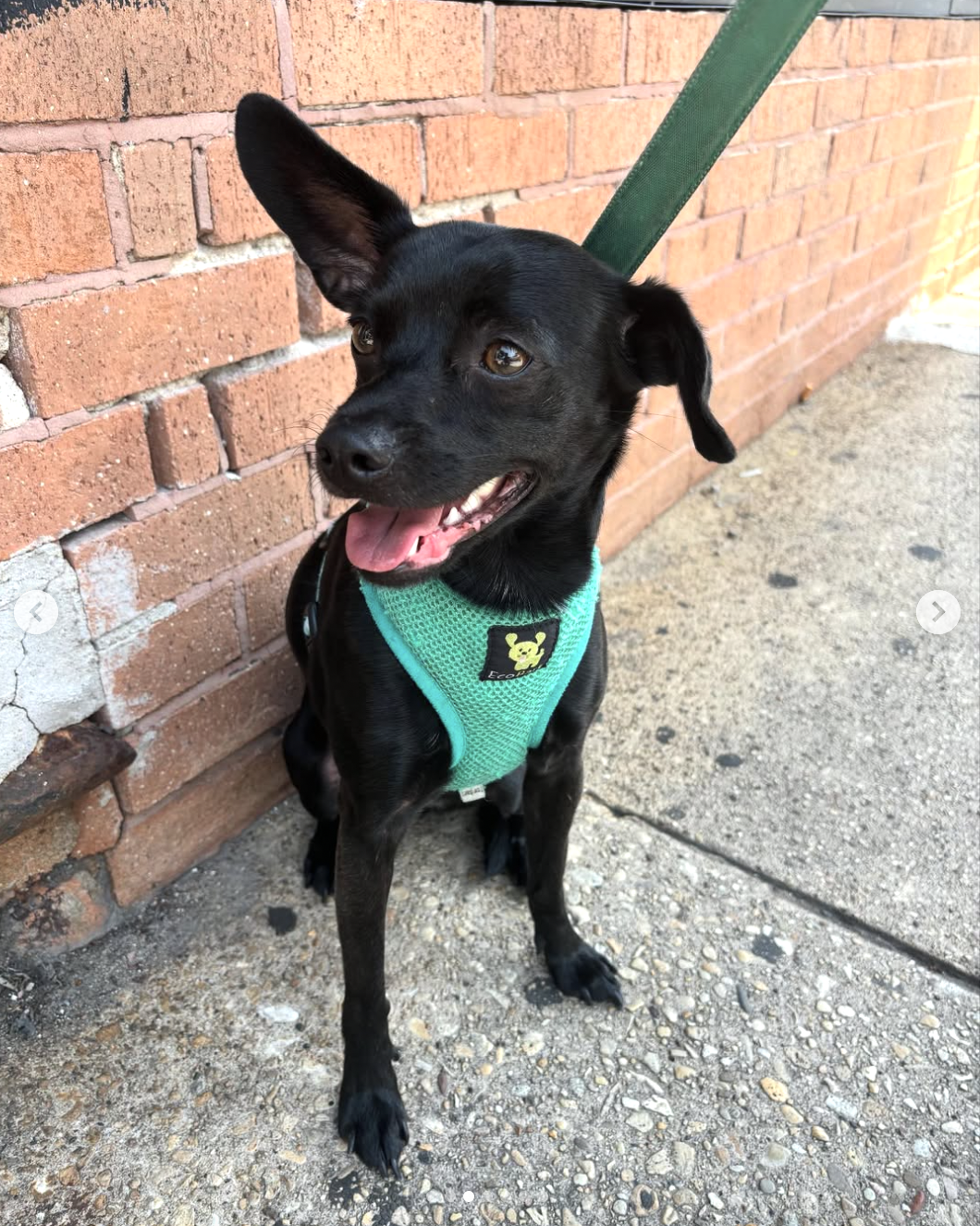
Hailey is so passionate about helping owners and their pets and she is so sweet and patient. She’s helped build confidence in my anxious little baby, and, even though she’s afraid of most people, my dog lovesss Hailey.
Megan Montgomery
-
![Mini golden doodle practicing relaxation work]()
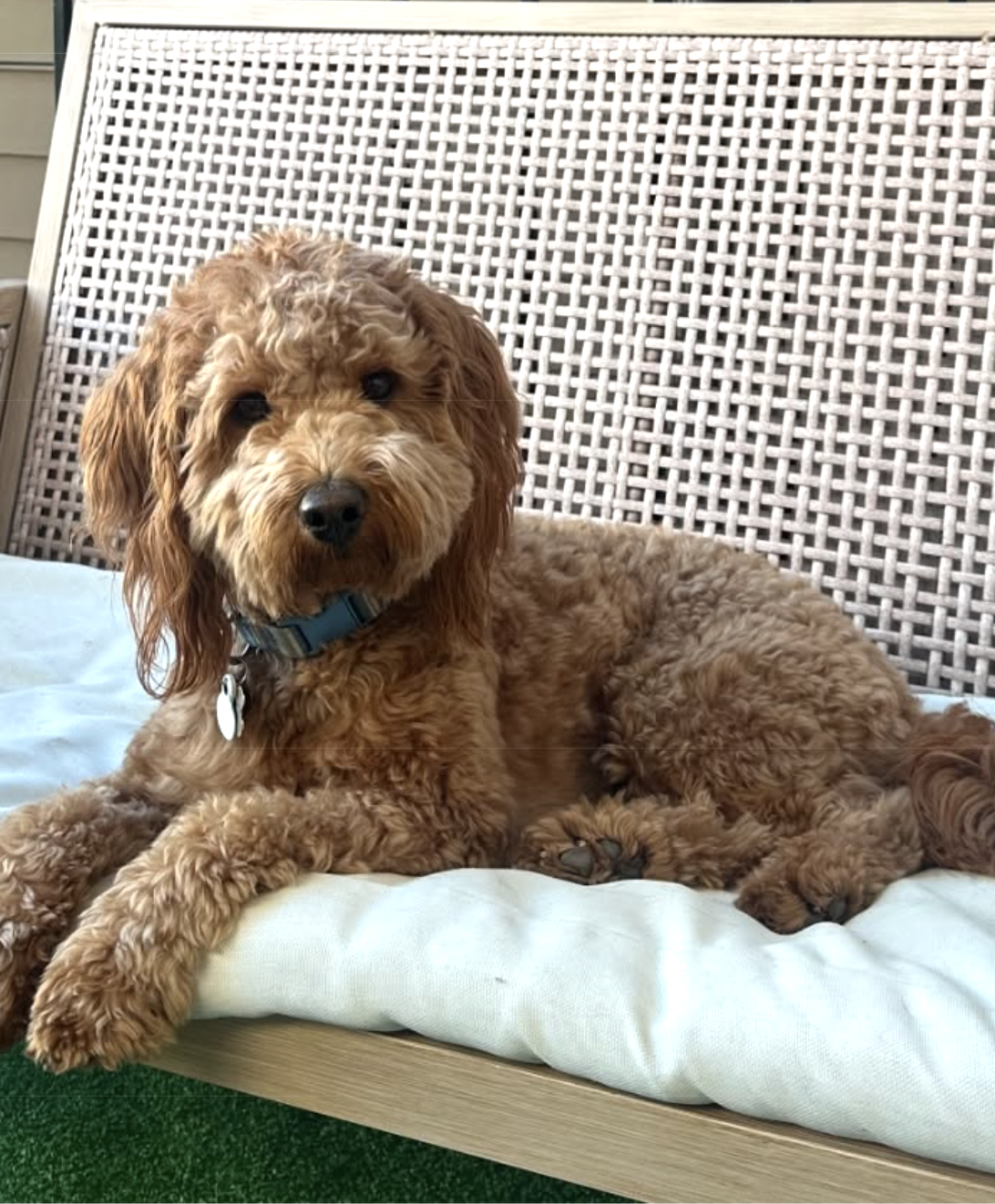
Hailey worked with my mini goldendoodle Murphy, who is the sweetest dog but had some resource guard issues that were starting to get tricky to manage. Hailey was incredibly knowledgeable and patient — not just with my dog but with me, too! I noticed a huge difference after just a few sessions. Thank you so much Hailey!!!!!
Jenna White
-
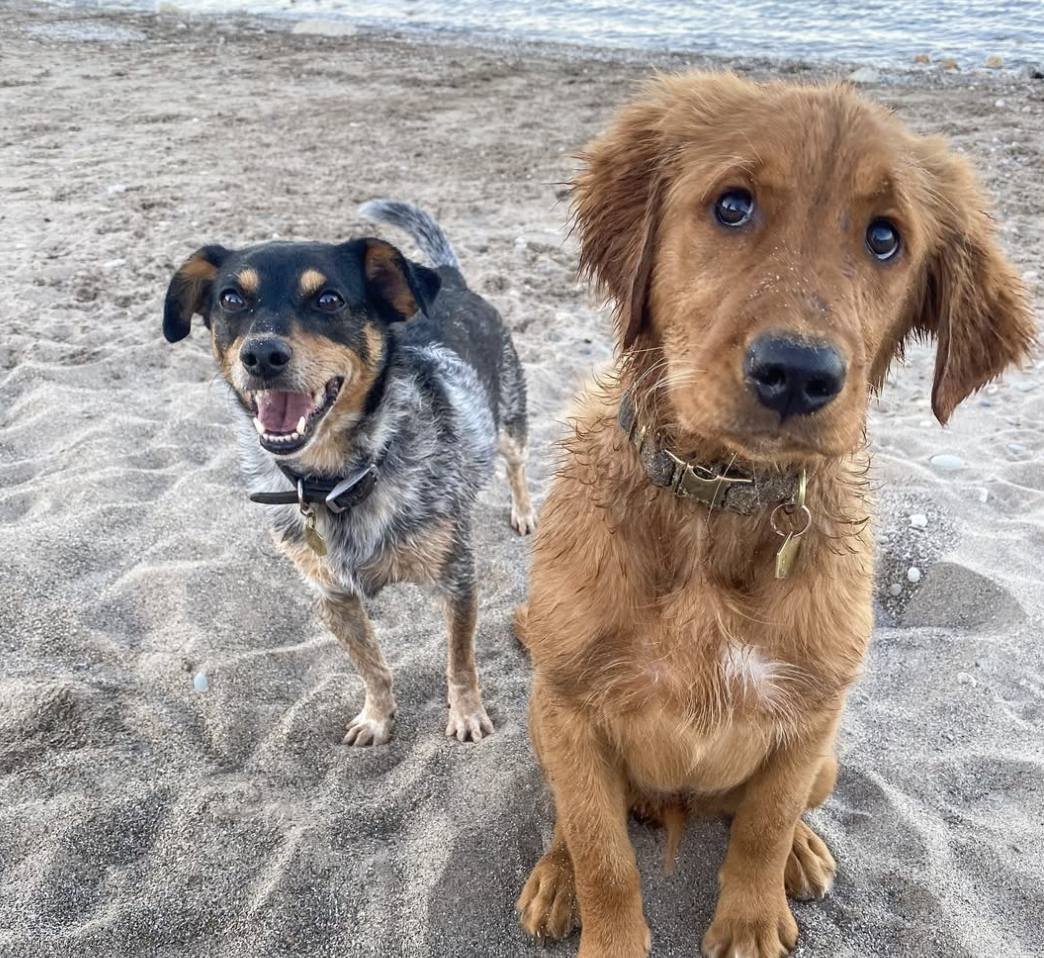
![Two dogs on a sandy beach, one sitting and the other standing, with a shoreline and water in the background.]()
Hailey is an extremely knowledgeable and compassionate dog trainer! Hailey’s best skill is her ability to meet dogs where they are at and then build deep trust to form behavioral changes. She has experience with all levels - eager puppy all the way to fearful, reactive adult.
Sarah Fitzpatrick
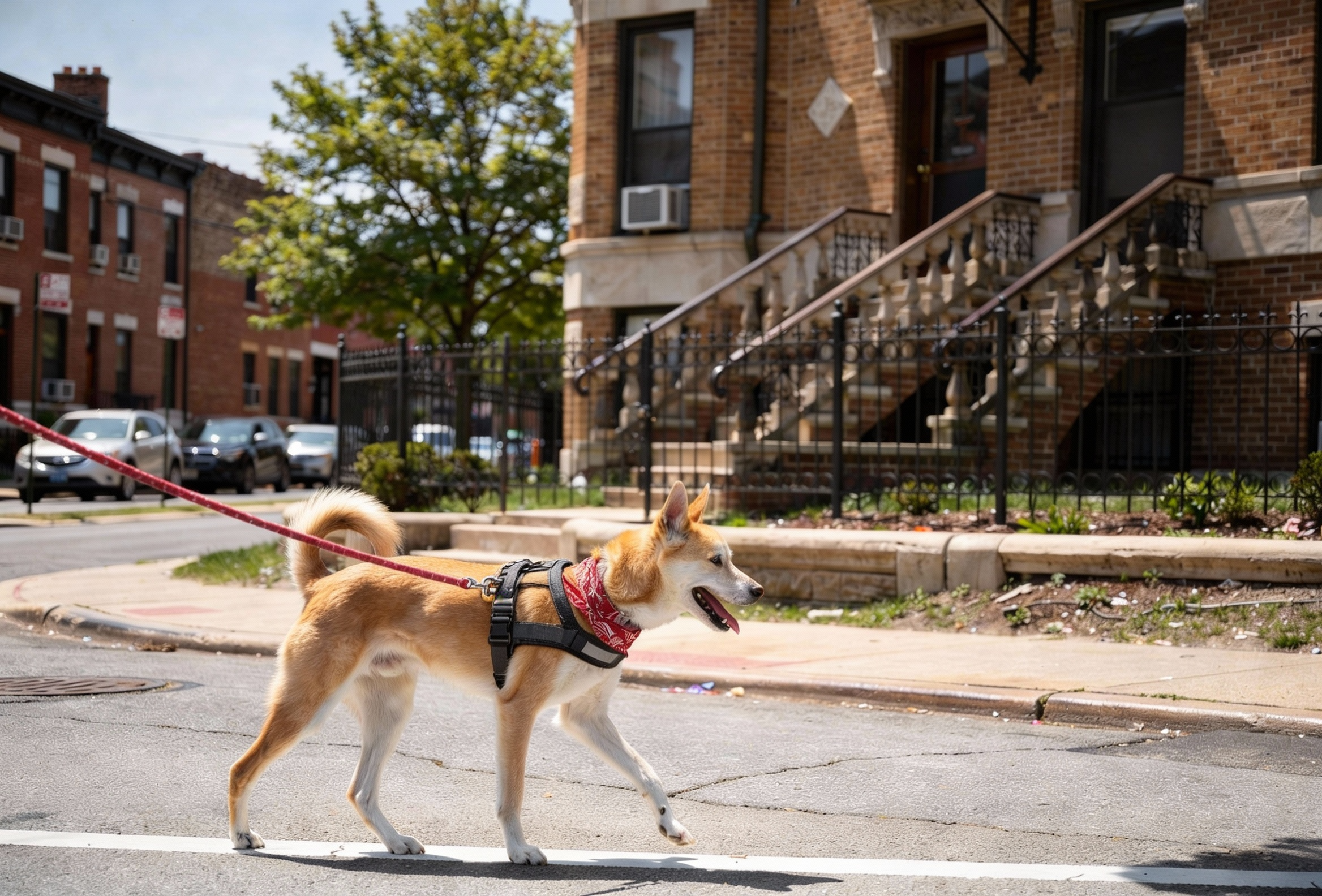
Thinking about leash training for your pup?
If walks feel tense or unpredictable, a short phone consult is an easy way to talk things through and figure out what might help.
Blogs You Might Like
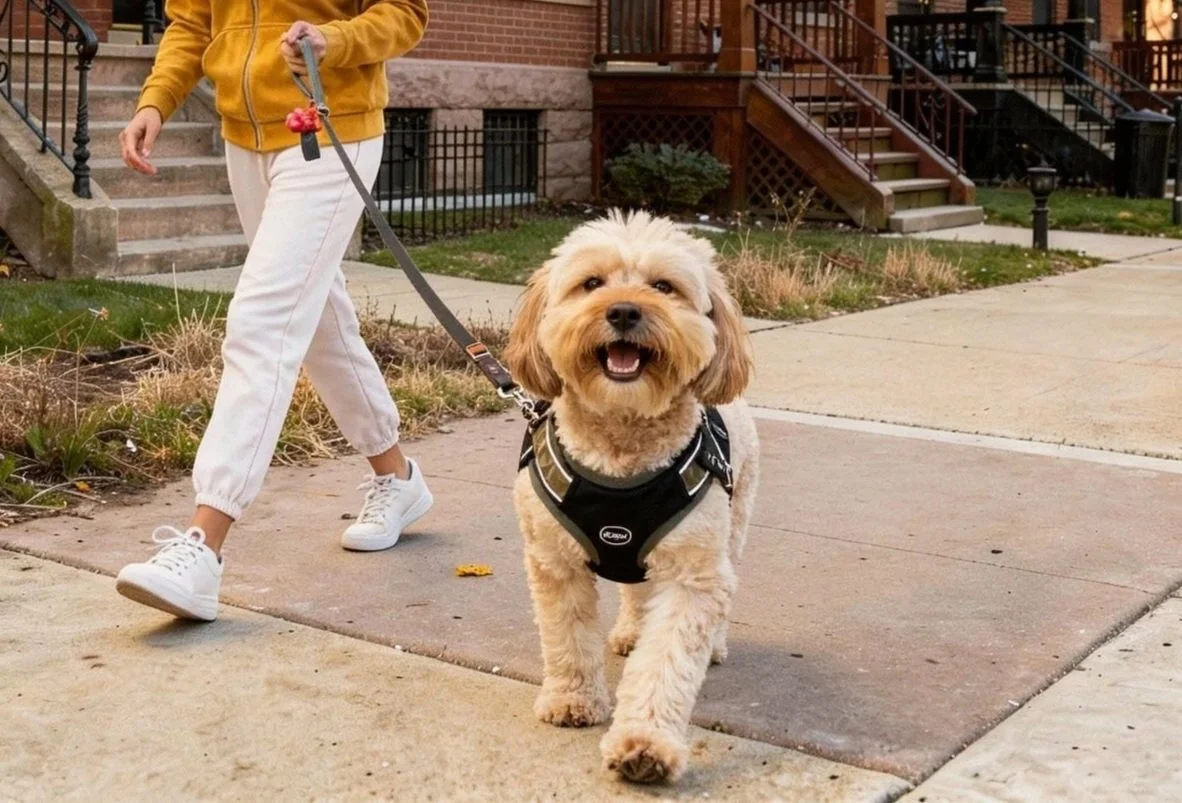
Leash Walking Training in Chicago: From Pulling to Polite Walking
Tired of stressful walks? Learn how leash walking training in Chicago helps dogs who pull, lunge, or struggle on leash—especially in busy environments.
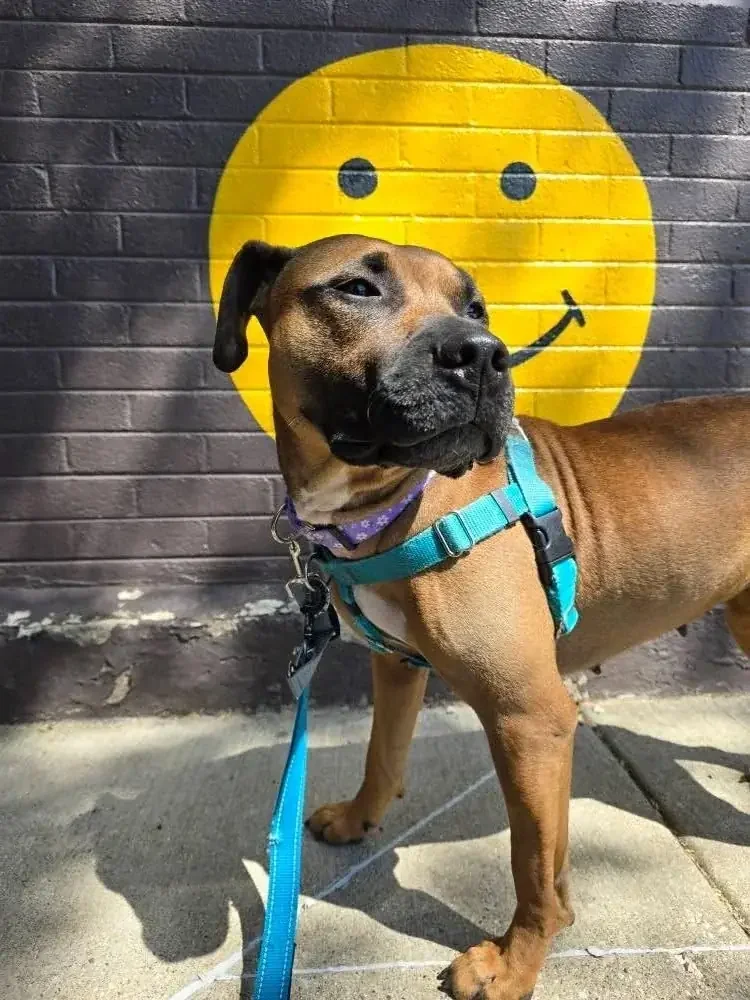
Positive Reinforcement Dog Training Not Working? Here's Why (And What to Do)
When your dogs fight, it can feel like your peaceful home just imploded. Here’s how to move forward safely, step-by-step.
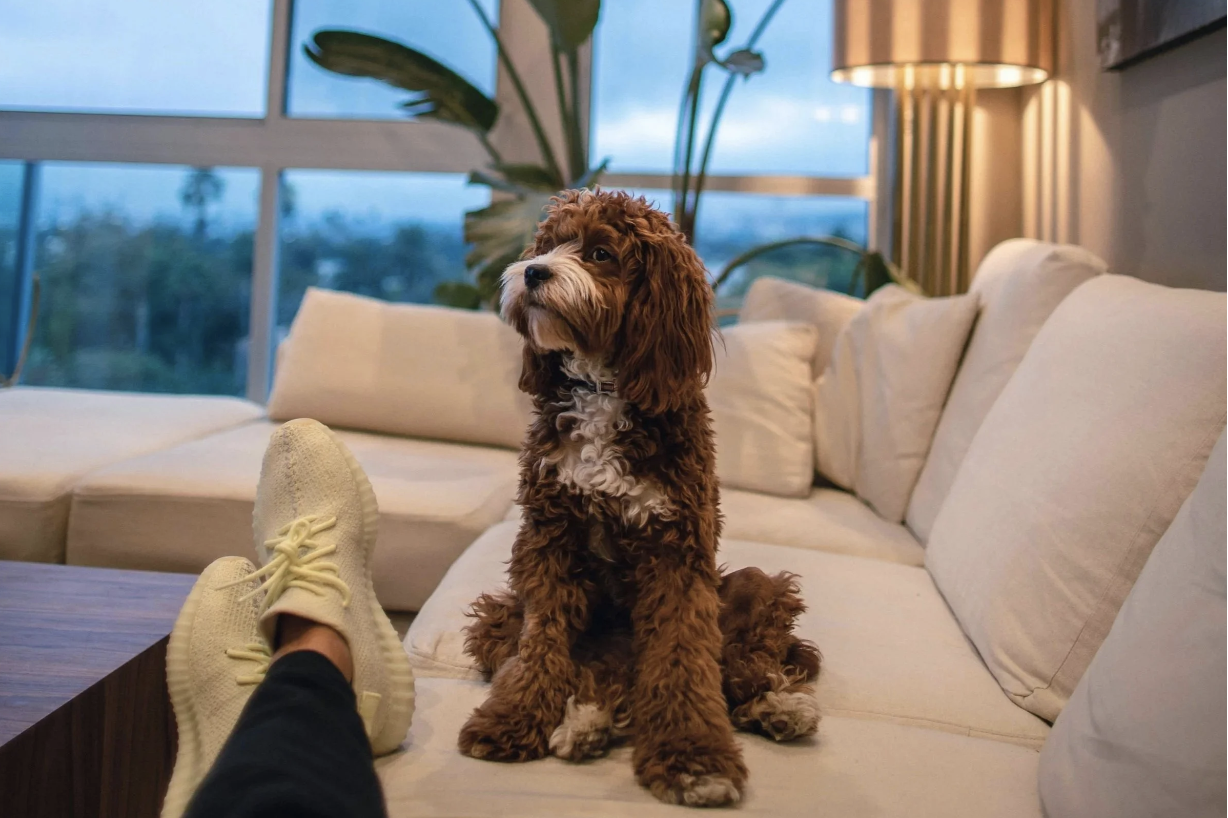
Dog Training in High-Rises: Solving Elevator and Hallway Challenges
Learn how to how to handle elevator rides, narrow hallways, and surprise encounters.